Aluminum–Air Generators for Data Centres Face a Metal Logistics Test
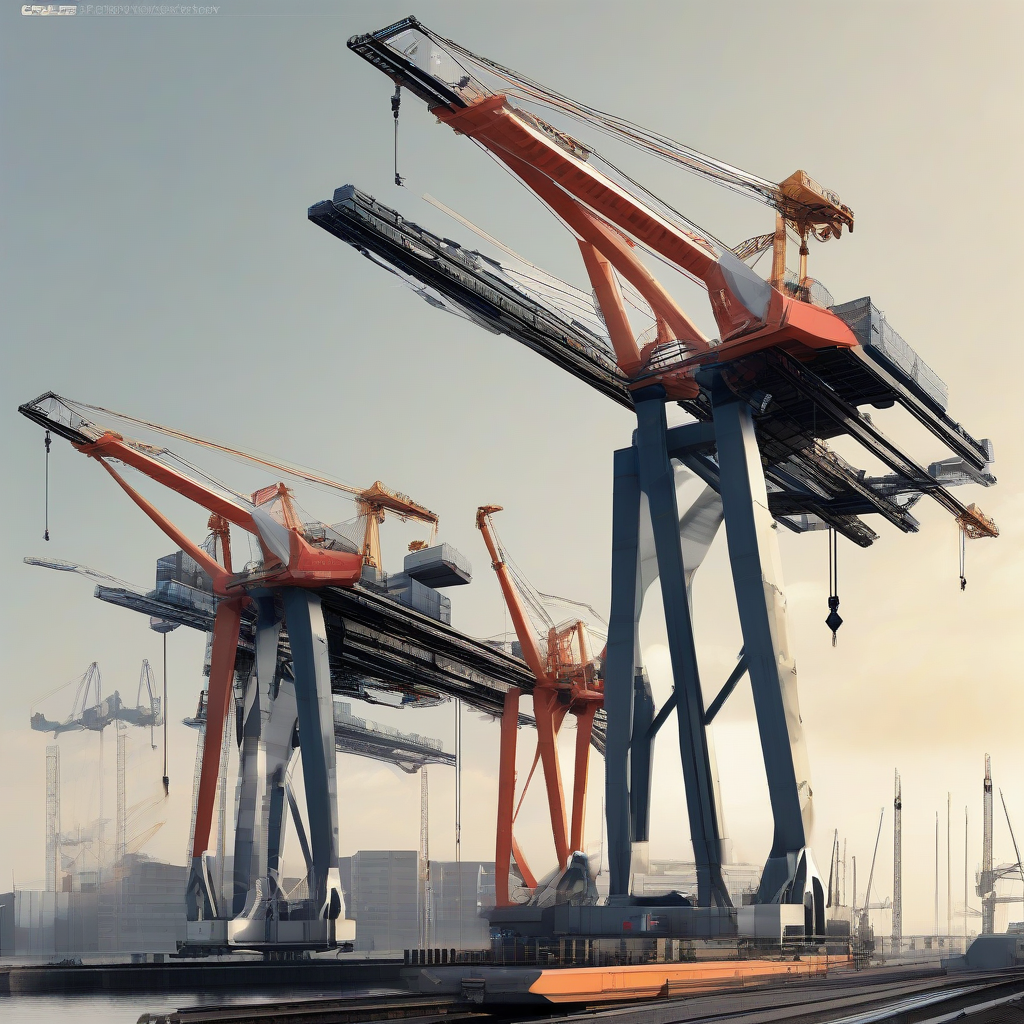
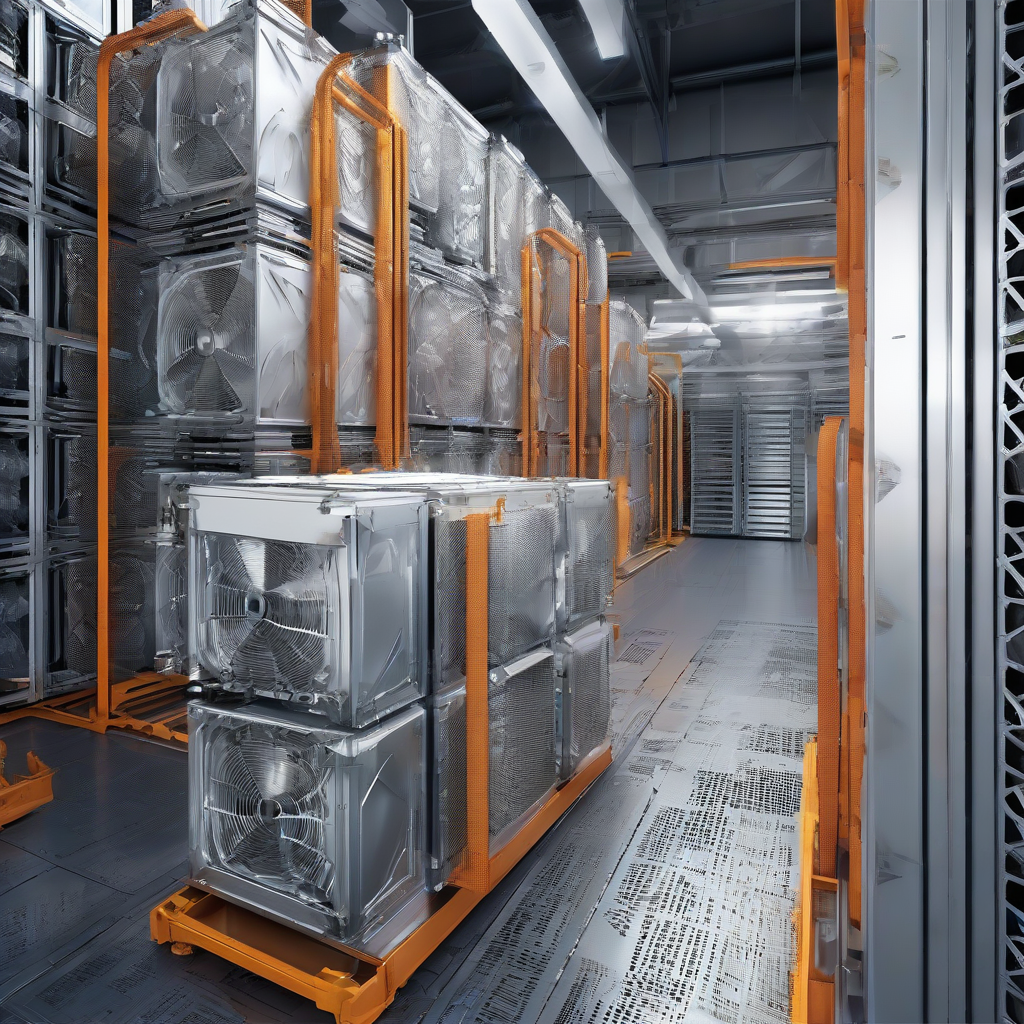
From aluminum-fueled aircraft concepts to AI data centres. Illustration: TFIE Strategy Briefing.
November 3, 202658 seconds
			Michael Barnard

			 0 Comments
California startup Voya Energy announced a $35 million financing round in August 2026 for generators that use prepared scrap aluminum, air and water to produce electricity without combustion. Its immediate opportunity includes replacing diesel backup equipment at data centres, where exhaust, noise and permitting can be genuine obstacles. The company also describes a larger market for firm power at grid-constrained sites, including systems operating around the clock. The electrochemistry is established, but delivering competitive electricity requires a materials supply chain that the generator specifications do not describe.
An aluminum–air cell consumes aluminum. It does not accept electricity through a charging cable and return to its original chemical state. Aluminum reacts with oxygen and water, producing electrical energy and aluminum hydroxide, sometimes called aluminum trihydrate. The generator needs more metal when the fuel is spent, and the hydroxide has to be collected, transported and either sold into another market or processed further. The aluminum brought to a data centre already embodies substantial electricity used earlier to turn aluminum compounds into metal. That upstream energy belongs in the assessment.
I encountered the same supply-chain issues when I examined Wright Electric’s aluminum–air aircraft proposal in 2021. Prepared aluminum would have needed delivery to airports, followed by collection and processing of spent material. Data centres avoid the aircraft weight constraint, while retaining the need for deliveries of prepared fuel and industrial handling of reaction products.
The operating schedule determines the size of that problem. Voya’s August announcement emphasizes diesel replacement while also describing larger, continuously available power installations. To test the larger proposition, I calculated the materials needed for a hypothetical 100 MW data centre supplied continuously by aluminum–air generation. Using the company’s reported 57% conversion efficiency and aluminum’s theoretical electrochemical energy, the system consumes roughly 520 metric tons of metal each day and produces about 1,500 metric tons of aluminum hydroxide. That becomes approximately 190,000 tons of incoming metal and 550,000 tons of outgoing material each year. The additional byproduct mass comes from oxygen and water incorporated in the reaction. These are scenario quantities, not measured operations at a Voya site.
Illustrative metal flows for 100 MW of continuous aluminum–air generation, at the stated 57% conversion efficiency. Not an operating Voya facility or a backup-power duty cycle. An intermittent backup generator could consume orders of magnitude less aluminum annually than the continuous 100 MW case, changing the economics of deliveries and residue handling. Voya’s interest in low-grade contaminated scrap deserves examination, since some metal streams are difficult to sort into high-quality recycled products. Yet scrap is not automatically valueless because it is contaminated. Recycling aluminum into new metallic products uses approximately 95% less energy than making primary metal, and improving scrap recovery is itself an important industrial decarbonization opportunity. Buying that scrap as expendable fuel can compete with other recovery routes as their technology and economics improve.
Voya initially expects to sell aluminum hydroxide and proposes metal regeneration as a longer-term option. Those are different uses for the spent material. A 2026 lifecycle assessment modeled electricity-to-electricity round-trip efficiency of 29–35% for aluminum–air storage pathways involving regeneration. That finding is not a test result for Voya’s equipment, but it indicates how much additional electricity and processing could be needed to close the material loop. A company selling the hydroxide cannot also assume it will recover that same material for fuel without buying it back.
Voya’s published metal-price target leaves limited room for other costs. In a 2025 California Energy Commission submission, the company listed targets below $0.30/kWh for delivered electricity and $0.50 per pound for the metal fuel. At 57% conversion efficiency, the latter implies about $0.24/kWh for aluminum alone, before fuel preparation, generator capital, transport, residue handling or financing. Saleable hydroxide could provide an offset where purity, processing costs and buyers support it. The generation target remains a target, rather than a demonstrated commercial tariff.
There may be worthwhile applications for compact, noncombustion backup power where diesel is hard to permit and suitable scrap is readily available. Continuous power for large AI facilities calls for a much larger comparison with grid connections, generation and rechargeable batteries. The chemistry works, but the economics must account for every load of metal delivered, every load of residue removed and the electricity consumed upstream.
My TFIE Strategy Briefing assessment follows the aluminum through the generator, the possible recycling and regeneration routes, Voya’s cost targets and the very different material demands of backup and continuous generation.
Share this story!
			Share on LinkedIn (Opens in new window)
			LinkedIn

			Share on WhatsApp (Opens in new window)
			WhatsApp

			Share on Facebook (Opens in new window)
			Facebook

			Share on Bluesky (Opens in new window)
			Bluesky

			Email a link to a friend (Opens in new window)
			Email

			Share on Reddit (Opens in new window)
			Reddit
Source: https://cleantechnica.com/2026/11/03/aluminum-air-data-centres-metal-logistics/