Antwerp’s Electric Cranes Can Handle More Than Today’s Cargo
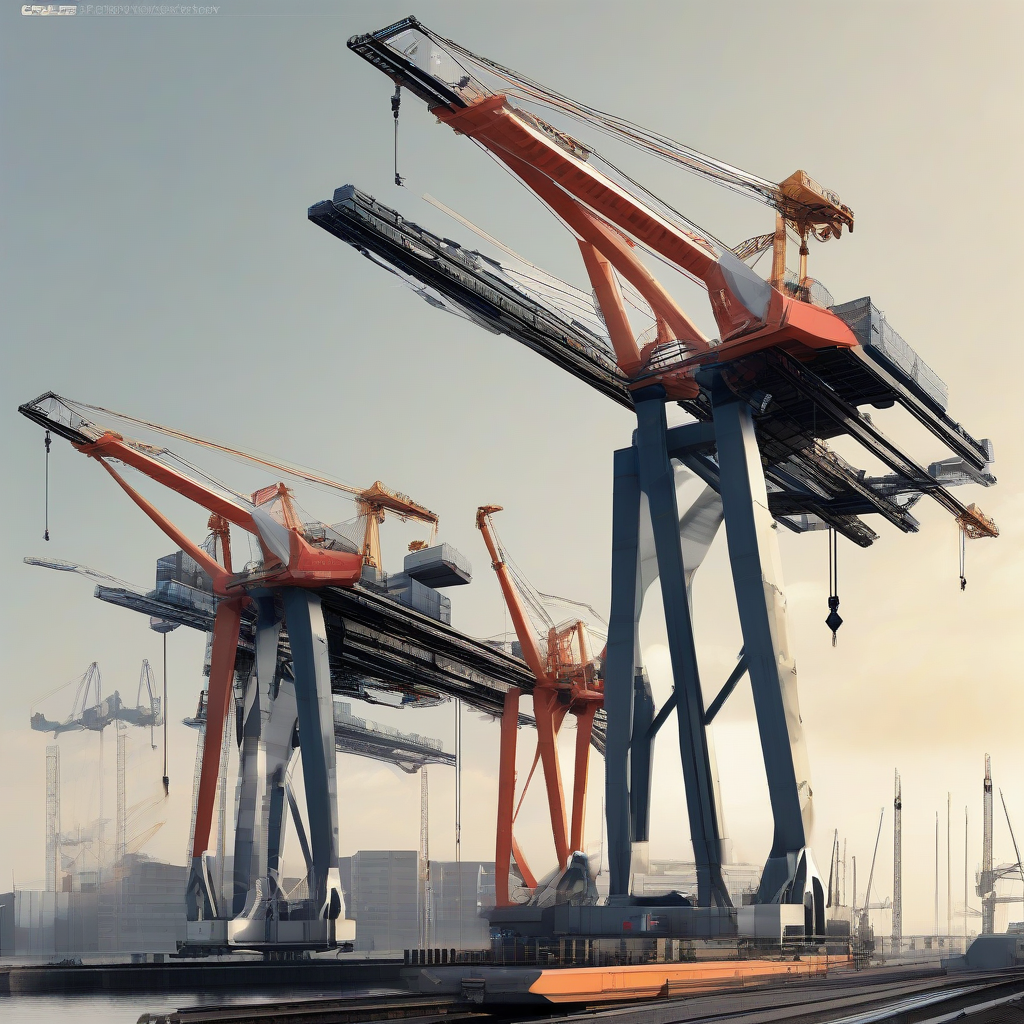
Electric mobile harbour cranes can handle a changing cargo mix. Illustration: TFIE Strategy Briefing.
October 31, 202655 seconds
			Michael Barnard

			 0 Comments
Katoen Natie has put two all-electric mobile harbour cranes into service at the Port of Antwerp, with four more joining them across three deep-sea multipurpose terminals. The completed fleet will include four 200-tonne cranes and two 150-tonne machines, with paired lifting capacity reaching 400 tonnes. Katoen Natie expects the six cranes to displace as much as 500,000 litres of diesel annually once they’re operating.
The October commissioning announcement is worth attention because these are heavy, mobile machines working in a commercial port. They aren’t small demonstrations, and the engineering addresses the conditions that historically made mobile harbour cranes difficult to electrify.
Fixed container cranes were straightforward candidates for electrification. They stay in one location, have repetitive operating patterns and can be connected to substantial electrical supplies. Mobile harbour cranes travel along the quay, move between assignments and handle cargo that can vary considerably from one vessel to the next. An onboard diesel generator provided that mobility without requiring the terminal to build electrical connections everywhere the crane might work.
Konecranes’ solution separates the energy needed for lifting from the energy needed for travel. External grid electricity supplies the heavy working loads, while rechargeable batteries allow the cranes to move between operating positions. This avoids carrying an enormous battery for work that can be powered directly from the grid. It also eliminates diesel exhaust at the equipment and reduces local noise.
The bigger advantage is that the investment isn’t tied to one type of cargo. A mobile harbour crane can handle steel, industrial equipment, large transformers, wind components, scrap, project cargo, conventional bulk and containers. Port operators can change their handling arrangements as customers and cargo flows change without replacing the basic lifting machinery.
That matters as the energy transition changes maritime trade. In an earlier CleanTechnica analysis, I examined how ports face rising capital requirements even as fossil-fuel cargoes begin their long-term decline. Coal, oil and gas have supported major investments in berths, terminals, channels and inland connections. Their declining role creates commercial risks for infrastructure designed around individual commodities.
Ports are looking for new business in containers, renewable-energy equipment, industrial products and alternative fuels. Some will succeed, but they cannot all capture the same growth in container traffic, and low-carbon molecules will not replace fossil-fuel cargo tonne for tonne. Equipment investments have to make sense under more than one plausible freight forecast.
Electric mobile cranes are well suited to that uncertainty. A machine capable of lifting a transformer today can handle scrap steel or construction machinery tomorrow. Its electrical supply can also be part of a wider investment supporting yard equipment, trucks, shore power and harbour craft.
That doesn’t make every new crane or grid connection worthwhile. A terminal still needs sufficient durable activity, suitable electrical infrastructure and a sound operating case. But investing in flexible electric equipment is less dependent on predicting which replacement cargo wins than building another dedicated fossil-fuel or specialized alternative-fuel facility.
Katoen Natie’s investment demonstrates how ports can reduce diesel consumption today while retaining more options for the freight they handle tomorrow.
My TFIE Strategy Briefing article connects Antwerp’s electric mobile harbour cranes with the larger challenge of investing in ports as fossil bulk declines, new industrial cargoes emerge and electrical infrastructure serves more of the waterfront.
Share this story!
			Share on LinkedIn (Opens in new window)
			LinkedIn

			Share on WhatsApp (Opens in new window)
			WhatsApp

			Share on Facebook (Opens in new window)
			Facebook

			Share on Bluesky (Opens in new window)
			Bluesky

			Email a link to a friend (Opens in new window)
			Email

			Share on Reddit (Opens in new window)
			Reddit
Source: https://cleantechnica.com/2026/10/31/antwerp-electric-mobile-harbour-cranes/