The Movement
Right now, fashion boutiques product pages still lean on flat photos and a size chart. Today, many brands reserve any 3D or AR for a few hero products because the pipeline is too costly. The status quo asks shoppers to imagine the fit, which simply cannot keep pace with rising expectations. A clear signal is emerging: live, in-browser virtual try-on is moving from nice-to-have to expectation.
The Background
Across Apparel Retail, the bar for an online try-on that feels real keeps rising. Return rates in fashion boutiques are unforgiving, and fit uncertainty quietly drives most of them. Rising acquisition costs and thin margins make confident conversion non-negotiable. The fashion boutiques market rewards brands that let people see the look on themselves before they buy. In Fashion Boutiques, shoppers compare a brand’s experience not just to peers but to the slickest apps they use every day.
The Hurdle
Left unaddressed, heavy server-side rendering that will not scale compounds: confidence drops, returns rise, and the catalog feels flat. For a Lead, Sizing & Fit, heavy server-side rendering that will not scale is more than an annoyance — it is a steady drag on conversion and margin. It rarely starts as a crisis; heavy server-side rendering that will not scale builds quietly until a returns report or a soft launch makes it impossible to ignore. When heavy server-side rendering that will not scale sets in, shoppers hesitate, baskets stall, and returns climb. The issue shows up most clearly as Heavy server-side rendering that will not scale across web and native apps.
What Mirari Enables
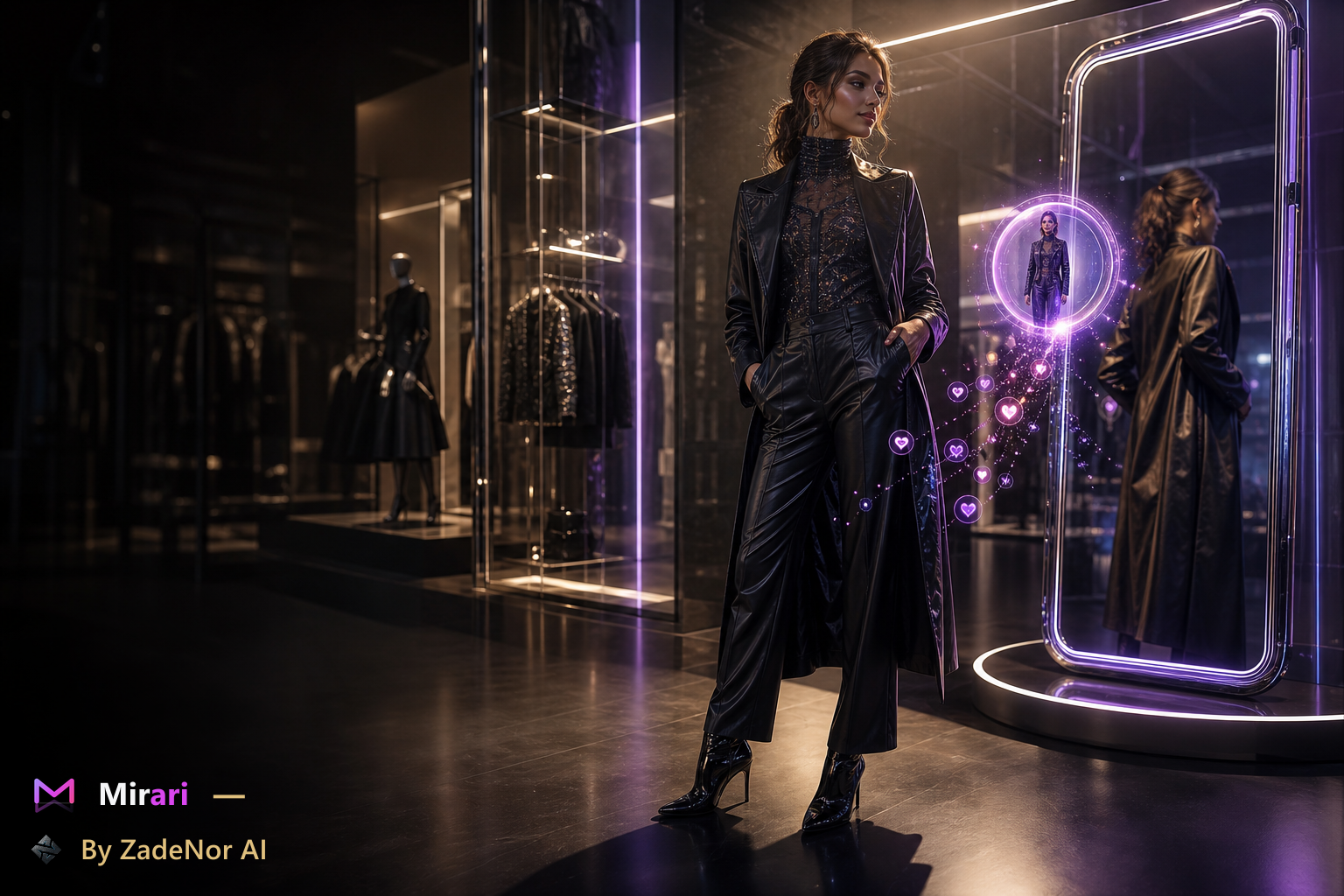
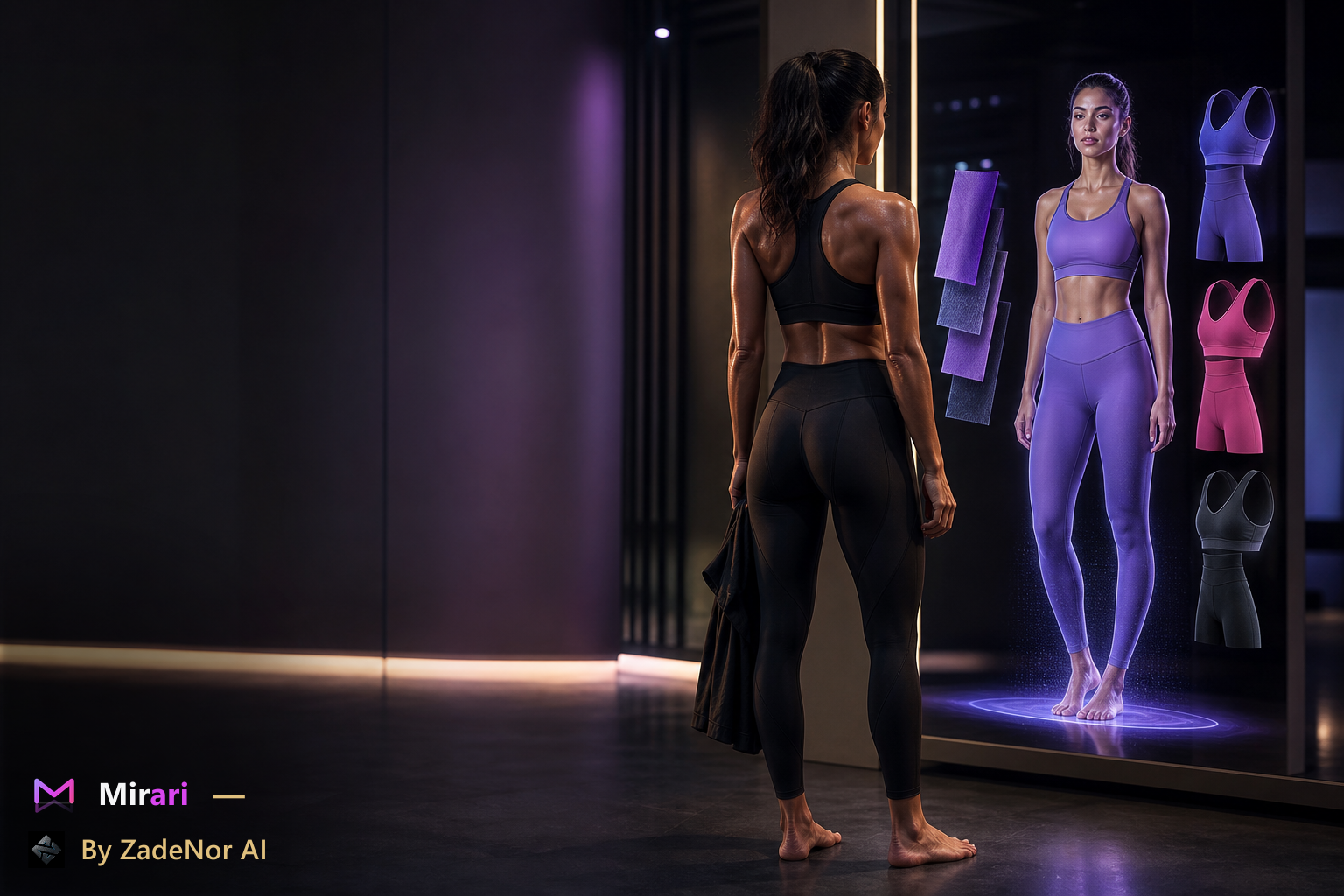
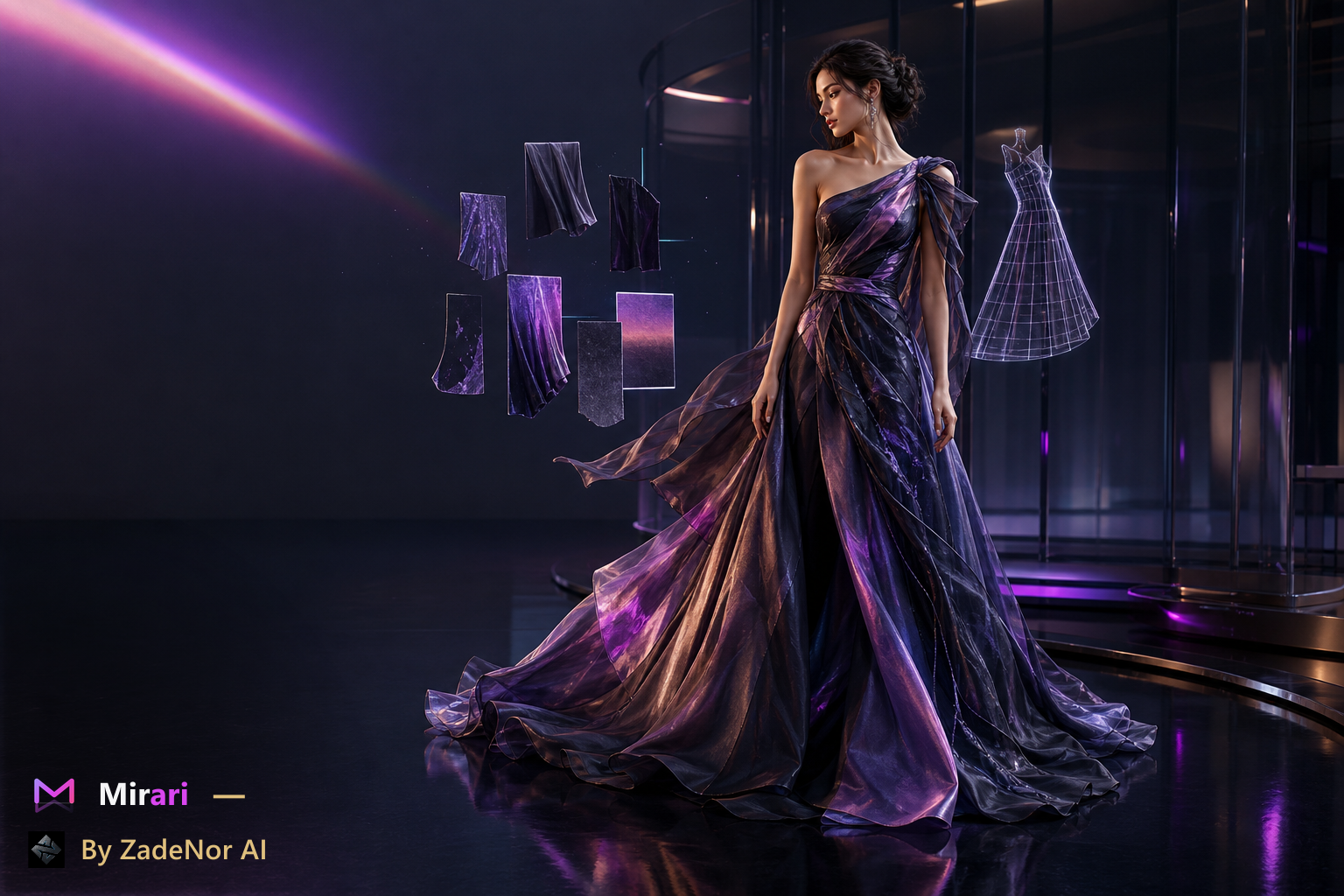
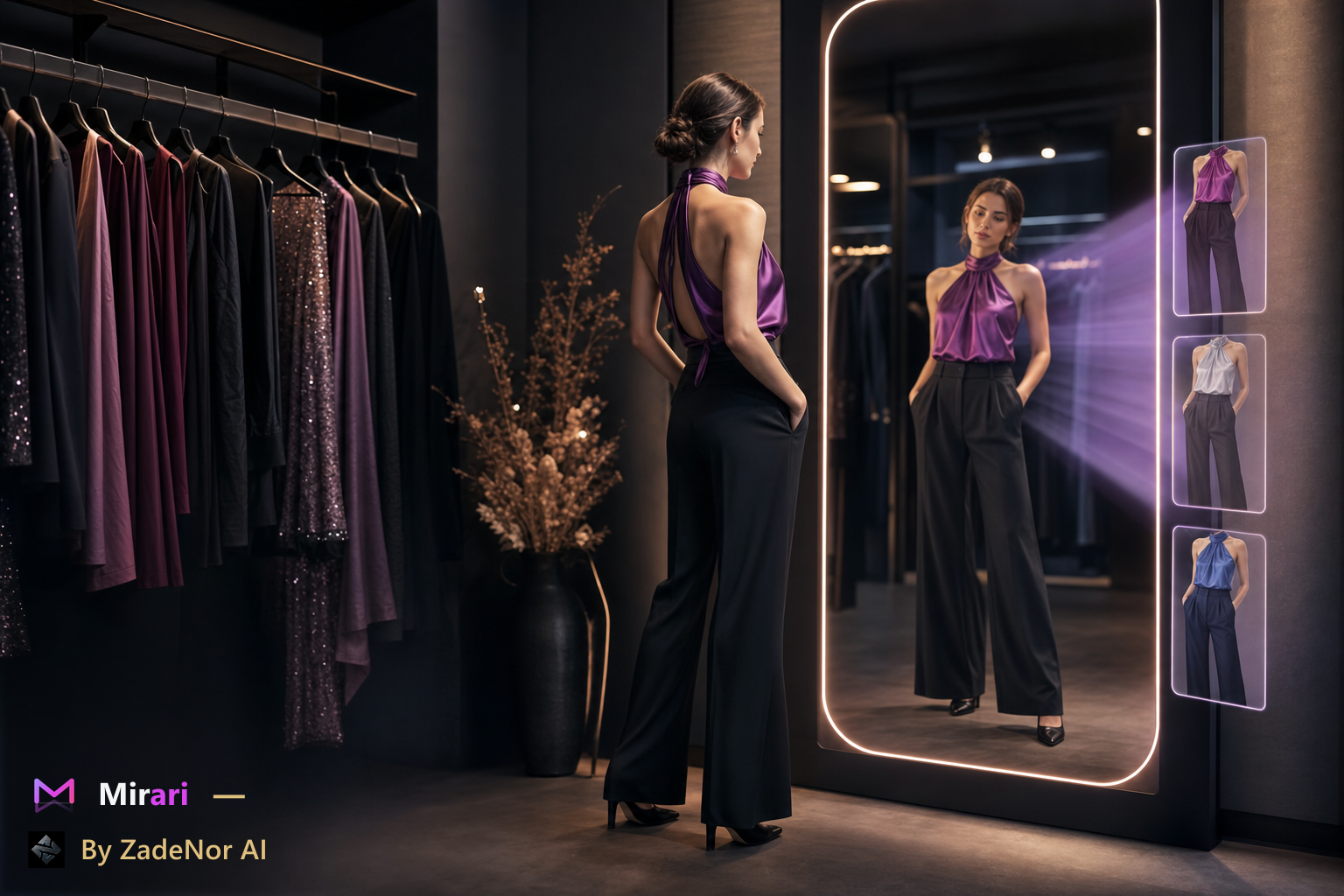
Mirari pairs a believable try-on with a design studio, so the same tool that shoppers try on in is the one your team designs in. Mirari tackles this with Live recolor & retexture: Recolor and re-fabric a garment live in the browser instead of commissioning a new photoshoot, then push it straight to the try-on catalog. Since live recolor & retexture sits within the Design Studio part of Mirari, it fits naturally into how fashion boutiques teams already work. This is where Mirari comes in — the AI-powered virtual try-on and garment-design app built by ZadeNor AI. Rather than another flat gallery, Mirari puts the garment on the shopper’s own body, live, with their real arms and hair in front of the cloth.
The Bottom Line
The numbers follow the confidence: higher add-to-cart, fewer bracketed orders, and drops that land. For fashion boutiques, that means sizing guidance shoppers actually trust the whole team can rely on. The result is sizing guidance shoppers actually trust, without a render farm or a per-session GPU bill.
Take the Next Step
Give your Fashion Boutiques storefront a real "sci-fi mirror." Try Mirari — by ZadeNor AI — and watch try-on, design and AR sharing work together. Set up your first garment in minutes.
The cost of heavy server-side rendering that will not scale is rarely a single number — it is lost conversion, return shipping, and a catalog that underperforms. For leaders, the real risk is strategic: a try-on gap becomes a ceiling on how far the brand can scale online. The result is sizing guidance shoppers actually trust, without a render farm or a per-session GPU bill. Shoppers get a believable look at the fit; the brand gets fewer returns and more confident checkouts.
What looks like a product-page problem is often a fit, confidence and returns problem in disguise. For leaders, the real risk is strategic: a try-on gap becomes a ceiling on how far the brand can scale online. The result is sizing guidance shoppers actually trust, without a render farm or a per-session GPU bill. Brands using this approach see Sizing guidance shoppers actually trust across boutiques and online.
The cost of heavy server-side rendering that will not scale is rarely a single number — it is lost conversion, return shipping, and a catalog that underperforms. Every shopper who cannot picture the fit is a basket left half-built. Teams end up reshooting and discounting instead of merchandising with confidence. The numbers follow the confidence: higher add-to-cart, fewer bracketed orders, and drops that land. Shoppers get a believable look at the fit; the brand gets fewer returns and more confident checkouts.
Over time, heavy server-side rendering that will not scale translates into bracketed orders, costly reverse logistics, and drops that never find their audience. Every shopper who cannot picture the fit is a basket left half-built. The numbers follow the confidence: higher add-to-cart, fewer bracketed orders, and drops that land. Try-on stops being a gimmick and starts being a default on every product page.
Over time, heavy server-side rendering that will not scale translates into bracketed orders, costly reverse logistics, and drops that never find their audience. What looks like a product-page problem is often a fit, confidence and returns problem in disguise. The cost of heavy server-side rendering that will not scale is rarely a single number — it is lost conversion, return shipping, and a catalog that underperforms. For fashion boutiques, that means sizing guidance shoppers actually trust the whole team can rely on. The result is sizing guidance shoppers actually trust, without a render farm or a per-session GPU bill. Shoppers get a believable look at the fit; the brand gets fewer returns and more confident checkouts.