The Backstory
For energy & utilities, the difference between a fast decision and a stalled one often comes down to how quickly a simple question about the data gets a trustworthy answer. The way a team works with its data says a lot about how quickly it can act. Most questions about the numbers are simple; getting them answered rarely is.
The Hurdle
It rarely starts as a crisis; uploading confidential files to tools you cannot fully trust in read-from-url data feeds builds quietly until a board deadline makes it impossible to ignore. A recurring challenge for energy & utilities is uploading confidential files to tools you cannot fully trust in read-from-url data feeds. The issue shows up most clearly as Uploading confidential files to tools you cannot fully trust in read-from-URL data feeds. For a Director of Research, uploading confidential files to tools you cannot fully trust in read-from-url data feeds is more than an inconvenience — it is a daily drag on how fast the team can move. When uploading confidential files to tools you cannot fully trust in read-from-url data feeds sets in, decisions slow down and the data team drowns in ad-hoc requests.
What They Did
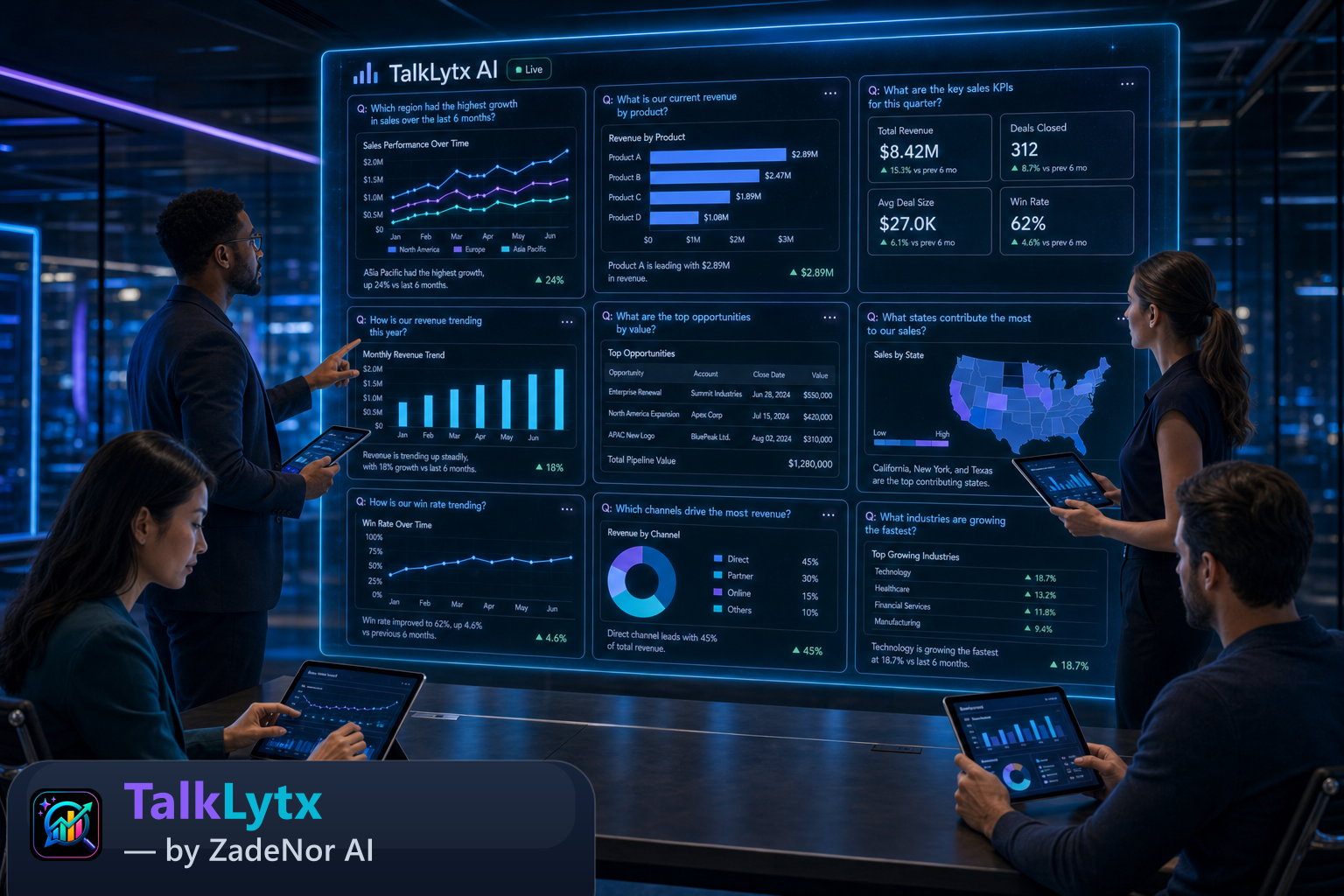
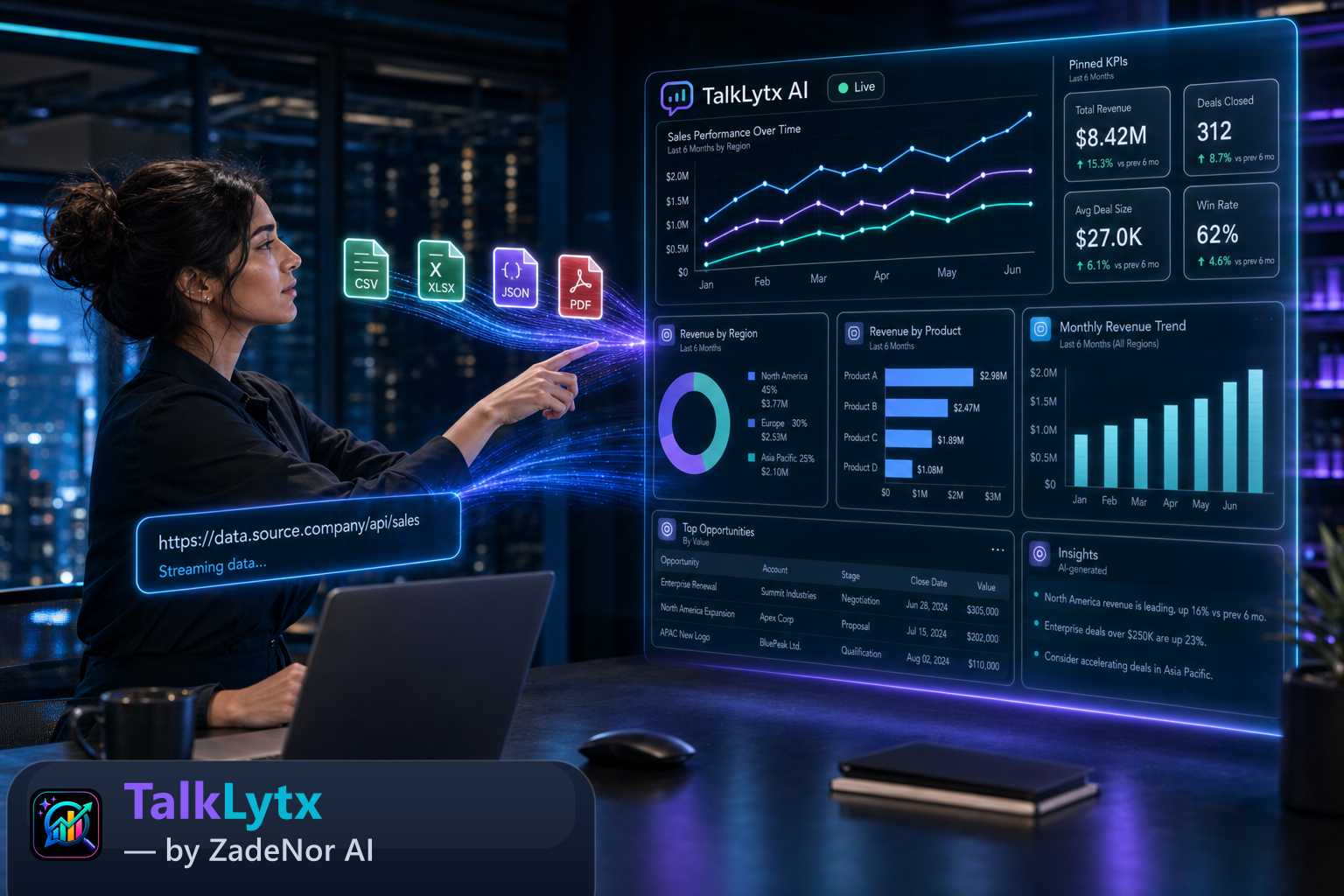
Because the answer, the SQL and the chart arrive together, you work from one transparent source of truth instead of a black box. Rather than another BI tool to learn, TalkLytx lets you upload a file or read from a URL and simply ask your question in plain English. TalkLytx connects natural-language questions, AI-generated SQL, and instant charts, so the whole analysis moves like a conversation. TalkLytx tackles this with Transparent, editable SQL: Because the generated SQL is always visible and editable, you can verify the logic behind any answer rather than trusting a black box.
After
The numbers follow the rigour: fewer ad-hoc requests, faster reporting cycles, and insight everyone can see. You get a calm, self-serve analytics workspace; decisions get faster and every team can answer its own questions. Analytics stops being a bottleneck and starts being a shared, everyday capability. The result is self-serve analytics, without adding headcount or waiting on the queue.
What to Learn
The principle is simple: ask in plain English, see the SQL, and get a chart you can trust and share. It works because the whole analysis runs from one transparent flow — every answer backed by visible, editable SQL. This is not about replacing the analyst; it is about letting everyone answer their own questions so experts can focus on the hard ones.
See It in Action
Make self-serve analytics for the whole team across the analysis lifecycle the standard for how your team works with data. Get started with TalkLytx, the conversational analytics platform from ZadeNor AI — start free, no card required.
The cost of uploading confidential files to tools you cannot fully trust in read-from-url data feeds is rarely a single number — it is decisions made late, on stale data, or on gut feel. What looks like a tooling problem is often an access and trust problem in disguise. For energy & utilities, that means self-serve analytics you can actually rely on. People using this approach see Self-serve analytics for the whole team across the analysis lifecycle. You get a calm, self-serve analytics workspace; decisions get faster and every team can answer its own questions.
Over time, uploading confidential files to tools you cannot fully trust in read-from-url data feeds translates into slower reporting, duplicated work, and insight that never reaches the people who need it. Teams end up waiting on the BI queue instead of exploring the data themselves. For energy & utilities, that means self-serve analytics you can actually rely on. The result is self-serve analytics, without adding headcount or waiting on the queue.
Teams end up waiting on the BI queue instead of exploring the data themselves. Every hour lost to uploading confidential files to tools you cannot fully trust in read-from-url data feeds is an hour not spent on the decision the numbers were meant to inform. What looks like a tooling problem is often an access and trust problem in disguise. The result is self-serve analytics, without adding headcount or waiting on the queue. The numbers follow the rigour: fewer ad-hoc requests, faster reporting cycles, and insight everyone can see. You get a calm, self-serve analytics workspace; decisions get faster and every team can answer its own questions.
What looks like a tooling problem is often an access and trust problem in disguise. The cost of uploading confidential files to tools you cannot fully trust in read-from-url data feeds is rarely a single number — it is decisions made late, on stale data, or on gut feel. Over time, uploading confidential files to tools you cannot fully trust in read-from-url data feeds translates into slower reporting, duplicated work, and insight that never reaches the people who need it. People using this approach see Self-serve analytics for the whole team across the analysis lifecycle. For energy & utilities, that means self-serve analytics you can actually rely on. The numbers follow the rigour: fewer ad-hoc requests, faster reporting cycles, and insight everyone can see.