The Bottom Line Up Front
The way a textile & fabric mills brand lets people picture a garment on themselves says a lot about how it converts. Expectations in Textile & Fabric Mills have shifted, and the tools brands use to show their pieces have to keep up. For textile & fabric mills, the moment a shopper imagines a piece on their own body is the moment a sale is won or lost. In Textile & Fabric Mills, the product page has to do what a fitting room once did — and flat photos rarely manage it.
What You're Solving
A recurring challenge for textile & fabric mills is flat product photos that fail to inspire. Left unaddressed, flat product photos that fail to inspire compounds: confidence drops, returns rise, and the catalog feels flat. It rarely starts as a crisis; flat product photos that fail to inspire builds quietly until a returns report or a soft launch makes it impossible to ignore. The issue shows up most clearly as Flat product photos that fail to inspire for a direct-to-consumer brand.
The Solution
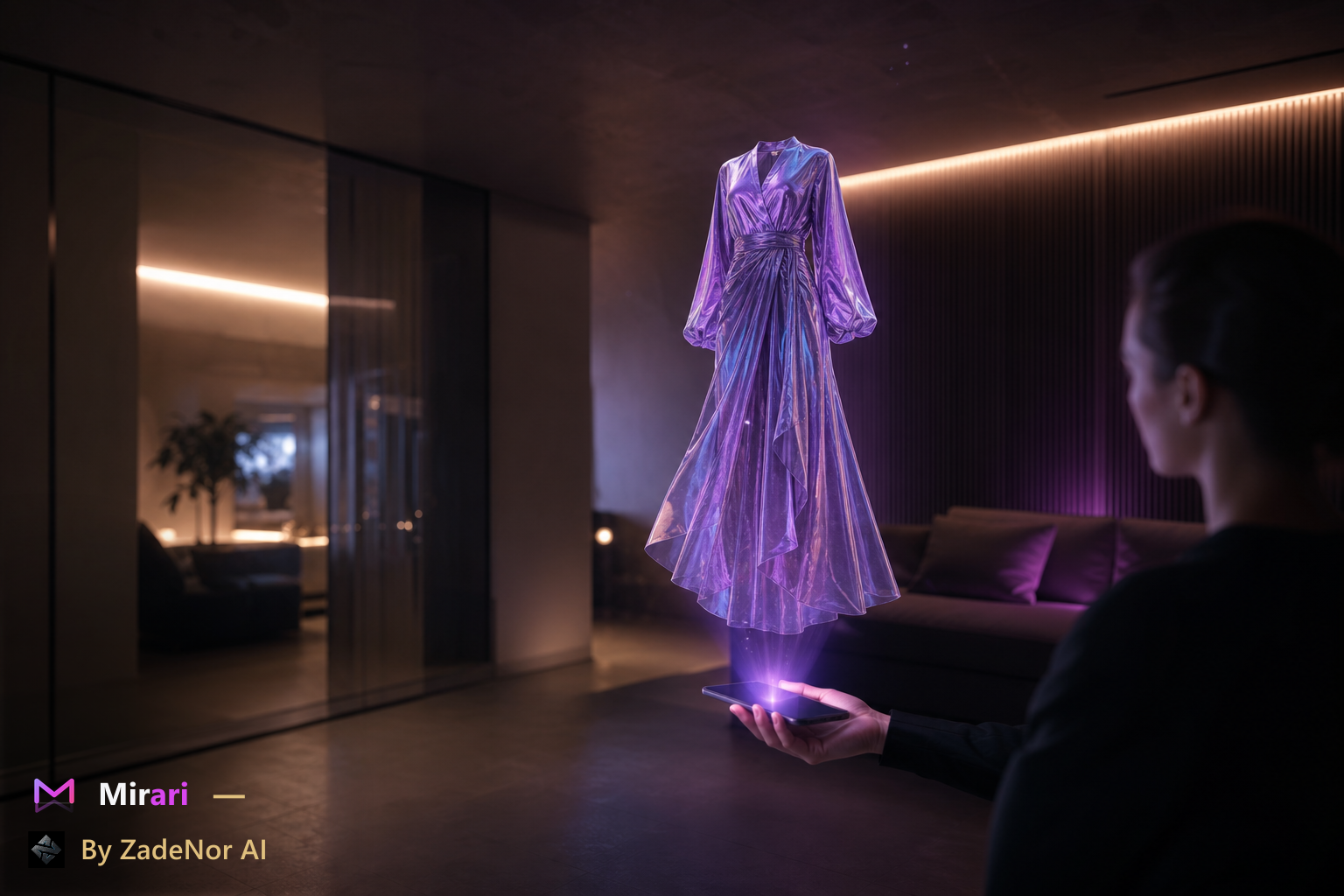
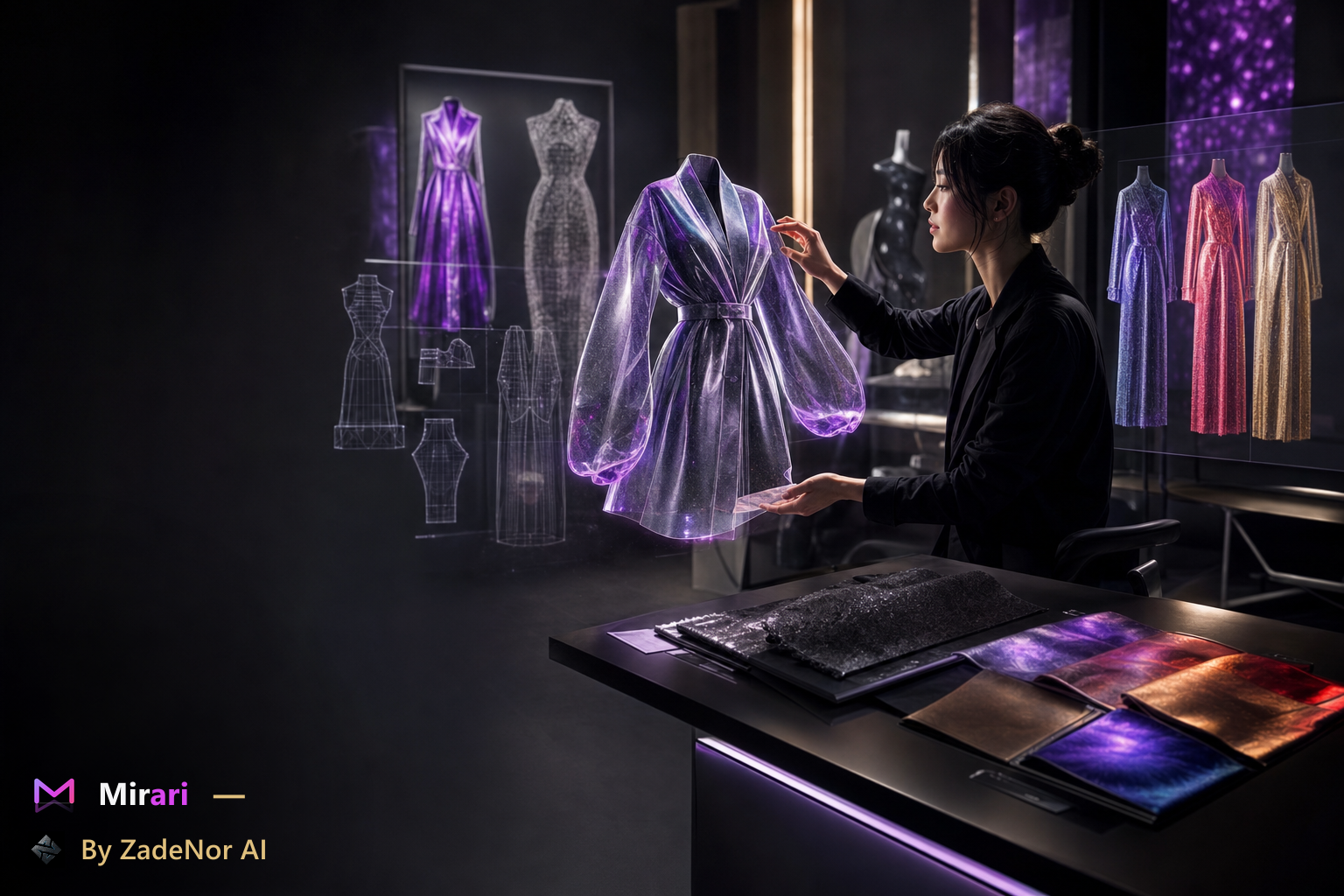
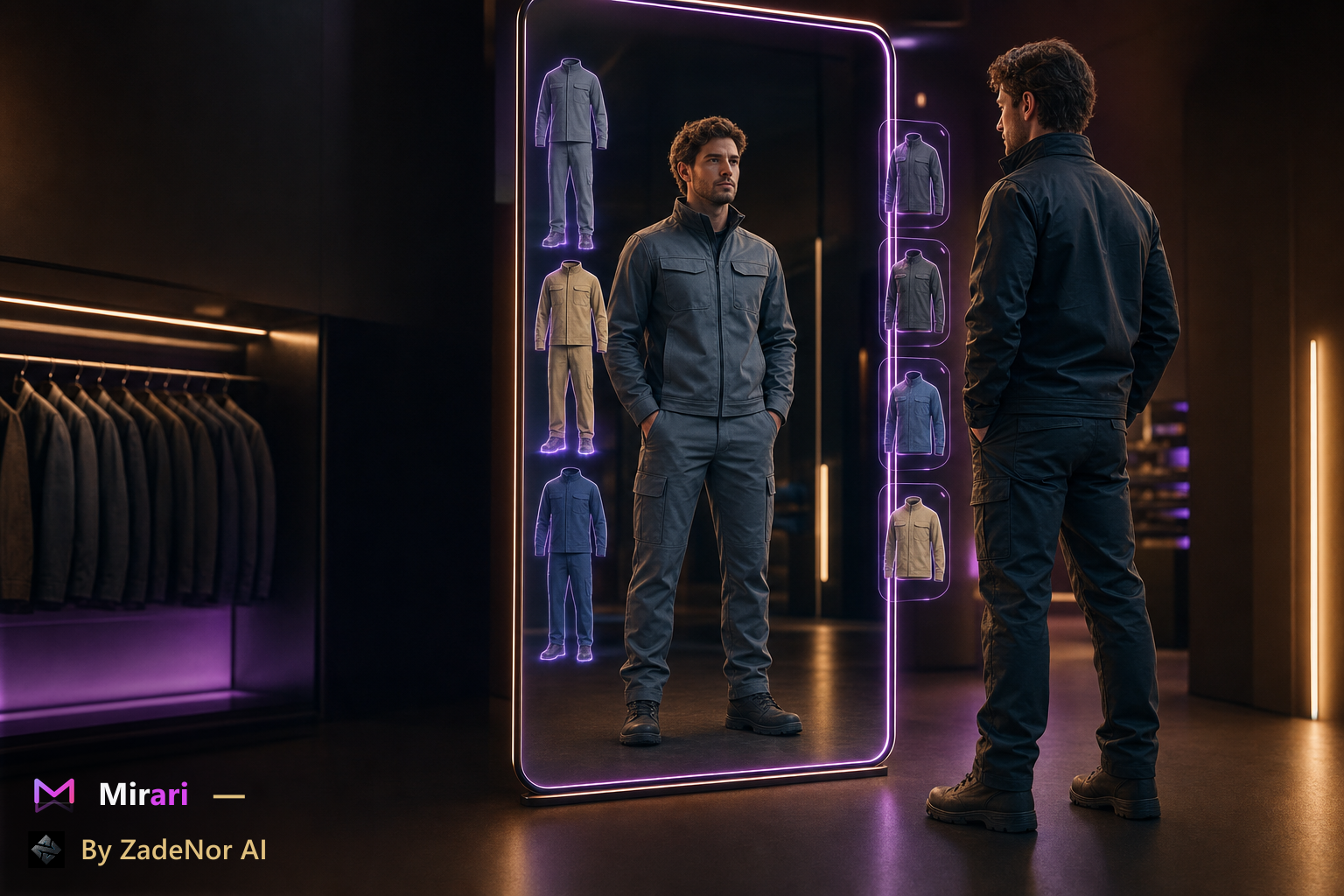
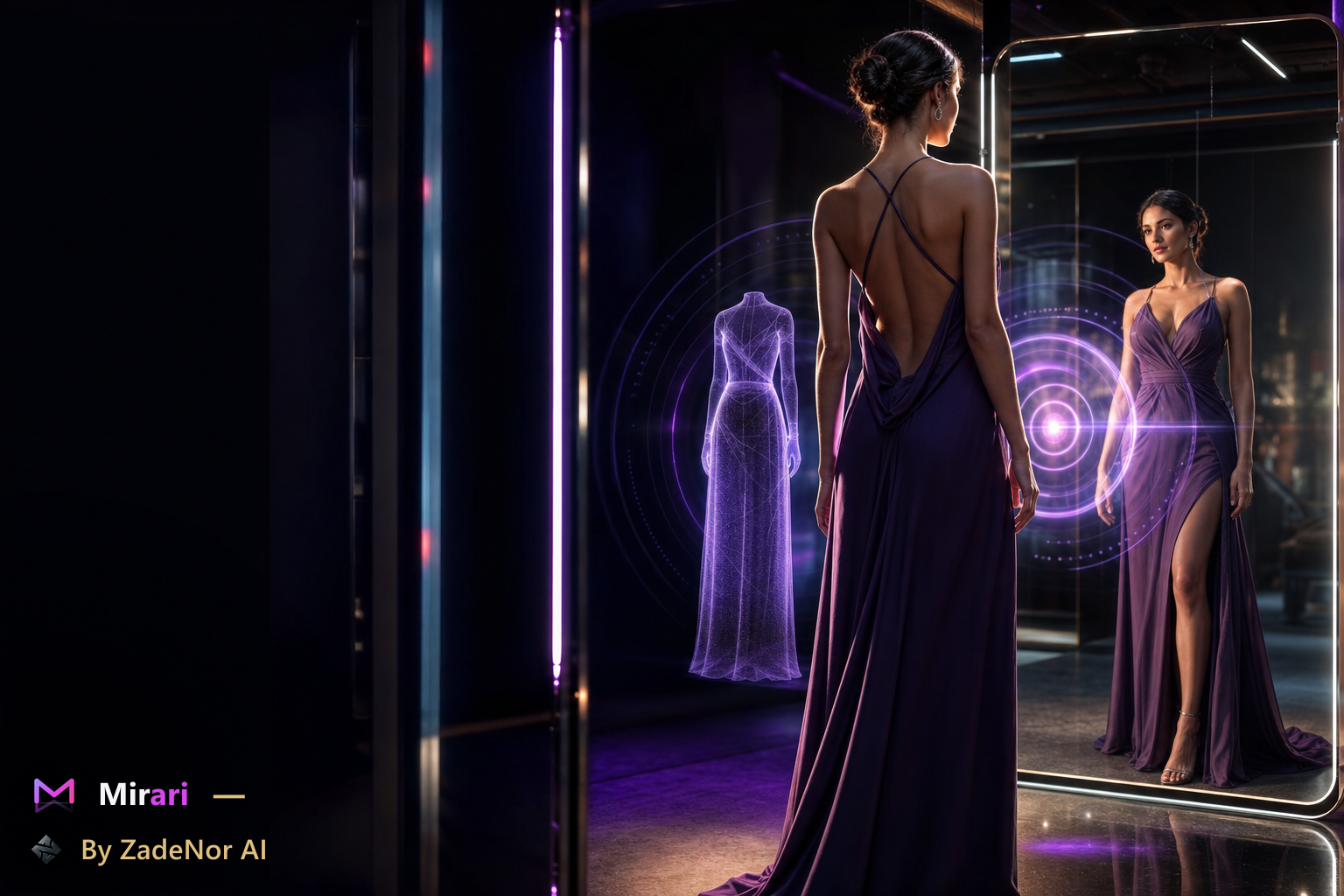
Since on-device pose, face & hand tracking sits within the AI Perception part of Mirari, it fits naturally into how textile & fabric mills teams already work. Because perception and rendering run in the browser, the experience feels instant — and it costs nothing in cloud GPU. Mirari pairs a believable try-on with a design studio, so the same tool that shoppers try on in is the one your team designs in. Rather than another flat gallery, Mirari puts the garment on the shopper’s own body, live, with their real arms and hair in front of the cloth. This is where Mirari comes in — the AI-powered virtual try-on and garment-design app built by ZadeNor AI.
Why It Works
It works because Mirari runs on the shopper’s own device — the try-on reacts instantly and scales without a cost spike. The pattern holds across textile & fabric mills of every size: when shoppers can see the fit on themselves, they buy with confidence. This is not about replacing the studio or the stylist; it is about giving shoppers a believable look before they commit. The principle is simple: design it once, try it on anywhere, and share the look.
What You Gain
Brands using this approach see A try-on that runs on any device during a platform switchover. Shoppers get a believable look at the fit; the brand gets fewer returns and more confident checkouts. The numbers follow the confidence: higher add-to-cart, fewer bracketed orders, and drops that land. Try-on stops being a gimmick and starts being a default on every product page.
Explore Mirari
If a try-on that runs on any device during a platform switchover matters to your Textile & Fabric Mills brand, Mirari by ZadeNor AI can help. Live AR try-on, an expressive 3D avatar, a design studio and USDZ export — all in the browser at $0 cloud-GPU cost. Start free today.
Every shopper who cannot picture the fit is a basket left half-built. Teams end up reshooting and discounting instead of merchandising with confidence. What looks like a product-page problem is often a fit, confidence and returns problem in disguise. Brands using this approach see A try-on that runs on any device during a platform switchover. The numbers follow the confidence: higher add-to-cart, fewer bracketed orders, and drops that land.
What looks like a product-page problem is often a fit, confidence and returns problem in disguise. Teams end up reshooting and discounting instead of merchandising with confidence. Every shopper who cannot picture the fit is a basket left half-built. The numbers follow the confidence: higher add-to-cart, fewer bracketed orders, and drops that land. For textile & fabric mills, that means a try-on that runs the whole team can rely on.
Every shopper who cannot picture the fit is a basket left half-built. What looks like a product-page problem is often a fit, confidence and returns problem in disguise. The cost of flat product photos that fail to inspire is rarely a single number — it is lost conversion, return shipping, and a catalog that underperforms. Brands using this approach see A try-on that runs on any device during a platform switchover. The numbers follow the confidence: higher add-to-cart, fewer bracketed orders, and drops that land.
Every shopper who cannot picture the fit is a basket left half-built. The cost of flat product photos that fail to inspire is rarely a single number — it is lost conversion, return shipping, and a catalog that underperforms. Over time, flat product photos that fail to inspire translates into bracketed orders, costly reverse logistics, and drops that never find their audience. Shoppers get a believable look at the fit; the brand gets fewer returns and more confident checkouts. For textile & fabric mills, that means a try-on that runs the whole team can rely on. The result is a try-on that runs, without a render farm or a per-session GPU bill.
Every shopper who cannot picture the fit is a basket left half-built. The cost of flat product photos that fail to inspire is rarely a single number — it is lost conversion, return shipping, and a catalog that underperforms. For textile & fabric mills, that means a try-on that runs the whole team can rely on. Try-on stops being a gimmick and starts being a default on every product page.