What We're Seeing
Today, many brands reserve any 3D or AR for a few hero products because the pipeline is too costly. Right now, costume & cosplay product pages still lean on flat photos and a size chart. A clear signal is emerging: live, in-browser virtual try-on is moving from nice-to-have to expectation.
The Context
In Costume & Cosplay, shoppers compare a brand’s experience not just to peers but to the slickest apps they use every day. Rising acquisition costs and thin margins make confident conversion non-negotiable. Return rates in costume & cosplay are unforgiving, and fit uncertainty quietly drives most of them. The costume & cosplay market rewards brands that let people see the look on themselves before they buy.
The Problem
A recurring challenge for costume & cosplay is catalog imagery that cannot keep up. When catalog imagery that cannot keep up sets in, shoppers hesitate, baskets stall, and returns climb. Left unaddressed, catalog imagery that cannot keep up compounds: confidence drops, returns rise, and the catalog feels flat.
The Mirari Approach
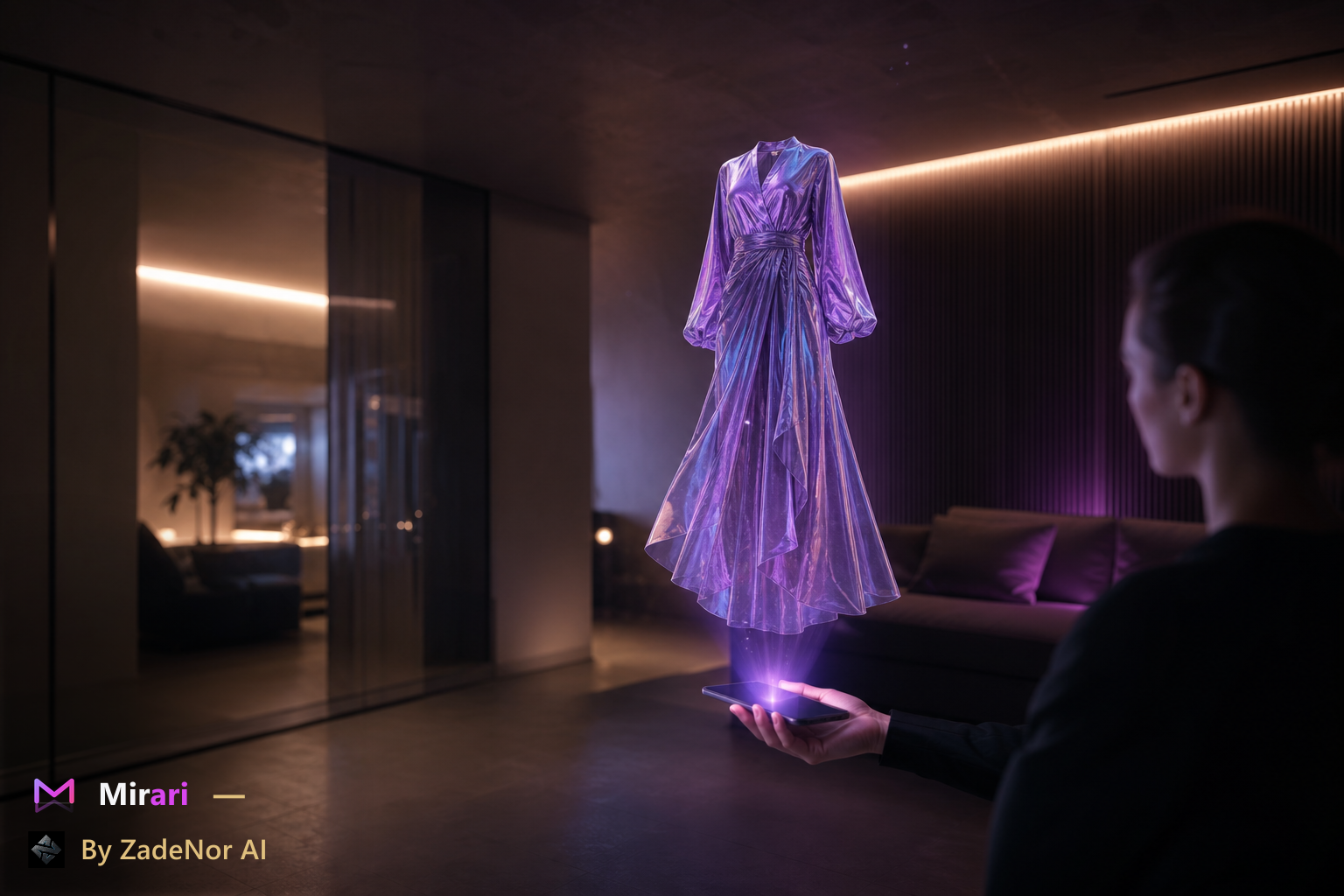
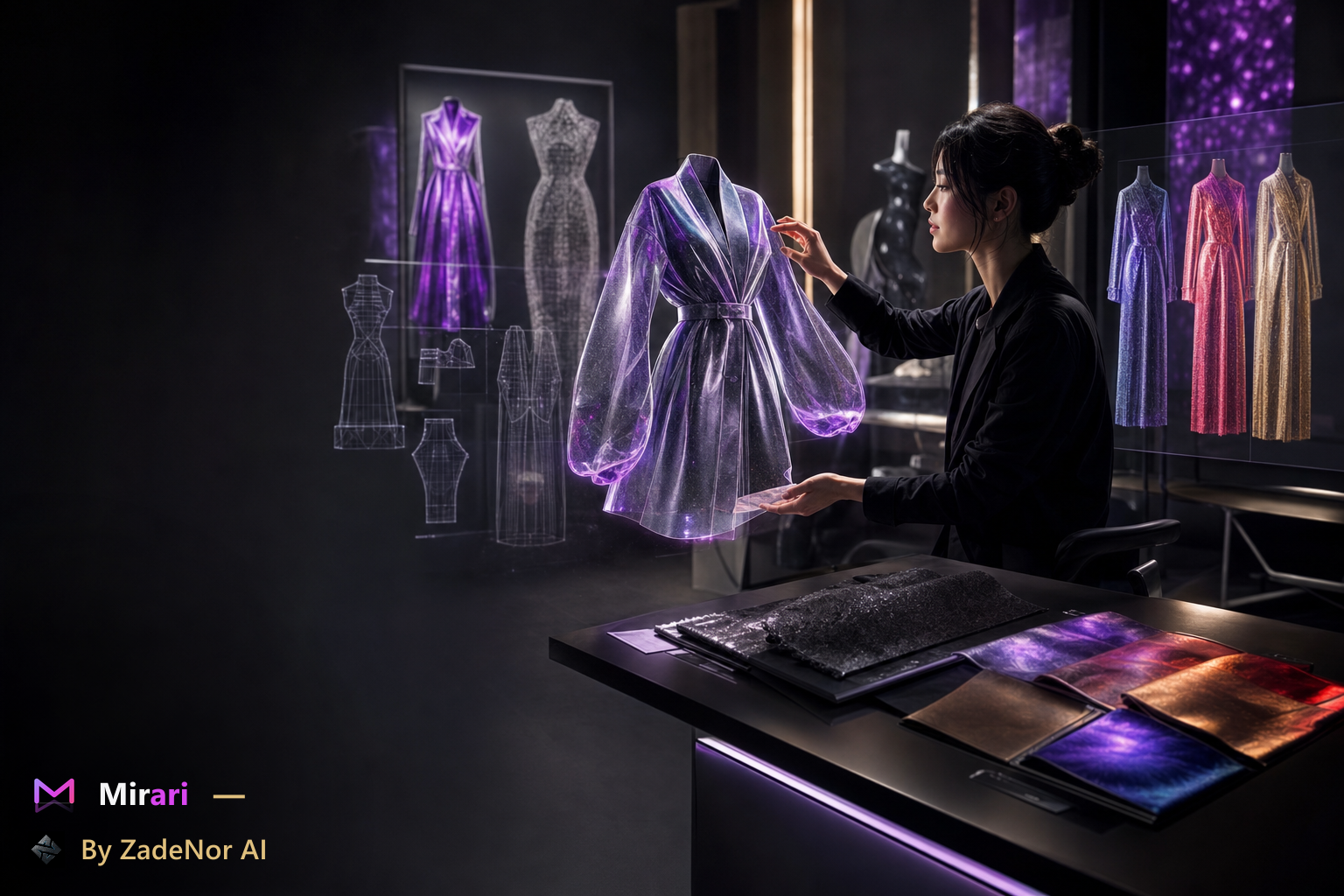
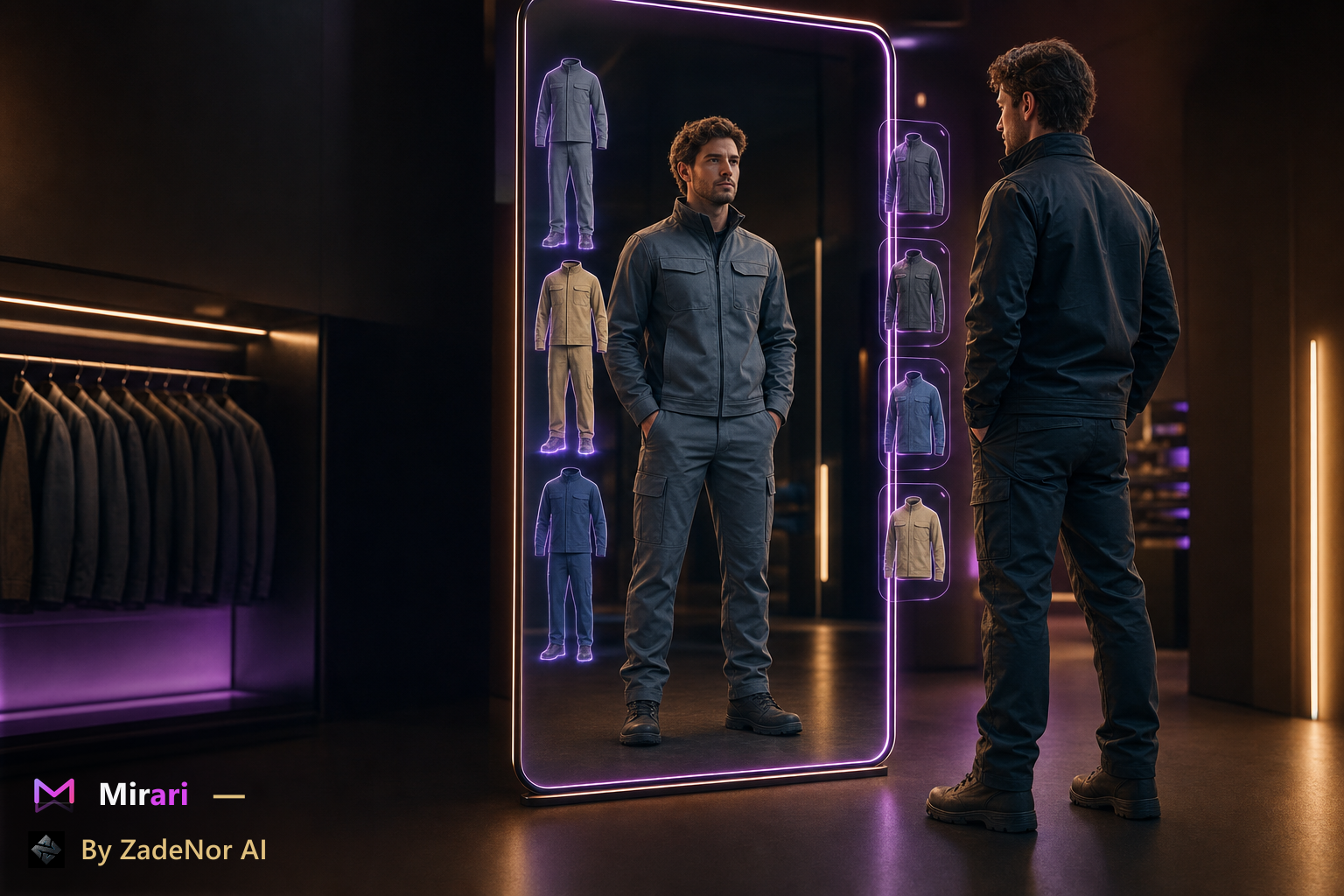
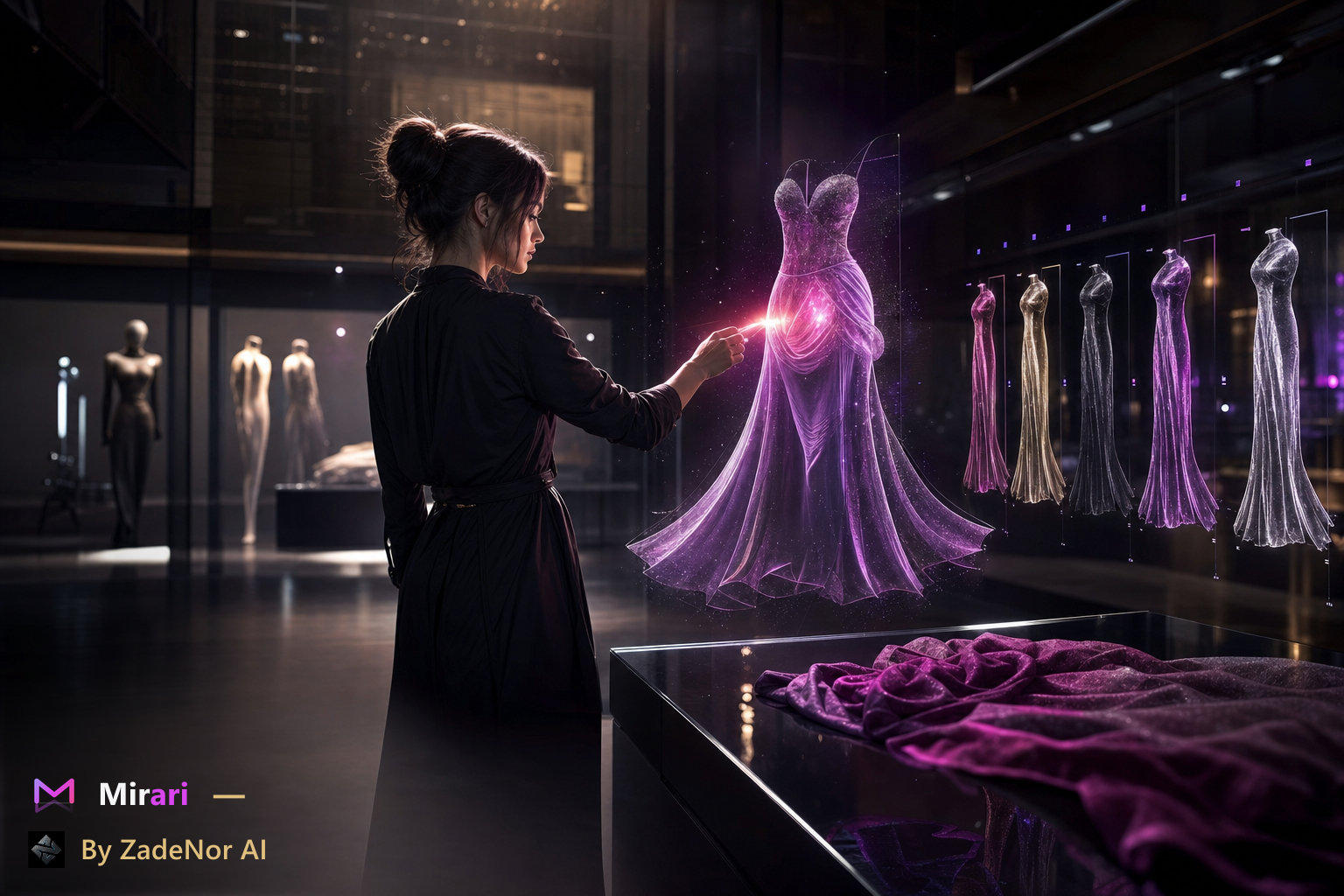
Rather than another flat gallery, Mirari puts the garment on the shopper’s own body, live, with their real arms and hair in front of the cloth. Because perception and rendering run in the browser, the experience feels instant — and it costs nothing in cloud GPU. Mirari tackles this with Catalog & variant management: Manage categories, products, variants and SKUs with R2-served assets, so design, merchandising and try-on share one source of truth. This is where Mirari comes in — the AI-powered virtual try-on and garment-design app built by ZadeNor AI. Since catalog & variant management sits within the Platform & Cost part of Mirari, it fits naturally into how costume & cosplay teams already work.
The Outcome
Try-on stops being a gimmick and starts being a default on every product page. Shoppers get a believable look at the fit; the brand gets fewer returns and more confident checkouts. Brands using this approach see Drops merchandised in days, not weeks for made-to-order work.
Explore Mirari
From a design idea to a try-on-ready SKU, Mirari by ZadeNor AI keeps Costume & Cosplay merchandising fast and your shoppers confident. Let customers see the look on themselves before they buy.
Teams end up reshooting and discounting instead of merchandising with confidence. The cost of catalog imagery that cannot keep up is rarely a single number — it is lost conversion, return shipping, and a catalog that underperforms. Over time, catalog imagery that cannot keep up translates into bracketed orders, costly reverse logistics, and drops that never find their audience. Shoppers get a believable look at the fit; the brand gets fewer returns and more confident checkouts. For costume & cosplay, that means drops merchandised the whole team can rely on. The result is drops merchandised, without a render farm or a per-session GPU bill.
What looks like a product-page problem is often a fit, confidence and returns problem in disguise. Over time, catalog imagery that cannot keep up translates into bracketed orders, costly reverse logistics, and drops that never find their audience. Teams end up reshooting and discounting instead of merchandising with confidence. Try-on stops being a gimmick and starts being a default on every product page. Brands using this approach see Drops merchandised in days, not weeks for made-to-order work.
The cost of catalog imagery that cannot keep up is rarely a single number — it is lost conversion, return shipping, and a catalog that underperforms. Teams end up reshooting and discounting instead of merchandising with confidence. The numbers follow the confidence: higher add-to-cart, fewer bracketed orders, and drops that land. The result is drops merchandised, without a render farm or a per-session GPU bill. Brands using this approach see Drops merchandised in days, not weeks for made-to-order work.
Teams end up reshooting and discounting instead of merchandising with confidence. For leaders, the real risk is strategic: a try-on gap becomes a ceiling on how far the brand can scale online. Shoppers get a believable look at the fit; the brand gets fewer returns and more confident checkouts. Try-on stops being a gimmick and starts being a default on every product page. The numbers follow the confidence: higher add-to-cart, fewer bracketed orders, and drops that land.
Over time, catalog imagery that cannot keep up translates into bracketed orders, costly reverse logistics, and drops that never find their audience. Teams end up reshooting and discounting instead of merchandising with confidence. Try-on stops being a gimmick and starts being a default on every product page. For costume & cosplay, that means drops merchandised the whole team can rely on. The result is drops merchandised, without a render farm or a per-session GPU bill.
The cost of catalog imagery that cannot keep up is rarely a single number — it is lost conversion, return shipping, and a catalog that underperforms. What looks like a product-page problem is often a fit, confidence and returns problem in disguise. For costume & cosplay, that means drops merchandised the whole team can rely on. The numbers follow the confidence: higher add-to-cart, fewer bracketed orders, and drops that land.