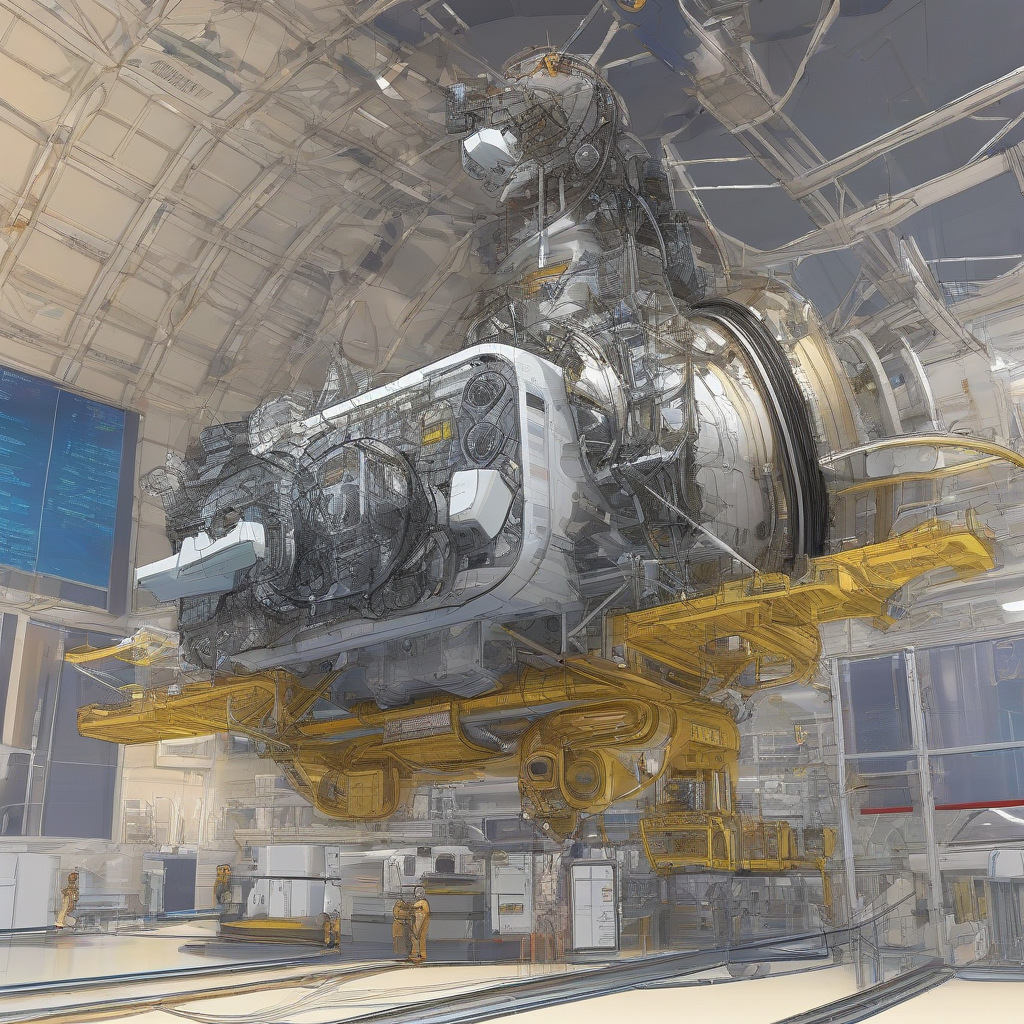
The new Discovery and Preparation podcast showcases innovation for space
Space Innovation Takes Center Stage: Discovery and Preparation Podcast Explores the Future of Space Exploration
In a world where space technology is rapidly advancing, it's essential to stay informed about the latest innovations and breakthroughs. The European Space Agency's (ESA) Discovery and Preparation podcast series is a valuable resource for anyone interested in the cutting-edge technologies being developed through ESA's activities. In this article, we'll delve into the world of space innovation and explore the exciting projects and companies featured in the first episode of the podcast.
The Power of Space Technology: From Breakthroughs to Commercial Applications
The ESA's Discovery and Preparation podcast series is a fascinating journey into the world of space innovation. The podcast explores some of the "blue sky" research projects that are pushing the boundaries of what's possible in space. These projects are not only essential for future space missions but also have significant commercial applications that benefit life on Earth.
One of the companies featured in the first episode is Ask Earth, a spin-off from ETH, UZH, and EPFL. Ask Earth has developed the first AI-native geospatial agent that turns complex Earth observation data into clear, actionable insights. The company's CEO, Gaetan Petit, discusses how Ask Earth is revolutionizing the way organizations interact with satellite data through artificial intelligence.
The Importance of AI in Space Exploration
Artificial intelligence (AI) is a crucial component of space exploration, and its applications are vast. From analyzing satellite data to optimizing mission planning, AI is helping space agencies and companies to make more informed decisions and improve the efficiency of their operations.
Ask Earth's AI-native geospatial agent is a prime example of how AI can be applied to space technology. The agent uses machine learning algorithms to analyze complex Earth observation data and provide actionable insights to organizations. This technology has significant commercial applications, such as helping companies to optimize their supply chains and make more informed decisions about resource allocation.
The Open Space Innovation Platform (OSIP)
The ESA's Open Space Innovation Platform (OSIP) is a valuable resource for researchers, startups, and companies across ESA member states. OSIP provides funding, expertise, and support to turn innovative ideas into reality. The platform is open to anyone with a great idea, and it's an excellent way to connect with other innovators and experts in the field.
The Future of Space Exploration: Implications and Insights
The Discovery and Preparation podcast series is a valuable resource for anyone interested in the future of space exploration. The podcast highlights the innovative technologies being developed through ESA's activities and provides insights into the commercial applications of these technologies.
The first episode of the podcast features Ask Earth's Gaetan Petit discussing the company's AI-native geospatial agent. The agent is a prime example of how AI can be applied to space technology, and its commercial applications are vast. The agent can help companies to optimize their supply chains and make more informed decisions about resource allocation.
Conclusion
The ESA's Discovery and Preparation podcast series is a fascinating journey into the world of space innovation. The podcast explores some of the "blue sky" research projects that are pushing the boundaries of what's possible in space. These projects are not only essential for future space missions but also have significant commercial applications that benefit life on Earth.
The first episode of the podcast features Ask Earth's Gaetan Petit discussing the company's AI-native geospatial agent. The agent is a prime example of how AI can be applied to space technology, and its commercial applications are vast. The agent can help companies to optimize their supply chains and make more informed decisions about resource allocation.
As we look to the future of space exploration, it's essential to stay informed about the latest innovations and breakthroughs. The Discovery and Preparation podcast series is a valuable resource for anyone interested in the cutting-edge technologies being developed through ESA's activities.