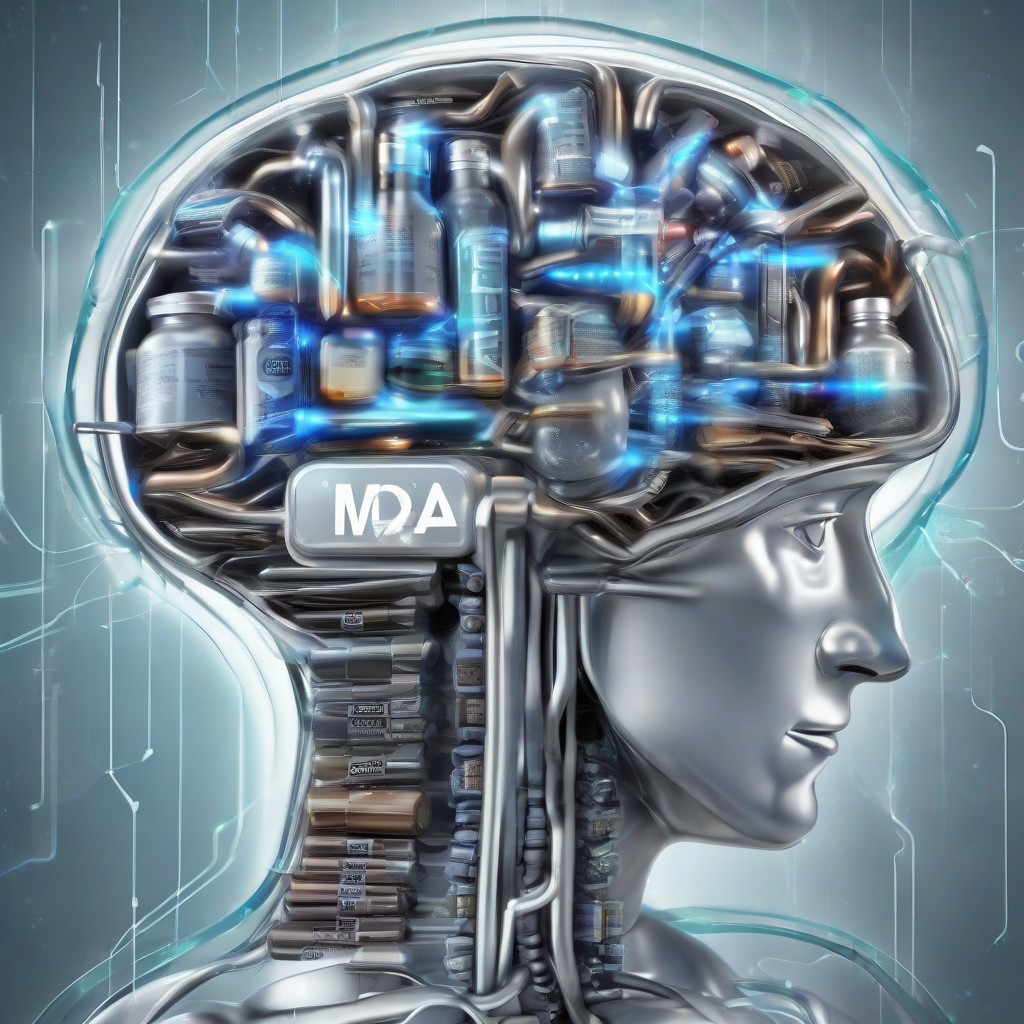
The great AI hype correction of 2025
The Great AI Hype Correction of 2025
As we approach the end of 2025, it's clear that the AI hype machine has finally started to slow down. The relentless drumbeat of promises and breakthroughs has given way to a more nuanced understanding of what this technology can and cannot do. The pendulum has swung from hype to anti-hype, and it's time to take a step back and assess the true state of AI.
LLMs Are Not Everything
The hype around large language models (LLMs) has been particularly intense, with many claiming that they are the doorway to artificial general intelligence (AGI). However, recent research has shown that LLMs are not the panacea that many had hoped for. They are excellent at learning specific tasks, but they do not seem to learn the principles behind those tasks. In other words, they can solve a thousand different algebra problems, but they do not understand the underlying math.
AI Is Not a Quick Fix to All Your Problems
A study by researchers at MIT found that 95% of businesses that had tried using AI had found zero value in it. However, this number is misleading, as it only accounts for companies that had tried to implement bespoke AI systems but had not yet scaled them beyond the pilot stage. When the Upwork study looked at how well agents completed tasks together with people who knew what they were doing, success rates shot up. The takeaway seems to be that a lot of people are figuring out for themselves how AI might help them with their jobs.
Are We in a Bubble? (If So, What Kind of Bubble?)
If AI is a bubble, is it like the subprime mortgage bubble of 2008 or the internet bubble of 2000? Because there's a big difference. The subprime bubble wiped out a big part of the economy, because when it burst it left nothing behind except debt and overvalued real estate. The dot-com bubble wiped out a lot of companies, which sent ripples across the world, but it left behind the infant internet—an international network of cables and a handful of startups, like Google and Amazon, that became the tech giants of today.
ChatGPT Was Not the Beginning, and It Won't Be the End
ChatGPT was the culmination of a decade's worth of progress in deep learning, the technology that underpins all of modern AI. The seeds of deep learning itself were planted in the 1980s. The field as a whole goes back at least to the 1950s. If progress is measured against that backdrop, generative AI has barely got going. Meanwhile, research is at a fever pitch. There are more high-quality submissions to the world's major AI conferences than ever before.
Where Do We Go from Here?
The relentless hype hasn't come just from companies drumming up business for their vastly expensive new technologies. There's a large cohort of people—inside and outside the industry—who want to believe in the promise of machines that can read, write, and think. It's a wild decades-old dream. But the hype was never sustainable—and that's a good thing. We now have a chance to reset expectations and see this technology for what it really is—assess its true capabilities, understand its flaws, and take the time to learn how to apply it in valuable (and beneficial) ways.
Deep Dive
Artificial intelligence has become a multibillion-dollar industry, with many companies and researchers working on various aspects of AI. However, the hype surrounding AI has led to a lack of understanding of what AI can and cannot do. In this section, we will delve deeper into the world of AI and explore its capabilities and limitations.
How AGI Became the Most Consequential Conspiracy Theory of Our Time
The idea that machines will be as smart as—or smarter than—humans has hijacked an entire industry. But look closely and you'll see it's a myth that persists for many of the same reasons conspiracies do.
OpenAI's New LLM Exposes the Secrets of How AI Really Works
The experimental model won't compete with the biggest and best, but it could tell us why they behave in weird ways—and how trustworthy they really are.
Quantum Physicists Have Shrunk and “De-censored” DeepSeek R1
They managed to cut the size of the AI reasoning model by more than half—and claim it can now answer politically sensitive questions once off limits in Chinese AI systems.
AI Chatbots Can Sway Voters Better Than Political Advertisements
A conversation with a chatbot can shift people's political views—but the most persuasive models also spread the most misinformation.
Stay connected
Get the latest updates from MIT Technology Review
Discover special offers, top stories, upcoming events, and more.
Enter your email
Privacy PolicyThank you for submitting your email!
Explore more newsletters
It looks like something went wrong.
We're having trouble saving your preferences. Try refreshing this page and updating them one more time. If you continue to get this message, reach out to us at [email protected] with a list of newsletters you'd like to receive.
Source: https://www.technologyreview.com/2025/12/15/1129174/the-great-ai-hype-correction-of-2025/