Teams of Robots Compete to Save Lives on the Battlefield
Revolutionizing Battlefield Medicine: Teams of Robots Compete to Save Lives
The DARPA Triage Challenge: A Game-Changer for Disaster Medicine
In a groundbreaking initiative, the Defense Advanced Research Projects Agency (DARPA) has unleashed teams of robots on simulated mass-casualty scenarios, including an airplane crash and a night ambush. The robots' job was to find victims and estimate the severity of their injuries, with the goal of helping human medics get to the people who need them the most. This challenge, known as the DARPA Triage Challenge, is a testament to the power of innovation in addressing some of the most pressing challenges in disaster medicine.
The Challenge: Enabling Robots to Assess and Prioritize Casualties
The challenge involves enabling robots to remotely collect data on casualties, including detecting heart rate from changes in skin color or hearing breathing from a distance. This is a critical capability, as it would allow medics to quickly identify the most critically injured patients and prioritize their care. According to Kimberly Elenberg, a principal project scientist with the Auton Lab of Carnegie Mellon University's Robotics Institute, "We simply do not have enough responders for mass-casualty incidents. The drones and ground robots that we're developing can give us the perspective that we need to identify where people are, assess who's most at risk, and figure out how responders can get to them most efficiently."
The Technology: A Vest-Mounted Android Phone and a Squad of Quadruped Robots
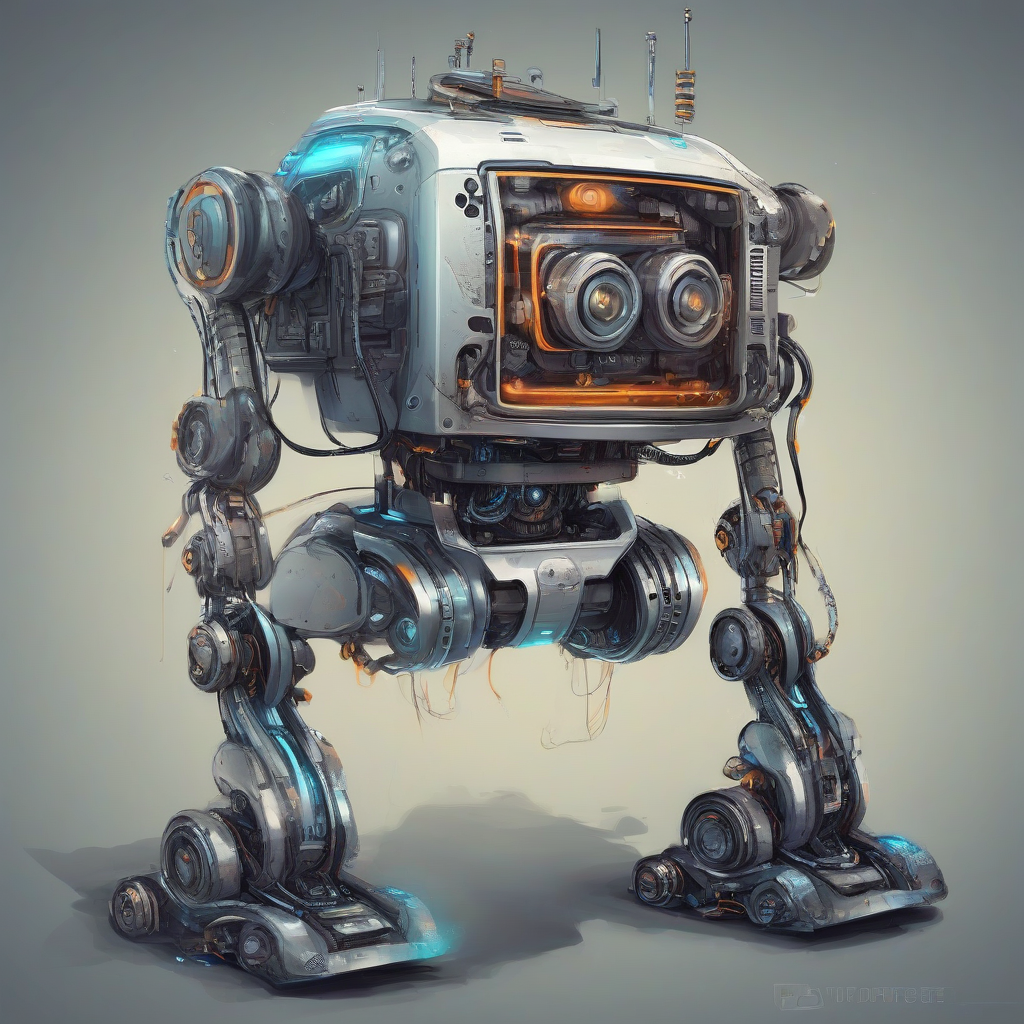
The team from Carnegie Mellon University, led by Elenberg, is using a vest-mounted Android phone that flips down at chest height to display a map with the GPS location of all casualties on it and their triage priority as colored dots. The phone is autonomously populated with data from a team of quadruped robots, which are equipped with sensors and cameras to gather information on the casualties. According to Elenberg, "The system has to be simple. For example, I can't have a device that's going to force a medic to take their hands away from their patient. What we came up with is a vest-mounted Android phone that flips down at chest height to display a map that has the GPS location of all of the casualties on it and their triage priority as colored dots, autonomously populated from the team of robots."
The Potential Impact: Saving Lives and Reducing Response Times
The potential impact of this technology is significant. By enabling robots to quickly and accurately assess and prioritize casualties, medics can respond more effectively to mass-casualty incidents. This can lead to a reduction in response times, which is critical in saving lives. According to Elenberg, "I already feel like we've won. Showing responders exactly where casualties are and estimating who needs attention most—that's a huge step forward for disaster medicine. The next milestone is recognizing specific injury patterns and the likely life-saving interventions needed, but that will come."
The Future of Disaster Medicine: Robots and Humans Working Together
The DARPA Triage Challenge is a testament to the power of innovation in addressing some of the most pressing challenges in disaster medicine. As technology continues to evolve, we can expect to see even more sophisticated robots and systems being developed to support medics in the field. According to Elenberg, "This is art and science coming together, and while the technology still has limitations, the pace of progress is extraordinary." Ultimately, the future of disaster medicine will be shaped by the ability of robots and humans to work together effectively, leveraging the strengths of each to save lives and reduce suffering.
Conclusion
The DARPA Triage Challenge is a groundbreaking initiative that has the potential to revolutionize the way we respond to mass-casualty incidents. By enabling robots to quickly and accurately assess and prioritize casualties, medics can respond more effectively, leading to a reduction in response times and a greater chance of saving lives. As technology continues to evolve, we can expect to see even more sophisticated robots and systems being developed to support medics in the field. The future of disaster medicine will be shaped by the ability of robots and humans to work together effectively, leveraging the strengths of each to save lives and reduce suffering.
Source: https://spectrum.ieee.org/darpa-triage-challenge-robots