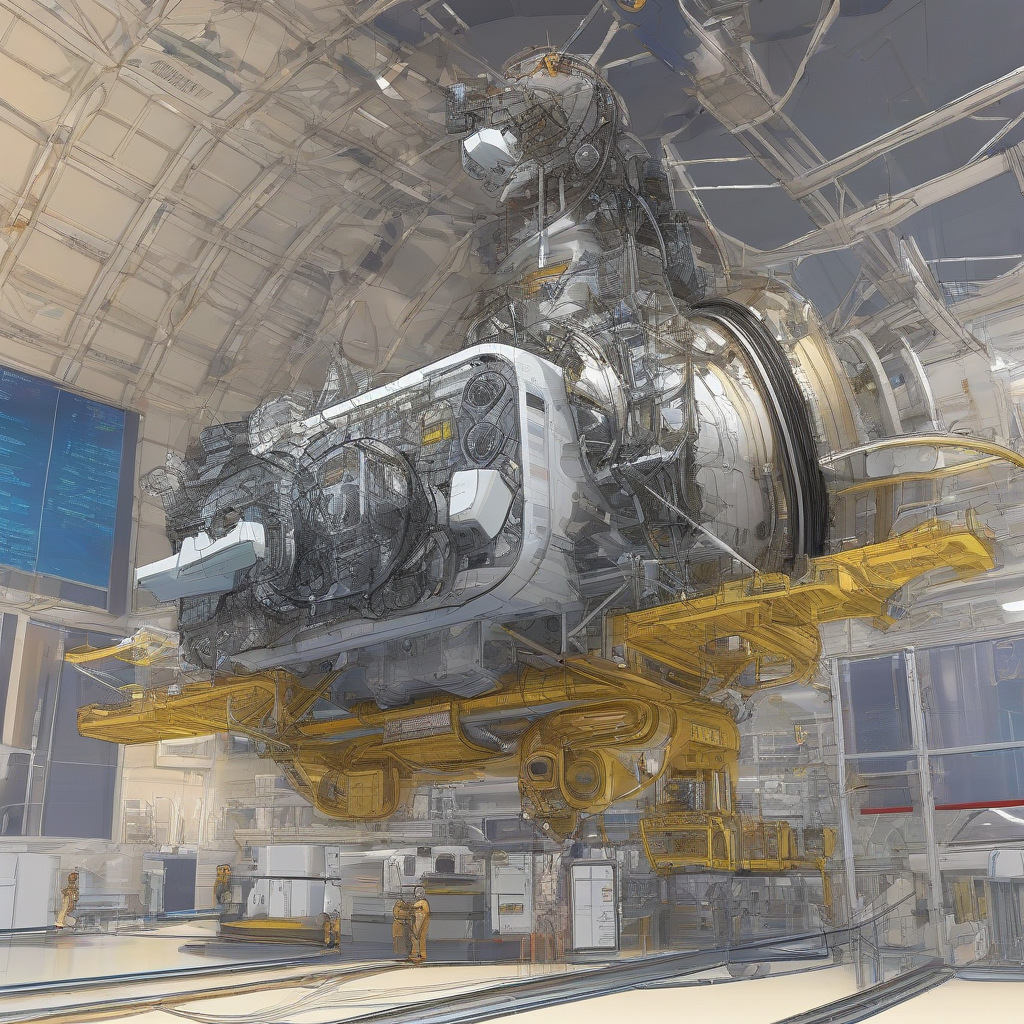
NASA to Discuss Early Results of Artemis II Wet Dress Rehearsal
NASA's Artemis II Mission: A Leap Forward in Space Exploration
As the world watches with bated breath, NASA is on the cusp of a major milestone in its Artemis program – a mission that will send astronauts to the Moon and pave the way for a new era of space exploration. The Artemis II mission, currently underway at Kennedy Space Center in Florida, is a critical step towards making this vision a reality.
A Wet Dress Rehearsal like No Other
The Artemis II mission is not just about sending astronauts to the Moon; it's about testing the capabilities of the Space Launch System (SLS) rocket and the Orion spacecraft. The SLS rocket, with its 700,000 gallons of propellant, is a behemoth of a machine that requires precise timing and execution to launch successfully. The wet dress rehearsal, currently underway, is a simulated launch test that will put the rocket and spacecraft through their paces.
Initial Results and a News Conference
On Tuesday, February 3, NASA leaders will discuss the initial results of the wet dress rehearsal during a news conference at 12 p.m. EST. The conference will be streamed live on NASA's YouTube channel, and media representatives will be able to participate virtually or in person. The participants will include NASA Associate Administrator Amit Kshatriya, Lori Glaze, acting associate administrator for the Exploration Systems Development Mission Directorate, John Honeycutt, chair of the Artemis II Mission Management Team, and a representative from the Exploration Ground Systems Program.
The Artemis II Crew: A Diverse and Talented Team
The Artemis II crew consists of four astronauts, each with their own unique skills and experience. Reid Wiseman, the mission commander, is a seasoned NASA astronaut with years of experience in space. Victor Glover, the pilot, is a NASA astronaut who has flown on the International Space Station. Christina Koch, the mission specialist, is a NASA astronaut who has spent over 11 months on the International Space Station. Jeremy Hansen, the mission specialist, is a Canadian Space Agency astronaut who has extensive experience in space exploration.
The Road to Mars: A New Era of Space Exploration
The Artemis program is not just about sending astronauts to the Moon; it's about paving the way for a new era of space exploration. The ultimate goal of the program is to send the first astronauts to Mars, a mission that will require significant technological advancements and infrastructure development. The Artemis program is a critical step towards making this vision a reality, and the success of the Artemis II mission will be a major milestone on this journey.
Implications and Practical Insights
The success of the Artemis II mission will have significant implications for the space industry and beyond. It will demonstrate the capabilities of the SLS rocket and the Orion spacecraft, and provide valuable insights into the challenges of deep space exploration. The mission will also pave the way for future missions to the Moon and beyond, and will help to establish a sustainable presence in space.
Conclusion
The Artemis II mission is a critical step towards making the vision of a new era of space exploration a reality. The success of the mission will depend on the precise execution of the wet dress rehearsal, and the ability of the SLS rocket and Orion spacecraft to perform as designed. The implications of the mission will be significant, and will pave the way for future missions to the Moon and beyond.
Forward-Looking Thoughts
As the world watches with bated breath, the Artemis II mission is a reminder of the incredible progress that has been made in space exploration. The success of the mission will be a major milestone on the journey to a new era of space exploration, and will pave the way for future missions to the Moon and beyond. The implications of the mission will be significant, and will help to establish a sustainable presence in space.
Source: https://www.nasa.gov/news-release/nasa-to-discuss-early-results-of-artemis-ii-wet-dress-rehearsal/