NASA Testing Wastewater Treatment Facility for Future Moon Base
A New Era in Space Exploration: NASA's Wastewater Treatment Facility for the Moon
As NASA's Artemis program gears up to establish a sustainable human presence on the Moon, the agency is turning its attention to the critical issue of wastewater management. A mobile wastewater treatment system, designed to turn crew wastewater into useful resources, has departed NASA's Kennedy Space Center in Florida and arrived at the University of North Dakota in Grand Forks. Graduate students at the university will test the technology under conditions designed to closely mimic the challenges of operating on another planetary surface.
How the Treatment System Works
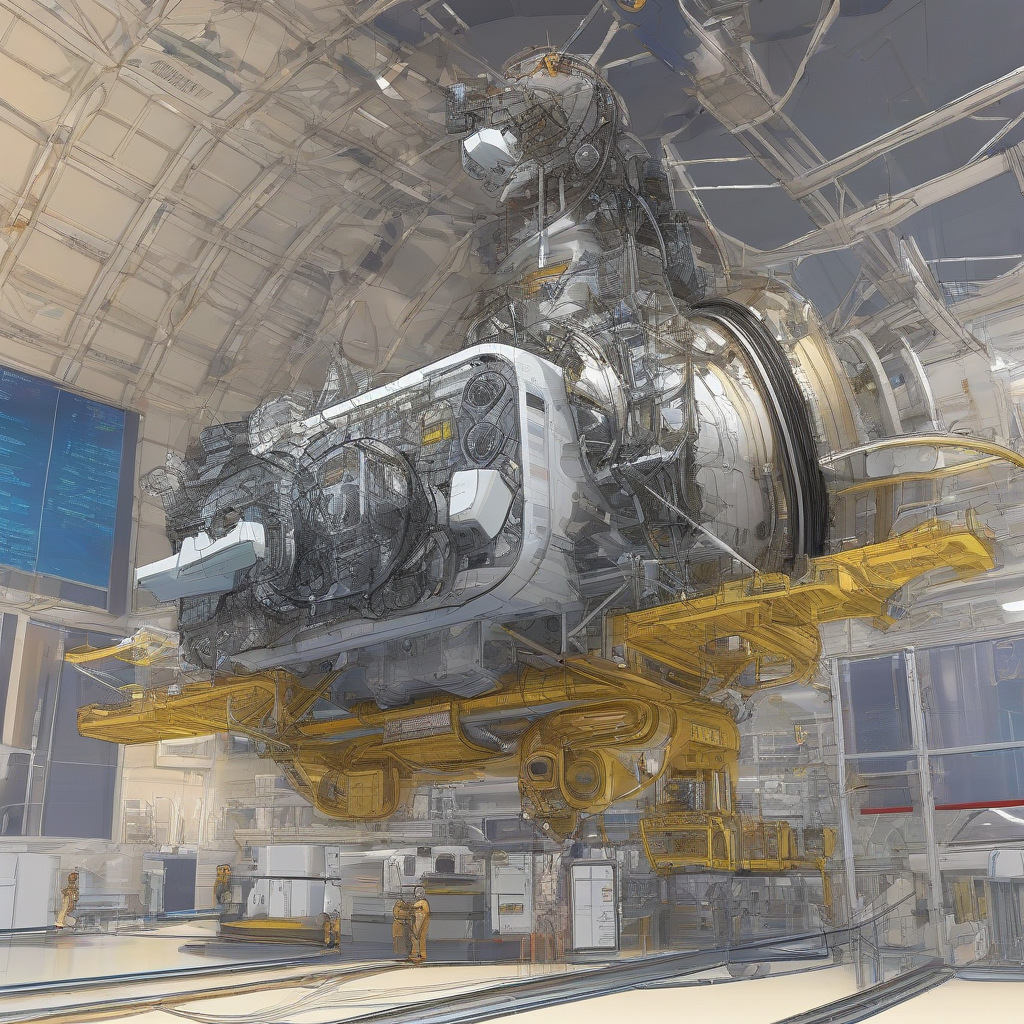
The Divergent Deployable Wastewater Treatment Facility is housed inside an 8.5-by-24-foot trailer, which was outfitted at NASA Kennedy to function as a deployable laboratory and to travel between at least two simulation test sites as the technology matures. The facility brings together three biological reactor systems, a vertical garden, water-polishing hardware, environmental monitoring, autonomous control software, and safety systems.
Unlike wastewater systems on Earth, this facility keeps waste streams separate. That divergent approach is important for small crews, because wastewater from four to eight people can be highly concentrated. Urine, hygiene water, laundry water, fecal waste, and food waste each contain different levels of salts, solids, carbon, nitrogen, phosphorus, and other compounds. Treating them separately allows each stream to be processed by the reactor best suited for the job.
The Three Bioreactors
The system uses three different bioreactors to treat waste streams. The Anaerobic Phototrophic Membrane Bioreactor processes fecal and food waste and converts it into a nutrient-rich wastewater that can support plant growth. The Suspended Aerobic Membrane Bioreactor processes urine and flush water. The Membrane Aerated Biological Reactor treats graywater from hygiene and laundry activities. Collectively, the bioreactors process nutrients to feed the facility's vertical garden and prepare the water for reuse.
The Vertical Garden
Inside the garden, crops will grow hydroponically, or without using soil, by using nutrient solutions derived from the bioreactors. Researchers will compare crop performance with plants grown using standard hydroponic nutrients.
Testing at the University of North Dakota
At North Dakota, under a NASA EPSCoR (Established Program to Stimulate Competitive Research) grant, the facility was connected to the Integrated Lunar/Martian Analog Habitat through a bathroom interface that includes a urine-diverting toilet. The setup will allow different waste streams to be separated at the source and sent to the correct treatment systems. In parallel, Ali Alshami's team is developing novel membrane-based separation technologies intended for future integration into the divergent wastewater facility to improve water recovery efficiency, contaminant rejection, and overall system resilience for long-duration habitation missions.
The Testing Campaign
"The tests will help NASA evaluate real-world operation, crew training needs, system reliability, and how wastewater simulants compare with actual human metabolic waste in an analog mission environment," said Alshami.
Lessons Learned and Future Implications
The work is part of NASA's broader Bioregenerative Life Support Systems effort, which is developing biological approaches to reduce dependence on Earth-supplied consumables. In future lunar or Martian habitats, systems like the wastewater treatment facility could help close life support loops by recovering water, recycling nutrients, supporting crop production, and reducing the amount of waste that must be stored or discarded.
In-Space Manufacturing
NASA researchers also are exploring how wastewater-recovered resources could support in-space manufacturing. One effort is studying how nutrient-rich water from bioregenerative wastewater systems could feed microbes that produce lactic acid, which can be turned into polylactic acid. The material could one day serve as a binder for 3D printing with lunar or Martian regolith, the loose, fragmental surface material, or could be used for replacement parts, extending the value of recovered waste beyond water and food systems.
Conclusion
By sending the facility from NASA Kennedy to North Dakota, the agency is moving a key part of that circular economy out of the lab and into a real-world test. The work may begin with wastewater, but its goal is much larger. We want to help future crews live sustainably on the Moon, learn how to operate farther from Earth, and carry those lessons forward to Mars.
Forward-Looking Thoughts
As NASA continues to push the boundaries of space exploration, the development of sustainable life support systems will be crucial to the success of future missions. The work being done on the Divergent Deployable Wastewater Treatment Facility is a critical step towards establishing a self-sustaining presence on the Moon and beyond. By closing life support loops and recovering resources, we can reduce our reliance on Earth-supplied consumables and create a more sustainable future for space exploration.