NASA Software Raises Bar for Aircraft Icing Research
The Cutting-Edge Technology Behind NASA's Ice Research
Imagine flying through a cloud, the air thick with water droplets that can pose a significant risk to aircraft. If not taken into consideration, these droplets can accumulate on an aircraft as ice, posing a safety risk to passengers and pilots. But NASA software tools, such as the Glenn Icing Computational Environment (GlennICE), are working to keep everyone safe.
The Legacy of Icing Research
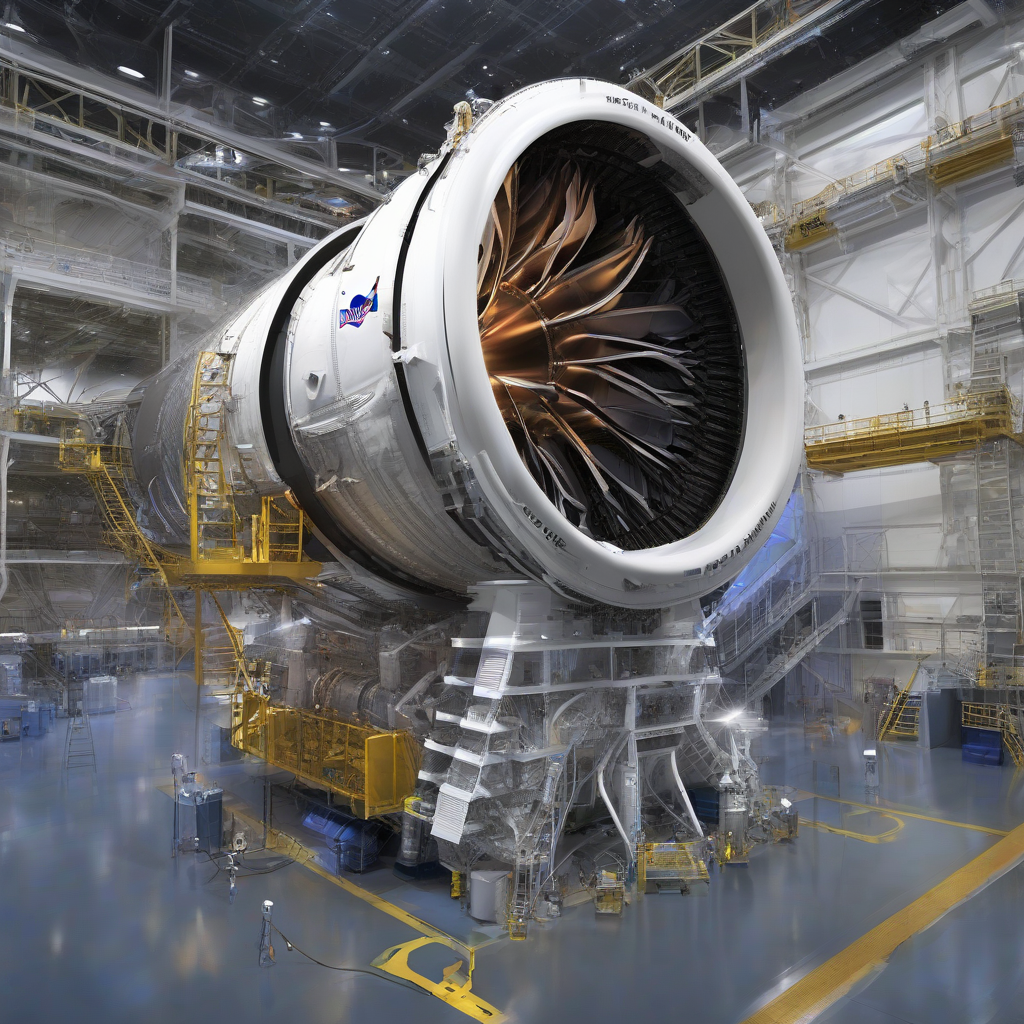
Icing research is fundamental to aviation safety, and NASA has been at the forefront of this field for decades. The agency's wind tunnels have world-class icing research capabilities not commonly found in aeronautics research. Paired with wind tunnel testing, GlennICE offers a holistic set of capabilities to researchers. While wind tunnels can verify and validate data with real-world models and conditions, tools like GlennICE can fill gaps in research not easily achieved with wind tunnels.
The Development of GlennICE
GlennICE is a new NASA software code that transforms the way we explore, understand, and prevent ice buildup on aircraft wings and engines, as well as control surfaces like rudders and elevators. The software is named after NASA's Glenn Research Center in Cleveland, where it was developed. GlennICE is part of NASA's work to provide the aviation industry with computational tools, including design software, to improve aircraft safety and enable innovation.
How GlennICE Works
Imagine an aircraft flying through a cloud, and some of those water and ice droplets hit the aircraft and some of them don't. GlennICE simulates these droplets and exactly where they will end up, both on the aircraft and not. When these water droplets hit the aircraft, they attach, freeze, and start to gather even more droplets that do the same. The software simulates exactly where this will occur, and what shape the ice will take over time.
The Benefits of GlennICE
GlennICE is designed for simulating droplets, researchers have expressed interest in using it to simulate other conditions involving sand and ash. These substances, when ingested by aircraft engines, can pose separate risks that aeronautical engineers work to prevent. With updated capabilities and a streamlined user experience, GlennICE will enable users to advance the state of the art – particularly researchers working on complex, unusual future aircraft designs.
The Future of Icing Research
The GlennICE development falls under NASA's Transformative Aeronautics Concept and Advanced Air Vehicles programs. Those programs supported GlennICE to further NASA's work on computational tool development for aerospace design. More about the history of icing research at NASA is available on the agency's website. The future of icing research is bright, with GlennICE leading the way in developing new and innovative solutions to prevent ice buildup on aircraft.
The Impact on the Aviation Industry
The aviation industry is constantly evolving, with new technologies and innovations emerging every day. GlennICE is a game-changer in the field of icing research, providing a powerful tool for researchers and engineers to design and test aircraft in a virtual environment. The impact of GlennICE on the aviation industry will be significant, with improved safety, efficiency, and performance.
Conclusion
GlennICE is a cutting-edge technology that is revolutionizing the field of icing research. With its advanced capabilities and streamlined user experience, it is poised to make a significant impact on the aviation industry. As researchers and engineers continue to develop and refine GlennICE, we can expect to see even more innovative solutions to prevent ice buildup on aircraft. The future of icing research is bright, and GlennICE is leading the way.
Related Terms
- Advanced Air Transport Technology
- Advanced Air Vehicles Program
- Aeronautics Research Mission Directorate
- Aerosciences Evaluation Test Capabilities
- Glenn Research Center
- NASA Centers & Facilities
- Transformational Tools Technologies
- Transformative Aeronautics Concepts Program
Explore More
- NASA Completes Nancy Grace Roman Space Telescope Construction
- Student Art Murals at Johnson Celebrate 25 Years of Humanity in Space
- NASA Astronaut Jonny Kim Advances Research Aboard Space Station
Source: https://www.nasa.gov/general/nasa-software-raises-bar-for-aircraft-icing-research/