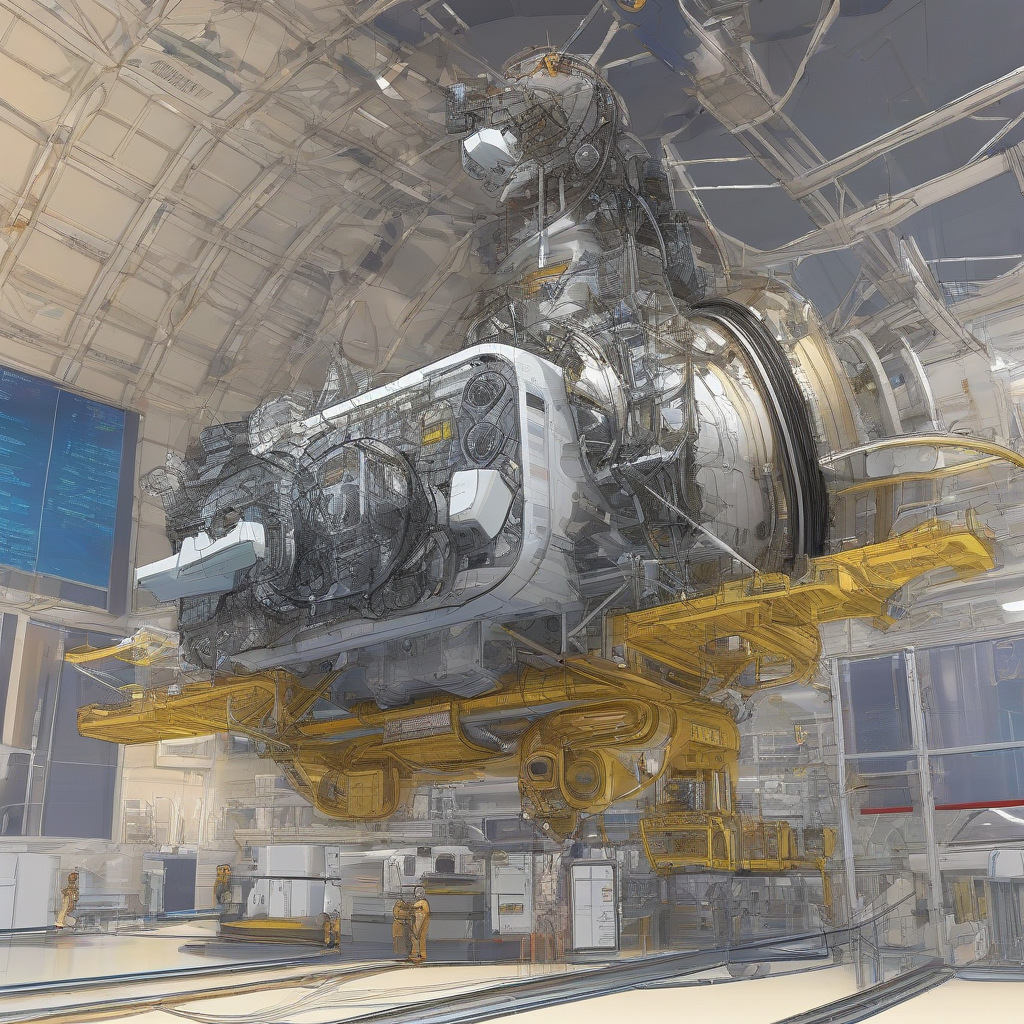
NASA Invites Media to Cover Artemis Mission from Johnson Space Center
A New Era of Space Exploration: Unpacking the Artemis II Mission
As the world watches with bated breath, NASA is gearing up for a historic milestone in space exploration – the Artemis II mission. This ambitious endeavor aims to send the first crewed spacecraft to the Moon since the Apollo era, marking a significant step towards establishing a sustainable presence on the lunar surface. In this article, we'll delve into the details of the Artemis II mission, its objectives, and what it means for the future of space travel.
The Artemis II Mission: A Glimpse into the Future
The Artemis II mission is a critical test flight that will send four astronauts – Reid Wiseman, Victor Glover, Christina Koch, and Jeremy Hansen – on an approximately 10-day journey around the Moon and back to Earth. This mission is a crucial step towards ensuring the safety and success of future lunar missions, including the eventual return of humans to the lunar surface.
The spacecraft, which will be launched on a Space Launch System (SLS) rocket, will carry a crew of four astronauts on a lunar flyby mission. During this time, the astronauts will conduct a series of scientific experiments, test the spacecraft's systems, and gather valuable data on the lunar environment.
Mission Control: The Heart of the Artemis II Mission
The Johnson Space Center in Houston, Texas, will serve as the primary mission control center for the Artemis II mission. Flight controllers will work tirelessly to manage the test flight, ensuring the safe and successful execution of the mission. The center will also host daily briefings with agency managers and mission experts, providing updates on the mission's progress.
International Media Accreditation: A Golden Opportunity
NASA is inviting international media to cover the Artemis II mission from the Johnson Space Center. Accredited media representatives will have the opportunity to witness the mission's progress firsthand, gaining valuable insights into the complexities of space exploration.
To apply for accreditation, international media must submit their applications by January 16, while U.S. media must apply by January 30. Media representatives must contact the NASA Johnson newsroom to receive a confirmation email once their application has been approved.
A New Era of Space Exploration: The Implications of Artemis II
The Artemis II mission marks a significant milestone in the history of space exploration, paving the way for new U.S.-crewed missions on the lunar surface. The mission's success will not only demonstrate the capabilities of the SLS rocket and the Orion spacecraft but also provide valuable insights into the challenges of long-duration spaceflight.
The Artemis program is a critical step towards establishing a sustainable presence on the lunar surface, with the ultimate goal of sending the first astronauts to Mars. The mission's success will depend on the careful planning, execution, and collaboration of multiple agencies, including NASA, the Canadian Space Agency, and other international partners.
The Future of Space Exploration: What's Next?
The Artemis II mission is just the beginning of a new era of space exploration. As NASA continues to push the boundaries of space travel, we can expect to see significant advancements in technology, scientific discoveries, and human exploration.
The success of the Artemis II mission will pave the way for future lunar missions, including the establishment of a sustainable presence on the lunar surface. The mission's success will also provide valuable insights into the challenges of long-duration spaceflight, which will be critical for future missions to Mars and beyond.
As we look to the future, it's clear that the Artemis II mission is a critical step towards establishing a new era of space exploration. With its ambitious objectives, cutting-edge technology, and international collaboration, the mission is poised to make significant contributions to our understanding of the universe and our place within it.
Conclusion
The Artemis II mission is a historic milestone in space exploration, marking a significant step towards establishing a sustainable presence on the lunar surface. The mission's success will depend on the careful planning, execution, and collaboration of multiple agencies, including NASA, the Canadian Space Agency, and other international partners.
As we look to the future, it's clear that the Artemis II mission is a critical step towards establishing a new era of space exploration. With its ambitious objectives, cutting-edge technology, and international collaboration, the mission is poised to make significant contributions to our understanding of the universe and our place within it.
Resources
For more information on the Artemis II mission, visit:
- NASA's Artemis II mission website: https://www.nasa.gov/mission/artemis-ii
- NASA's Johnson Space Center website: https://www.nasa.gov/centers/johnson
- NASA's media accreditation policy: https://www.nasa.gov/centers/johnson/newsroom/media-accreditation-policy