NASA Celebrates Artemis II During Houston Texans Space City Day
NASA Celebrates Artemis II During Houston Texans Space City Day
The National Aeronautics and Space Administration (NASA) made a significant splash in the city of Houston on January 4, 2026, as the Houston Texans faced off against the Indianapolis Colts during Space City Day at NRG Stadium. The event marked a convergence of football, exploration, and Houston pride, with NASA's Johnson Space Center taking center stage.
A Giant Leap for Space Exploration
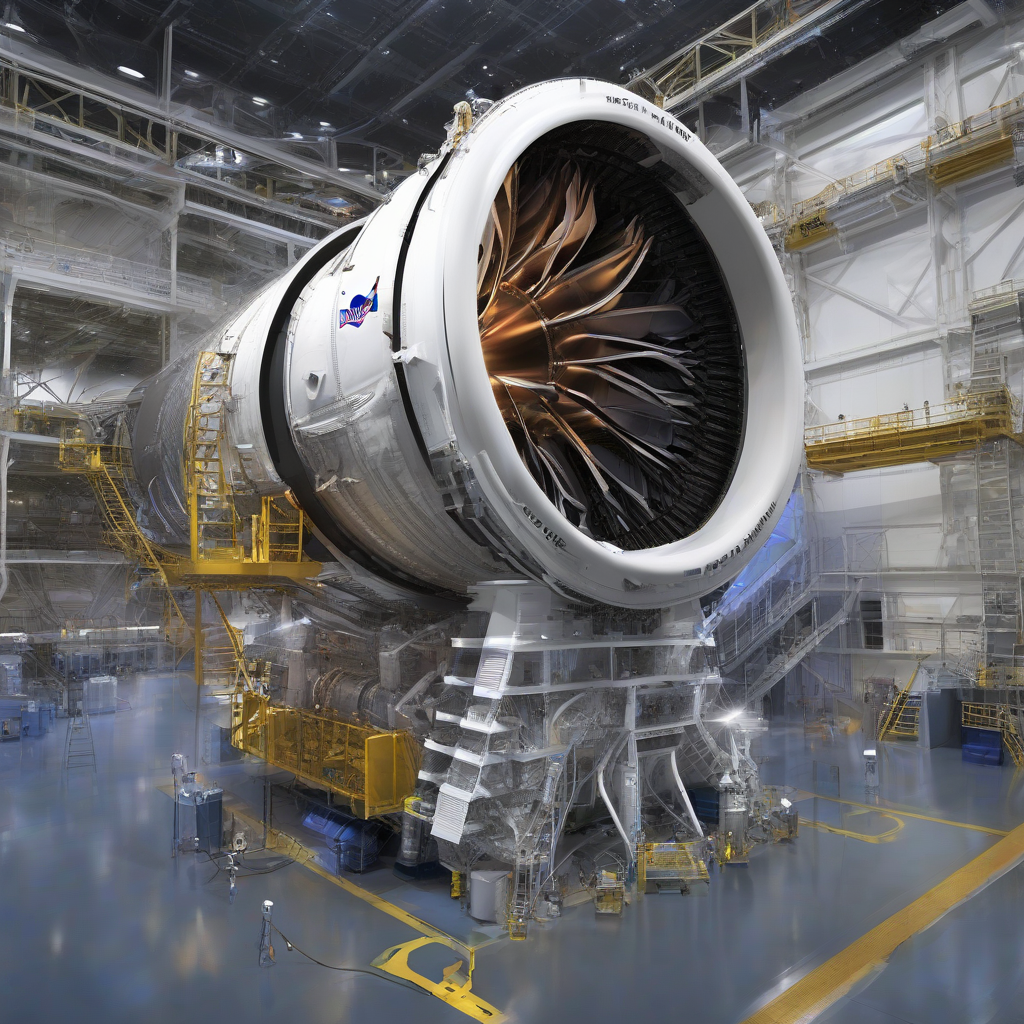
The Artemis II mission, which will send four astronauts around the Moon and back to Earth, was a major focus of the event. The mission aims to test Orion spacecraft systems in deep space and lay the groundwork for future lunar missions. NASA astronauts Reid Wiseman, Victor Glover, and Christina Koch, along with Canadian Space Agency (CSA) astronaut Jeremy Hansen, will embark on this historic journey.
Unfurling the American Flag
Before kickoff, 27 Johnson Space Center employees helped unfurl the U.S. flag for the national anthem, marking the start of an evening that blended football, exploration, and Houston pride. This poignant moment set the tone for the rest of the event, highlighting the strong connection between NASA and the city of Houston.
Engaging with Fans
On the BULLevard, Johnson Space Center employees engaged with fans at a NASA activation area, where visitors explored the agency's Mobile Exhibit Trailer and learned more about Artemis II. Team members answered questions and shared how NASA is preparing to send humans back to the Moon. This interactive experience allowed fans to get up close and personal with the latest advancements in space exploration.
A Message from the International Space Station
The International Space Station Program joined the celebration with a prerecorded message from the Expedition 74 crew, marking over 25 years of continuous human presence in low Earth orbit. This milestone highlights the incredible progress made in space exploration and the importance of continued investment in this field.
Space Innovation on the 50-Yard Line
NASA astronaut Zena Cardman highlighted how research aboard the International Space Station has led to innovations that benefit life on Earth, including applications now used in sports and athletic safety. Advances in materials developed for spacesuits and astronaut protection have influenced the design of modern helmets and padding, while cooling technologies originally created for extreme environments are used in training gear and protective equipment. This intersection of space innovation and sports technology is a testament to the boundless potential of space exploration.
A Symbolic Journey Around the Moon
During halftime, the Artemis Fueling the Fire video played on the stadium jumbotron, sharing NASA's plans to return humans to the Moon and marking a major step in the agency's Moon to Mars campaign. The video led into a live interview with Vanessa Wyche and Jessica Watkins, where Wyche discussed the Artemis II mission and Watkins highlighted similarities between astronaut training and football training. At the conclusion of the interview, the host invited fans to take part in NASA's "Send Your Name with Artemis II" initiative, which allows the public to have their names stored on a small chip aboard the Orion spacecraft during the mission.
Implications and Forward-Looking Thoughts
The convergence of football, exploration, and Houston pride during Space City Day highlights the importance of continued investment in space exploration. The Artemis II mission marks a significant step towards returning humans to the Moon and laying the groundwork for future lunar missions. As we look to the future, it is clear that space exploration will continue to drive innovation and push the boundaries of what is possible. The intersection of space innovation and sports technology is a testament to the boundless potential of space exploration, and we can only imagine the incredible advancements that will be made in the years to come.
Conclusion
The event marked a convergence of football, exploration, and Houston pride, with NASA's Johnson Space Center taking center stage. The Artemis II mission, which will send four astronauts around the Moon and back to Earth, was a major focus of the event. The mission aims to test Orion spacecraft systems in deep space and lay the groundwork for future lunar missions. As we look to the future, it is clear that space exploration will continue to drive innovation and push the boundaries of what is possible.