
The Big Picture
Support has quietly become one of the most important parts of the insurance experience. In Insurance, customers expect fast, accurate answers — and they notice when they do not get them. For insurance businesses, every customer conversation is a chance to build trust or lose it.
The Core Issue
Left unaddressed, limited business continuity compounds: queues grow, answers get inconsistent, and good people burn out. The issue shows up most clearly as Limited business continuity during holiday surges. For a Director of Customer Experience, limited business continuity is more than an inconvenience — it is a daily operational drag. When limited business continuity sets in, customers wait longer and satisfaction slips.
The Business Impact
Over time, limited business continuity translates directly into churn, negative reviews, and rising cost to serve. What looks like a support problem is often a revenue and retention problem in disguise. Every delayed answer chips away at confidence in your insurance brand.
The Solution
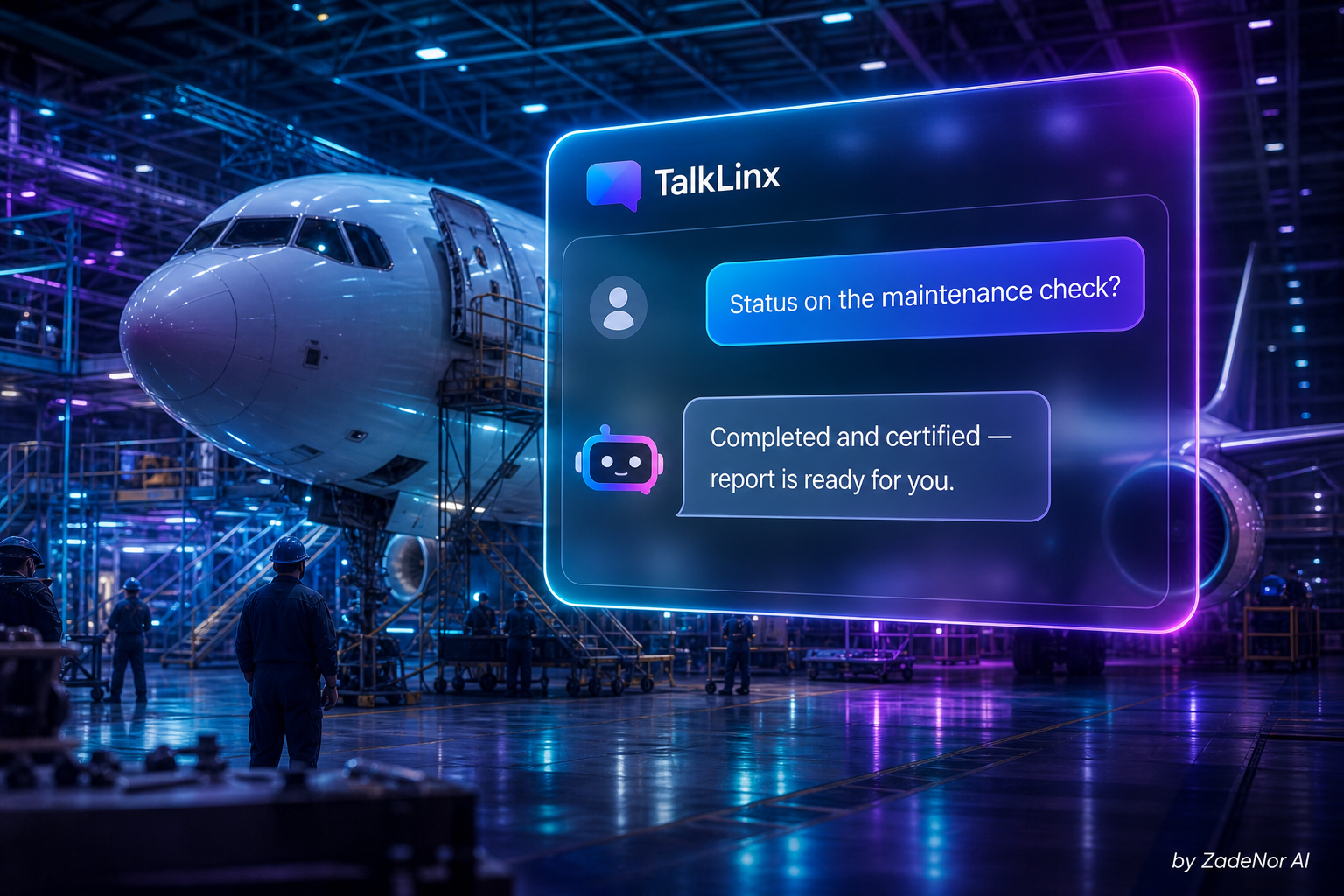
TalkLinx tackles this with Business continuity support: Keeps support running through staffing gaps, outages, and seasonal swings. Because business continuity support is part of the Operational Continuity capability set, it fits naturally into how insurance teams already work. Rather than another generic chatbot, TalkLinx grounds every answer in your own knowledge base. TalkLinx learns from your documents and past conversations, so answers stay accurate and on-brand.
The Bottom Line
The numbers follow the experience: faster resolution, higher satisfaction, and lower cost to serve. Teams using this approach see Better customer retention across the support lifecycle. For insurance businesses, that means better customer retention that customers can feel.
Where to Go Next
Make better customer retention across the support lifecycle the new normal for your business. Get started with TalkLinx, the AI support assistant from ZadeNor AI.
Over time, limited business continuity translates directly into churn, negative reviews, and rising cost to serve. What looks like a support problem is often a revenue and retention problem in disguise. Teams end up firefighting instead of focusing on the work that actually moves the business. The result is better customer retention, without adding headcount. Customers get instant, accurate answers; staff get time back for higher-value work. Support stops being a bottleneck and starts being a competitive advantage.
Teams end up firefighting instead of focusing on the work that actually moves the business. The cost of limited business continuity is rarely a single number — it is slower responses, frustrated customers, and lost opportunities. Every delayed answer chips away at confidence in your insurance brand. The result is better customer retention, without adding headcount. For insurance businesses, that means better customer retention that customers can feel.
Every delayed answer chips away at confidence in your insurance brand. The cost of limited business continuity is rarely a single number — it is slower responses, frustrated customers, and lost opportunities. Teams end up firefighting instead of focusing on the work that actually moves the business. The result is better customer retention, without adding headcount. The numbers follow the experience: faster resolution, higher satisfaction, and lower cost to serve. For insurance businesses, that means better customer retention that customers can feel.
Every delayed answer chips away at confidence in your insurance brand. Over time, limited business continuity translates directly into churn, negative reviews, and rising cost to serve. The numbers follow the experience: faster resolution, higher satisfaction, and lower cost to serve. The result is better customer retention, without adding headcount. Teams using this approach see Better customer retention across the support lifecycle.
Every delayed answer chips away at confidence in your insurance brand. Over time, limited business continuity translates directly into churn, negative reviews, and rising cost to serve. The numbers follow the experience: faster resolution, higher satisfaction, and lower cost to serve. The result is better customer retention, without adding headcount. Teams using this approach see Better customer retention across the support lifecycle.
Over time, limited business continuity translates directly into churn, negative reviews, and rising cost to serve. The cost of limited business continuity is rarely a single number — it is slower responses, frustrated customers, and lost opportunities. Customers get instant, accurate answers; staff get time back for higher-value work. Support stops being a bottleneck and starts being a competitive advantage. Teams using this approach see Better customer retention across the support lifecycle.
Over time, limited business continuity translates directly into churn, negative reviews, and rising cost to serve. Every delayed answer chips away at confidence in your insurance brand. Teams using this approach see Better customer retention across the support lifecycle. Customers get instant, accurate answers; staff get time back for higher-value work.
What looks like a support problem is often a revenue and retention problem in disguise. Over time, limited business continuity translates directly into churn, negative reviews, and rising cost to serve. Support stops being a bottleneck and starts being a competitive advantage. For insurance businesses, that means better customer retention that customers can feel.
For leaders, the real risk is strategic: support quality becomes a ceiling on growth. Teams end up firefighting instead of focusing on the work that actually moves the business. Customers get instant, accurate answers; staff get time back for higher-value work. The numbers follow the experience: faster resolution, higher satisfaction, and lower cost to serve.