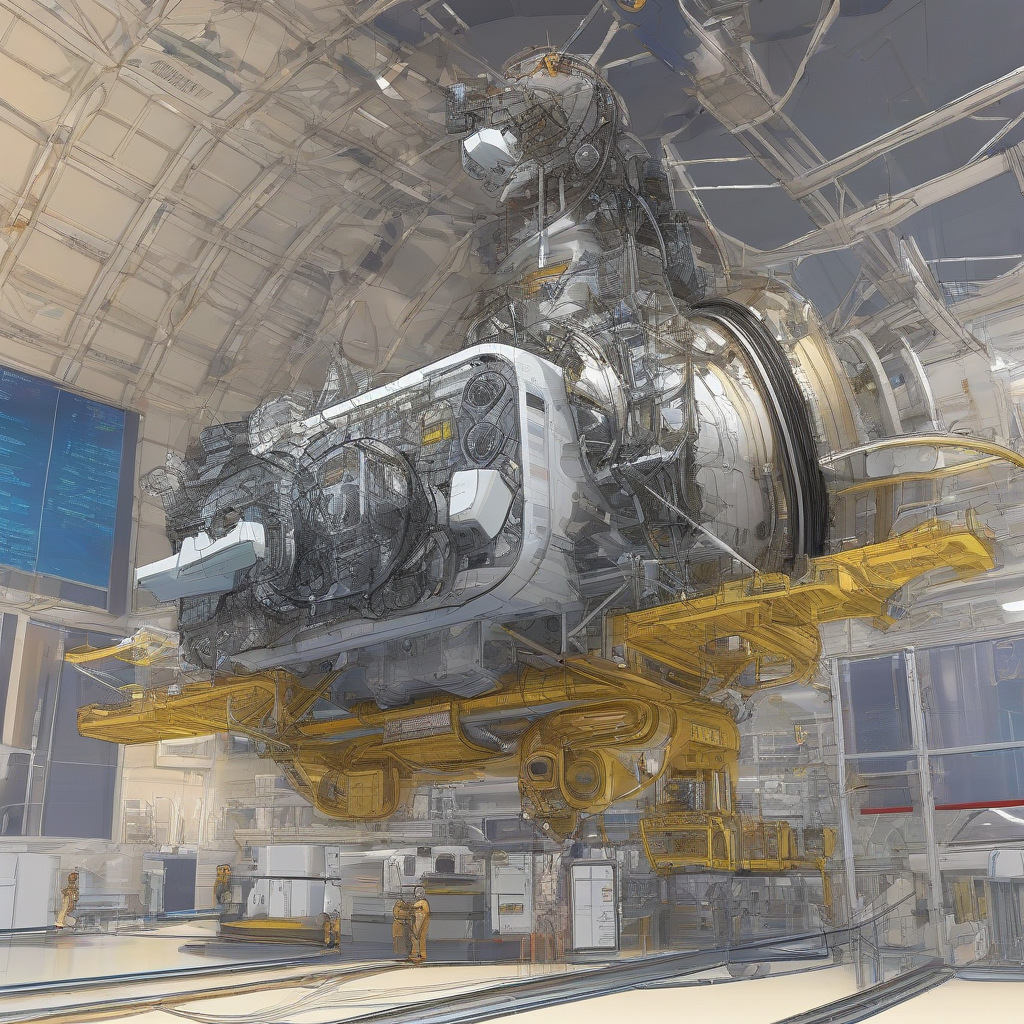
Inside Project Hail Mary
The Cosmic Collaboration: Unpacking Project Hail Mary
In a groundbreaking convergence of science and art, NASA's Jet Propulsion Laboratory (JPL) played host to a unique gathering of creatives and experts from the world of space exploration. The occasion was a visit from the team behind the movie adaptation of Andy Weir's bestselling novel, Project Hail Mary. This meeting marked a significant milestone in the intersection of science and storytelling, as the creative team delved into the intricacies of space travel and the human experience.
A Novel Approach to Storytelling
Andy Weir's novel, Project Hail Mary, has captivated readers worldwide with its gripping narrative of a lone astronaut's journey to save humanity from extinction. The book's success can be attributed to Weir's meticulous research and attention to detail, which brought the world of space exploration to life in a way that resonated with readers. The movie adaptation, directed by Phil Lord and Christopher Miller, promises to bring this story to the big screen in a visually stunning and thought-provoking way.
The Science Behind the Story
One of the key aspects of Project Hail Mary is its focus on the scientific aspects of space travel. The novel delves into the complexities of astrophysics, planetary science, and the challenges of space exploration. To ensure the accuracy and authenticity of the movie, the creative team consulted with subject matter experts from NASA and other space agencies. These experts provided valuable insights and guidance on topics such as spacewalk procedures, spacecraft design, and the effects of microgravity on the human body.
A Collaborative Effort
The collaboration between the creative team and NASA experts was a key factor in the success of Project Hail Mary. The team's willingness to learn and incorporate scientific accuracy into the story has resulted in a movie that is both entertaining and informative. This collaboration also highlights the importance of interdisciplinary approaches to storytelling, where science and art come together to create a richer and more engaging narrative.
The Human Factor
At the heart of Project Hail Mary is the human experience of space travel. The novel and movie explore the psychological and emotional challenges faced by astronauts on long-duration missions. The story delves into the complexities of human relationships, the effects of isolation, and the resilience of the human spirit. This emphasis on the human factor adds a layer of depth and complexity to the story, making it more relatable and engaging for audiences.
Implications and Applications
The success of Project Hail Mary has significant implications for the future of space exploration and storytelling. The movie's focus on scientific accuracy and authenticity sets a new standard for space-themed entertainment. This attention to detail also highlights the importance of interdisciplinary approaches to storytelling, where science and art come together to create a richer and more engaging narrative.
In terms of practical applications, Project Hail Mary has the potential to inspire a new generation of scientists, engineers, and explorers. The movie's emphasis on the human experience of space travel can also inform the development of more effective training programs and mission planning strategies for future space missions.
Forward-Looking Thoughts
As we look to the future of space exploration, Project Hail Mary serves as a reminder of the importance of collaboration and interdisciplinary approaches to storytelling. The movie's success highlights the potential for science and art to come together in a way that is both entertaining and informative. As we continue to push the boundaries of space exploration, we must also continue to push the boundaries of storytelling, incorporating new technologies and approaches to create a richer and more engaging narrative.
In conclusion, Project Hail Mary is a groundbreaking convergence of science and art that has the potential to inspire a new generation of scientists, engineers, and explorers. The movie's focus on scientific accuracy and authenticity sets a new standard for space-themed entertainment, while its emphasis on the human experience of space travel adds a layer of depth and complexity to the story. As we look to the future of space exploration, Project Hail Mary serves as a reminder of the importance of collaboration and interdisciplinary approaches to storytelling.
Source: https://www.nasa.gov/image-article/inside-project-hail-mary/