Picture This
The way a e-commerce last-mile operation runs its day says a lot about how confidently it can grow. Most e-commerce last-mile teams know the feeling: more loads than hours, and no room for a missed delivery. Dispatch and tracking have quietly become the place where e-commerce last-mile fleets win or lose hours — and money. In E-commerce Last-Mile, the pressure is constant: move more freight, keep promises on time, and protect margin on every trip. For e-commerce last-mile operations, the difference between a good day and a chaotic one often comes down to how the fleet is dispatched and tracked.
The Friction
When slow invoicing dragging out the cash cycle after a sudden surge in orders sets in, the day tightens and the risk of a late delivery grows. The issue shows up most clearly as Slow invoicing dragging out the cash cycle after a sudden surge in orders. It rarely starts as a crisis; slow invoicing dragging out the cash cycle after a sudden surge in orders builds quietly until a peak day makes it impossible to ignore. For a Lead Driver Management, slow invoicing dragging out the cash cycle after a sudden surge in orders is more than an inconvenience — it is a daily drag on margin and on-time performance. Left unaddressed, slow invoicing dragging out the cash cycle after a sudden surge in orders compounds: trucks idle, paperwork piles up, and customers start calling.
Enter FleetBlocks
FleetBlocks connects dispatch, routing, tracking, proof of delivery and finance, so the whole operation moves as one. Since per-trip margin visibility sits within the Finance capability set, it fits naturally into how e-commerce last-mile fleets already run. Rather than another spreadsheet, FleetBlocks puts every truck, every trip and every dollar on one calm screen.
The Mechanics
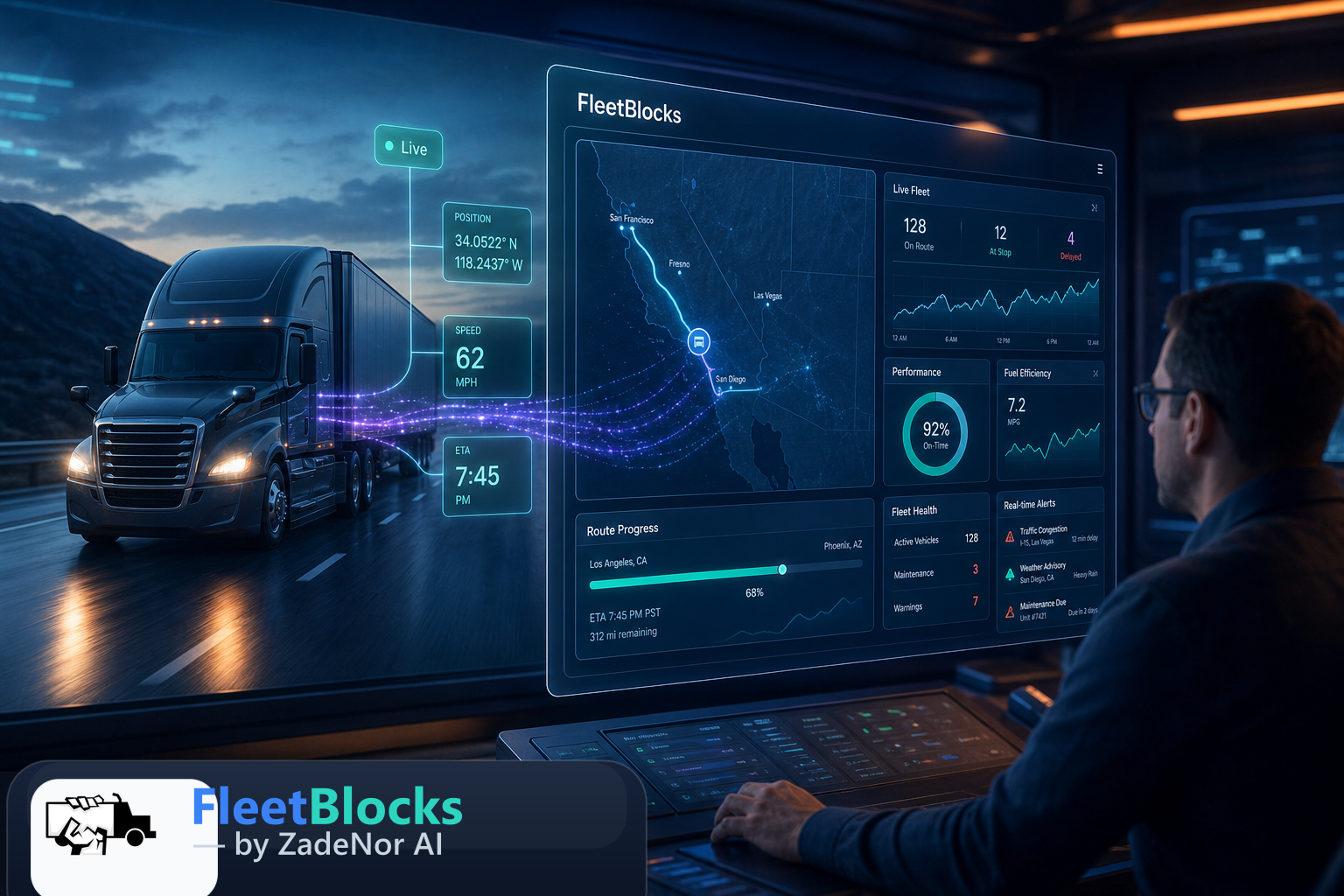
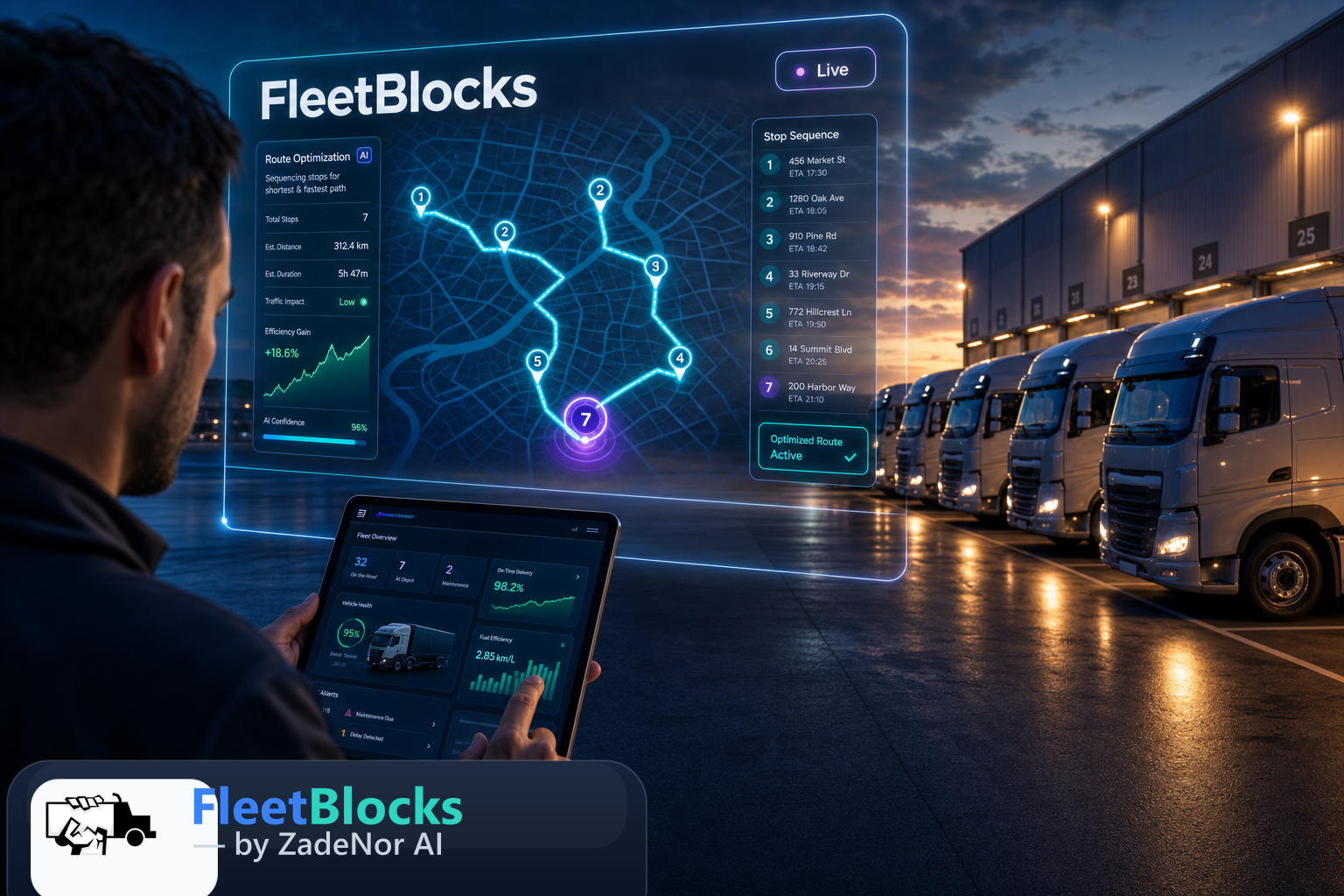
The AI routing engine sequences each multi-stop run for the shortest, fastest path, then you assign it on a shared dispatch board. When jobs are done, FleetBlocks raises invoices and runs prorated payroll — so you get paid faster with less back-office work. Behind the scenes, compliance and maintenance reminders flag expiring licences and service windows before they become a problem. Getting started is straightforward: bring in your jobs on the daily booking sheet or bulk-import them from Excel or CSV. As drivers roll out, the driver app streams live GPS back to dispatch and shares accurate ETAs with customers automatically.
What Changes
For e-commerce last-mile fleets, that means quicker customer onboarding the whole operation can rely on. The result is quicker customer onboarding, without trading away on-time performance or visibility. Teams using this approach see Quicker customer onboarding for repeat customers.
Explore FleetBlocks
Give your E-commerce Last-Mile fleet one calm screen. Try FleetBlocks — by ZadeNor AI — and watch dispatch, tracking, ePOD and payroll work together. Launch a working command center in minutes.
Teams end up firefighting instead of planning the most efficient, profitable runs. Over time, slow invoicing dragging out the cash cycle after a sudden surge in orders translates into wasted fuel, missed windows, and margin no operator wants to give away. The cost of slow invoicing dragging out the cash cycle after a sudden surge in orders is rarely a single number — it is empty miles, late drops, and avoidable disputes. Teams using this approach see Quicker customer onboarding for repeat customers. The numbers follow the rigour: fewer empty miles, more on-time drops, and a tidier back office. The result is quicker customer onboarding, without trading away on-time performance or visibility.
Every hour lost to slow invoicing dragging out the cash cycle after a sudden surge in orders is an hour not spent moving freight or serving the customer. Teams end up firefighting instead of planning the most efficient, profitable runs. For owners, the real risk is strategic: operational drag becomes a ceiling on the freight the fleet can take on. Operations stop being a daily scramble and start being a competitive advantage. The numbers follow the rigour: fewer empty miles, more on-time drops, and a tidier back office.
Teams end up firefighting instead of planning the most efficient, profitable runs. Over time, slow invoicing dragging out the cash cycle after a sudden surge in orders translates into wasted fuel, missed windows, and margin no operator wants to give away. For owners, the real risk is strategic: operational drag becomes a ceiling on the freight the fleet can take on. Operations stop being a daily scramble and start being a competitive advantage. The numbers follow the rigour: fewer empty miles, more on-time drops, and a tidier back office. The result is quicker customer onboarding, without trading away on-time performance or visibility.
The cost of slow invoicing dragging out the cash cycle after a sudden surge in orders is rarely a single number — it is empty miles, late drops, and avoidable disputes. Teams end up firefighting instead of planning the most efficient, profitable runs. Teams using this approach see Quicker customer onboarding for repeat customers. For e-commerce last-mile fleets, that means quicker customer onboarding the whole operation can rely on.