I Am Artemis: Rebekah Tolatovicz
I Am Artemis: Rebekah Tolatovicz
A Mechanical Technician Lead on the Frontlines of Space Exploration
At NASA's Kennedy Space Center in Florida, a team of skilled technicians is working tirelessly to ensure the success of the Artemis program, a historic mission to return humans to the Moon by 2025. Among them is Rebekah Tolatovicz, a mechanical technician lead who has spent the last nine years working on the Orion spacecraft, the crew vehicle that will carry astronauts on this groundbreaking journey.
Tolatovicz's journey to becoming a key player in the Artemis program began with an internship at Lockheed Martin through Eastern Florida State College's aerospace technician program. She was mentored by experienced technicians who had worked on the space shuttle program, and she quickly discovered her passion for the work.
"I didn't think I was going to make it at first," Tolatovicz said in an interview. "But if you come in with a good attitude and want to learn, there's so much you can learn from these guys. They have decades of knowledge to share. Once I got down on the floor and was working with them hands-on, I knew I could figure it out."
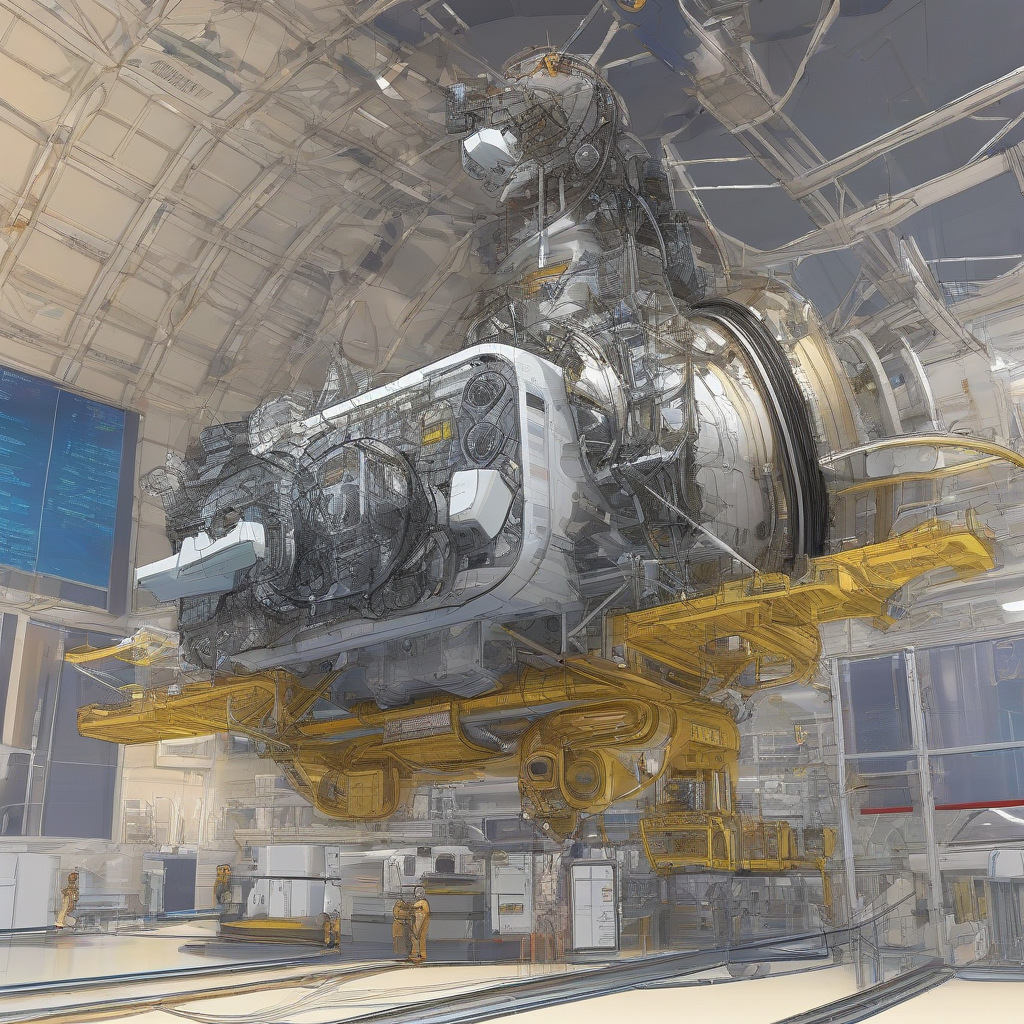
Tolatovicz's hands-on approach has been instrumental in her success. She has worked on various aspects of the Orion spacecraft, from installing giant parts and titanium pieces to final integration, where she installs the tiniest little components. Her work has been crucial in preparing the spacecraft for its maiden voyage, and she has played a key role in the Artemis II mission, which carried four astronauts on a mission around the Moon.
"It's really amazing for me to be a part of NASA's history and the next step," Tolatovicz said. "I just really love my job, the team, and working through challenges. You don't think about it when you're putting things on, but then you get to tell somebody else that you installed the thrusters for the spacecraft, and you realize – man, that's pretty cool."
The Importance of Human Spaceflight
The Artemis program is not just about sending humans to the Moon; it's about using space exploration to advance our understanding of the universe and to improve life on Earth. By studying the Moon's surface and its resources, scientists can gain insights into the formation and evolution of our solar system.
The Artemis program also has practical implications for humanity. The technologies developed for this mission will have spin-off benefits for various industries, from healthcare to energy. For example, the advanced life support systems developed for the Orion spacecraft can be used to create sustainable habitats for future human settlements on the Moon and Mars.
The Role of Women in Space Exploration
Rebekah Tolatovicz is part of a growing community of women in space exploration. Women like Sally Ride, who became the first American woman in space in 1983, and Mae Jemison, who became the first African American woman in space in 1992, have paved the way for future generations of women in STEM fields.
Tolatovicz's story is a testament to the power of perseverance and determination. She has faced challenges and setbacks throughout her career, but she has never given up on her dreams. Her success is a reminder that anyone can achieve their goals with hard work and dedication.
Conclusion
The Artemis program is a historic mission that will take humans back to the Moon by 2025. Rebekah Tolatovicz, a mechanical technician lead, is one of the key players in this mission. Her story is a testament to the power of human spaceflight and the importance of advancing our understanding of the universe.
As we look to the future, we must continue to invest in space exploration and development. The technologies developed for this mission will have spin-off benefits for various industries, from healthcare to energy. We must also continue to support and empower women in STEM fields, like Tolatovicz, who are paving the way for future generations of space explorers.
The Artemis program is not just about sending humans to the Moon; it's about using space exploration to advance our understanding of the universe and to improve life on Earth. By working together, we can achieve great things and create a better future for all humanity.
Source: https://www.nasa.gov/missions/artemis/i-am-artemis/i-am-artemis-rebekah-tolatovicz/