I Am Artemis: Jesse Berdis
The Artemis Dream: Jesse Berdis's Journey to the Moon
Jesse Berdis's dream of becoming a structural engineer began with visions of skyscrapers rising above the Dallas and Oklahoma skyline. Today, that dream has soared beyond city limits, reaching towering heights at the agency's Kennedy Space Center in Florida. As the deputy project manager for mobile launcher 1 for the agency's Artemis II mission, Berdis has played a crucial role in preparing for the historic crewed Moon mission.
A Path Unplanned
Berdis's path to NASA was anything but planned. While attending an engineering leadership conference in Orlando, he left a copy of his resume with NASA recruiters. Four weeks later, that simple gesture turned into a life-changing opportunity: a role at Kennedy as a launch infrastructure engineer with the Exploration Ground Systems Program, working on Artemis I, the uncrewed test flight of SLS and Orion.
The Mobile Launcher: A Backbone for Space Exploration
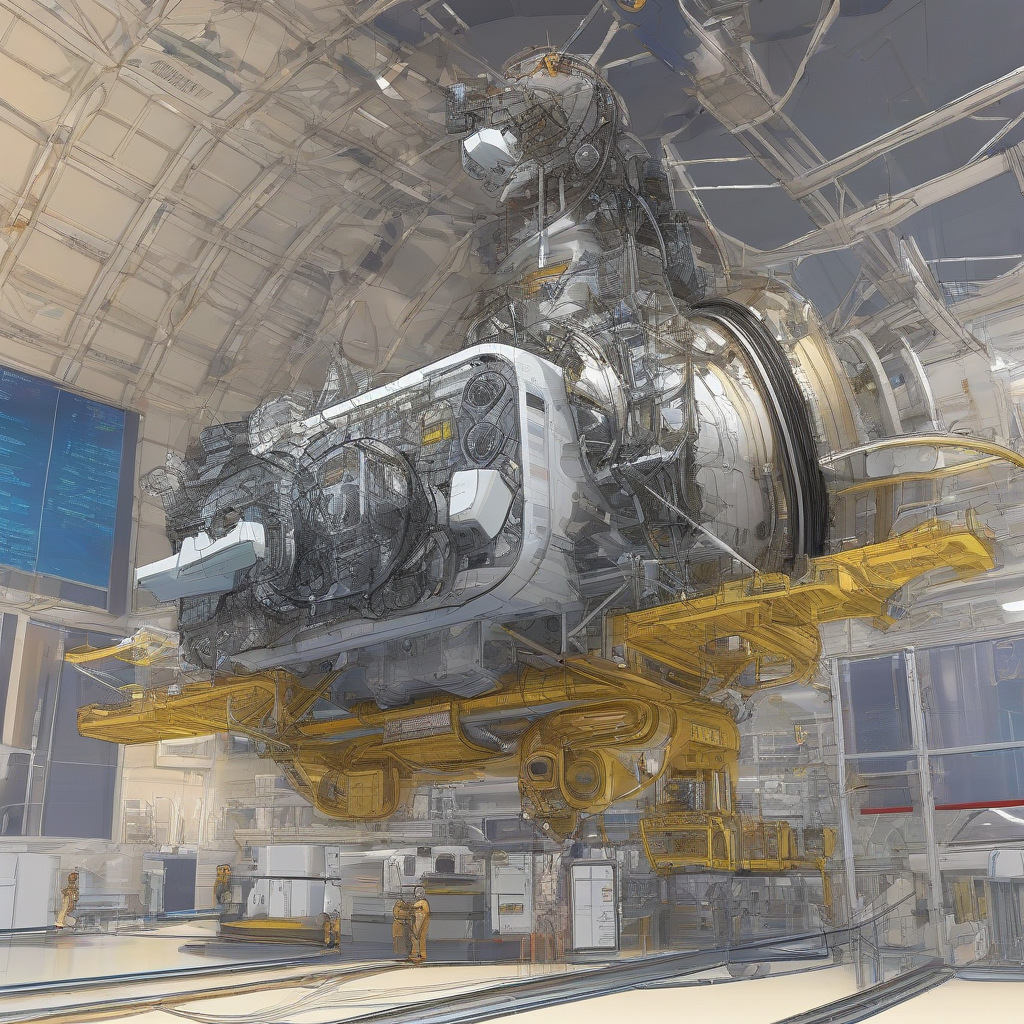
The mobile launcher serves as a backbone to the SLS (Space Launch System) rocket and Orion spacecraft for the Artemis missions before and during launch. It is designed to support the integration, testing, and checkouts of the rocket and spacecraft, in addition to serving as the structural platform, or as Berdis calls it, "the shoulders, at liftoff." Standing more than 400 feet tall, the mobile launcher houses the umbilicals that provide power, communications, coolant, fuel, and stabilization prior to launch, as well as access for the Artemis II crew to safely board Orion.
An Unforgettable Impression
When Berdis first arrived on center, the sight of massive ground systems left an unforgettable impression. To him, these weren't just structures, they were skyscrapers for space exploration. The mobile launcher, in particular, was a marvel of engineering that left him in awe.
Preparing for Artemis II
After the historic launch of Artemis I, Berdis and his team turned their focus to an even greater challenge: preparing for Artemis II, NASA's first crewed Moon mission in more than 50 years. One of the most critical upgrades for Artemis II is the emergency egress system, an abort system for personnel to use in the unlikely event of an emergency at the launch pad. Located on the 274-foot level of the mobile launcher, four baskets will provide a rapid escape route from the mobile launcher to the base of the pad in case of emergency, using electromagnetic braking technology.
A True Feat of Humanity
"That is a true feat of humanity: someone putting all of their passion into these systems to make it all come together at T-0," Berdis said. The Artemis II mission is a testament to the ingenuity and determination of the team working on it.
Landers and Ground Operations
Berdis recently set his sights on the Artemis human landing system lander ground operations, to develop and maintain an integrated schedule. Under his leadership, the team ensures accuracy of combined schedules, risks, and insights, ensuring the ground operations and human lander development remain in sync.
Implications and Applications
The Artemis program has far-reaching implications for space exploration and development. The success of the Artemis II mission will pave the way for future crewed missions to the Moon and beyond. The technologies developed for the Artemis program will also have practical applications in areas such as Earth observation, communication, and navigation.
Conclusion
Jesse Berdis's journey to the Moon is a testament to the power of determination and hard work. As the deputy project manager for mobile launcher 1 for the agency's Artemis II mission, he has played a crucial role in preparing for the historic crewed Moon mission. The Artemis program has far-reaching implications for space exploration and development, and its success will pave the way for future crewed missions to the Moon and beyond.
Forward-Looking Thoughts
As the Artemis program continues to evolve, it will be exciting to see the developments that come out of it. The technologies developed for the Artemis program will have practical applications in areas such as Earth observation, communication, and navigation. The success of the Artemis II mission will also pave the way for future crewed missions to the Moon and beyond. As Berdis said, "That is a true feat of humanity: someone putting all of their passion into these systems to make it all come together at T-0."
Source: https://www.nasa.gov/missions/artemis/artemis-2/i-am-artemis-jesse-berdis/