I Am Artemis: Jen Madsen and Trey Perryman
The Unseen Heroes of Space Exploration: Jen Madsen and Trey Perryman
As the world watches with bated breath as NASA's Artemis II mission hurtles towards the moon, there are unsung heroes working tirelessly behind the scenes to ensure the success of this historic endeavor. Meet Jen Madsen and Trey Perryman, the leaders of the Orion Mission Evaluation Room (MER), who are responsible for monitoring and analyzing the spacecraft's systems and performance in real-time.
A New Era in Space Exploration
The Artemis II mission marks a significant milestone in NASA's efforts to return humans to the moon by 2025. With the Orion spacecraft carrying four astronauts around the lunar body, the stakes are higher than ever before. The MER team, led by Madsen and Perryman, plays a critical role in ensuring the crew's safety and mission success.
The Orion Mission Evaluation Room: A Hub of Activity
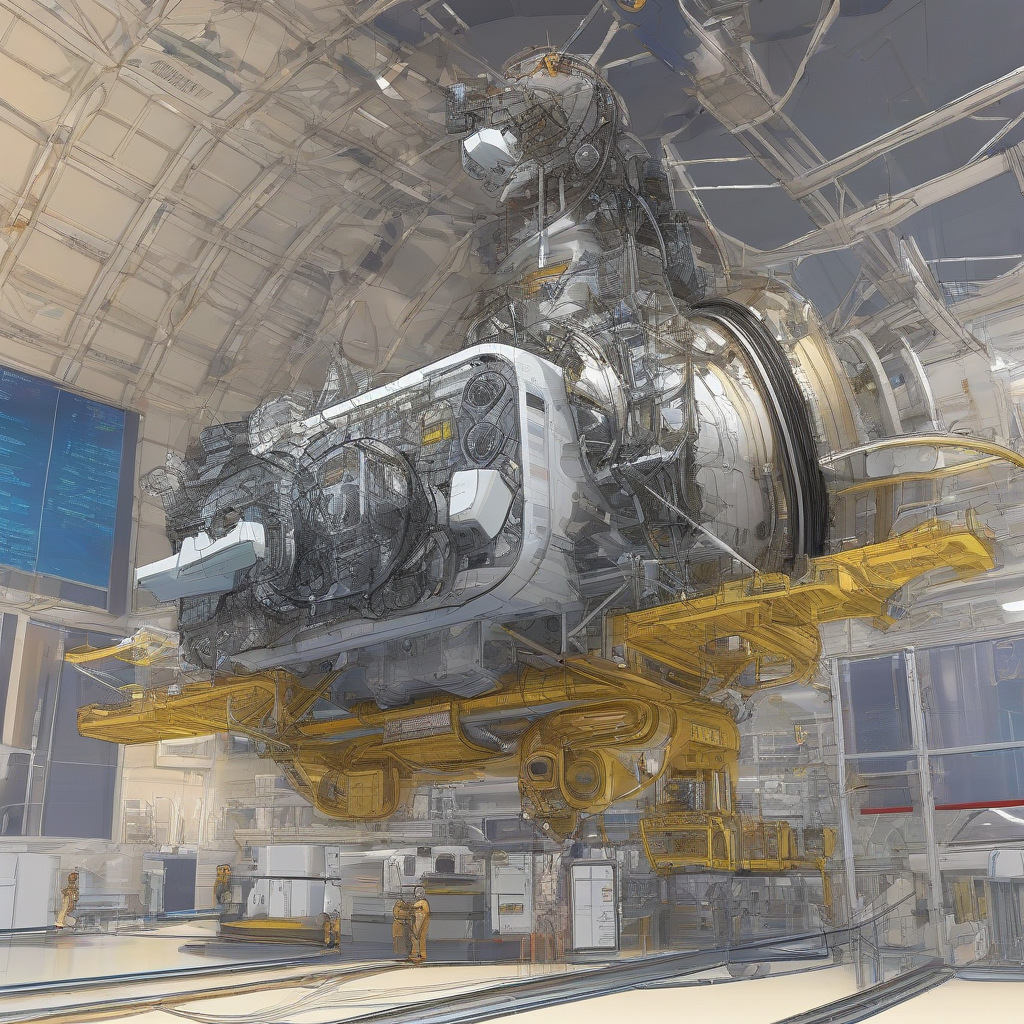
Located inside the Mission Control Center at NASA's Johnson Space Center in Houston, the MER is a bustling hub of activity. The room is equipped with dozens of consoles, each staffed by expert engineers from NASA, Lockheed Martin, the European Space Agency (ESA), and Airbus. Madsen and Perryman are responsible for organizing, training, and executing the entire team, as well as communicating the findings of the MER to program and agency leadership.
A Perfect Balance of Energy and Structure
Madsen and Perryman's co-leadership styles complement each other perfectly. Perryman leads with energy and team spirit, while Madsen brings a steadiness and structure. "We balance each other out," Madsen said. "And that balance is reflected in our team."
A Personal Connection to the Mission
For Perryman, a former flight controller with a background in space shuttle and space station operations, the MER represents the culmination of a career in human spaceflight that's personal. "I couldn't imagine being anywhere else right now," Perryman said. "My wife and I have four boys, and my boys are very excited about Artemis...that's meaningful to me. And they like seeing a father who's really connected to this mission."
A Legacy of Operating the Vehicle
Madsen began her NASA career in engineering, designing and simulating Orion's guidance, navigation, and control systems early on in the program. "I spent many years doing computer simulations, writing code, doing analysis... we designed, built, and tested Orion," Madsen said. "So now it's amazing to me to get to be a part of the legacy of operating the vehicle."
A Sense of Importance and Mindfulness
For both leaders, the Artemis II mission is more than technical. With crew flying aboard the spacecraft, it's deeply human. "I do feel an extra sense of importance and mindfulness about what we're doing in this building," Perryman said, "making sure — specifically in the Orion MER — that we understand how the vehicle supports the crew, because it is so important to return them home safely."
A Family Affair
"We all feel like Reid, Victor, Christina, and Jeremy are part of the Orion family," Madsen said. "When we have discussions about risk, from design all the way through operations, we're thinking about our friends aboard the spacecraft."
The Future of Space Exploration
As the Artemis II mission hurtles towards the moon, the MER team is working tirelessly to ensure the success of this historic endeavor. With the stakes higher than ever before, the team's dedication and expertise are crucial to the mission's success. As Madsen and Perryman look to the future, they know that the Artemis program is just the beginning of a new era in space exploration.
Implications and Real-World Applications
The Artemis program has significant implications for the future of space exploration. With the goal of returning humans to the moon by 2025, the program will pave the way for further human exploration of the solar system. The Orion spacecraft, which is being used for the Artemis II mission, is designed to take humans to the moon and beyond. The success of the Artemis program will also have significant implications for the development of new technologies and the advancement of scientific knowledge.
Conclusion
The Artemis II mission is a historic endeavor that marks a significant milestone in NASA's efforts to return humans to the moon. With the Orion spacecraft carrying four astronauts around the lunar body, the stakes are higher than ever before. The MER team, led by Madsen and Perryman, plays a critical role in ensuring the crew's safety and mission success. As the world watches with bated breath, the MER team is working tirelessly to ensure the success of this historic endeavor.
Source: https://www.nasa.gov/missions/artemis/i-am-artemis/i-am-artemis-jen-madsen-and-trey-perryman/