I Am Artemis: Grace Lauderdale
The Unsung Heroes of Space Exploration: An Inside Look at the Orion Mission Simulator
As the world watches with bated breath as NASA's Artemis program inches closer to its historic goal of returning humans to the lunar surface, a team of unsung heroes is working tirelessly behind the scenes to ensure the success of this ambitious endeavor. At the heart of this effort is the Orion Mission Simulator, a cutting-edge training facility that has been instrumental in preparing the Artemis II crew and flight control team for the challenges they will face on their mission around the Moon.
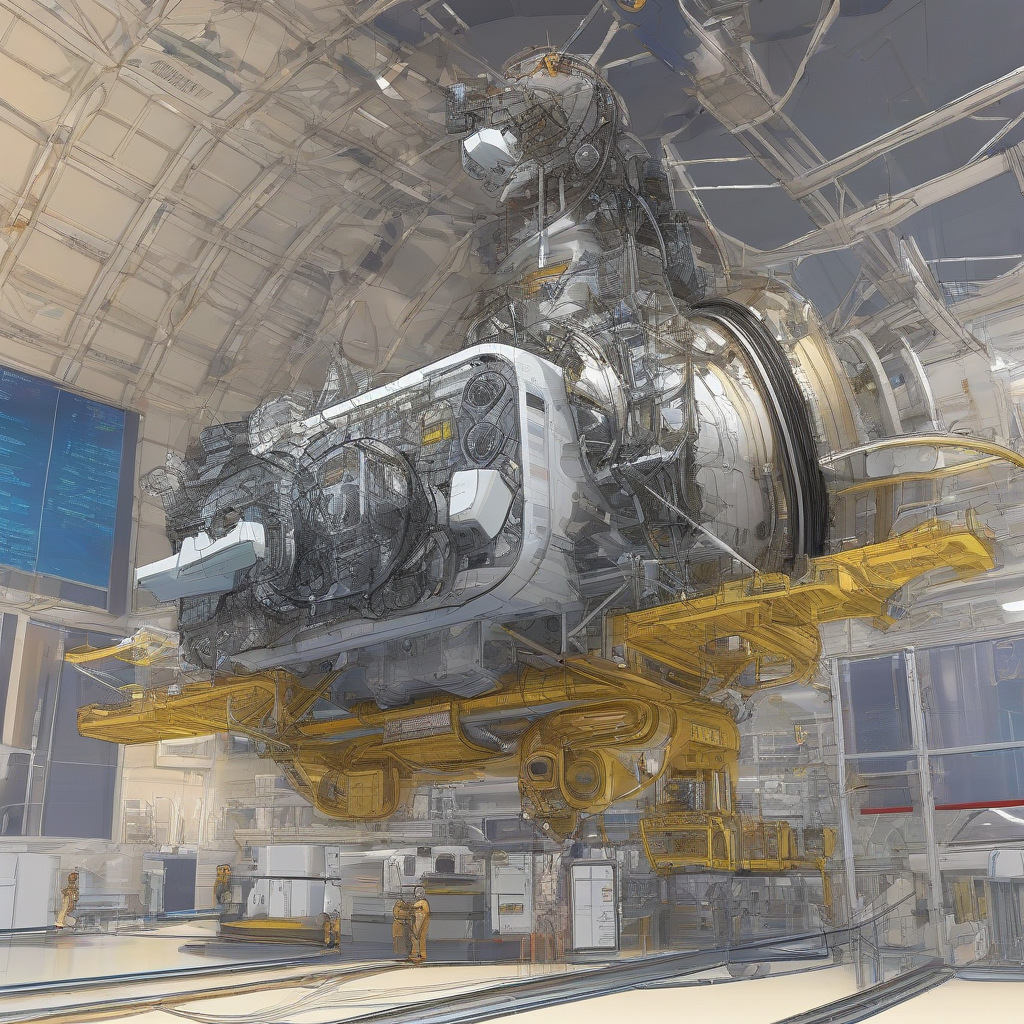
Located at NASA's Johnson Space Center in Houston, the Orion Mission Simulator is a state-of-the-art facility that replicates the exact conditions that the crew will experience during their mission. From the moment the spacecraft lifts off from Earth to the moment it splashes down in the Pacific Ocean, every aspect of the mission is simulated with uncanny accuracy. The simulator is a marvel of modern technology, using advanced software and hardware to create a realistic and immersive environment that challenges the crew to perform at their best.
At the helm of this operation is Grace Lauderdale, the exploration project manager for the Training Systems Office at NASA Johnson. With a passion for space exploration that dates back to her childhood, Lauderdale has dedicated her career to ensuring that the crew and flight control team are as prepared as possible for the challenges they will face on their mission. Her team works tirelessly to develop and operate the Orion Mission Simulator, pushing the boundaries of what is possible in terms of realism and immersion.
The Simulator: A Realistic and Immersive Environment
The Orion Mission Simulator is a complex system that uses advanced software and hardware to create a realistic and immersive environment. The simulator is connected directly to Johnson's Mission Control Center, sending real-time data, audio, and video to the flight control team. This allows the team to see and hear exactly what they would during the mission, creating a sense of realism that is unmatched in any other training facility.
The simulator is also equipped with a sophisticated software system that simulates the near space and deep space networks, including all the communication delays. This allows the crew to practice communicating with Mission Control in real-time, preparing them for the challenges they will face during their mission.
The Team: Working Behind the Scenes
While the crew and flight control team are the stars of the show, the team that works behind the scenes to develop and operate the Orion Mission Simulator is equally important. Lauderdale's team is made up of experts in software development, hardware engineering, and training design, all working together to create a realistic and immersive environment.
The team works tirelessly to develop and test the simulator, pushing the boundaries of what is possible in terms of realism and immersion. They also work closely with the crew and flight control team to ensure that the simulator is meeting their needs and preparing them for the challenges they will face on their mission.
The Challenges: Preparing for the Unexpected
One of the biggest challenges that the team faces is preparing the crew and flight control team for the unexpected. In space exploration, things don't always go according to plan, and the team must be prepared to respond to unexpected challenges and malfunctions.
To prepare for this, the team simulates problems that could occur during the mission, some of which require creative solutions. They also work with the crew and flight control team to develop contingency plans and emergency procedures, ensuring that they are as prepared as possible for any eventuality.
The Passion: A Dream Realized
For Lauderdale and her team, working on the Orion Mission Simulator is not just a job - it's a dream realized. They have dedicated their careers to ensuring that the crew and flight control team are as prepared as possible for the challenges they will face on their mission, and they take pride in knowing that their work is helping to make history.
As the Artemis program inches closer to its historic goal of returning humans to the lunar surface, the team at the Orion Mission Simulator is working tirelessly behind the scenes to ensure the success of this ambitious endeavor. With their passion, expertise, and dedication, they are helping to make the impossible possible, and their work will be remembered for generations to come.
The Future: Looking Ahead
As the Artemis program continues to push the boundaries of space exploration, the team at the Orion Mission Simulator will continue to play a critical role in preparing the crew and flight control team for the challenges they will face on their mission. With their expertise and dedication, they will help to ensure the success of this historic endeavor, and their work will pave the way for future generations of space explorers.
In the words of Lauderdale, "Being part of getting us back to the Moon is very personal to me, and I'm proud to be part of the team that will help get our astronauts there." The team at the Orion Mission Simulator is indeed making history, and their work will be remembered for generations to come.
Source: https://www.nasa.gov/missions/artemis/i-am-artemis/i-am-artemis-grace-lauderdale/