Where Things Stand
In software, your search is compared not just to peers but to the best retrieval experience anyone has ever used. The enterprise it teams market rewards those who can retrieve the right result fast and keep costs sane. Across Enterprise & Knowledge, the bar for relevance, speed and scale keeps rising. Corpora grow relentlessly, and a search stack that cannot keep up drags on the whole product.
The New Baseline
Anything a search box cannot understand or retrieve quickly now feels broken. The modern standard is simple: understand the query, retrieve the right result fast, and cite where the answer came from. They want results that reflect meaning, not just matching keywords, with answers they can trust. Semantic, AI-grounded retrieval is the new default; users expect the system to understand, not just match.
Where It Breaks Down
A recurring challenge for enterprise it teams is paying. The issue shows up most clearly as Paying for idle capacity between traffic spikes during onboarding. When paying sets in, users give up and the product quietly loses trust.
A New Operating Model
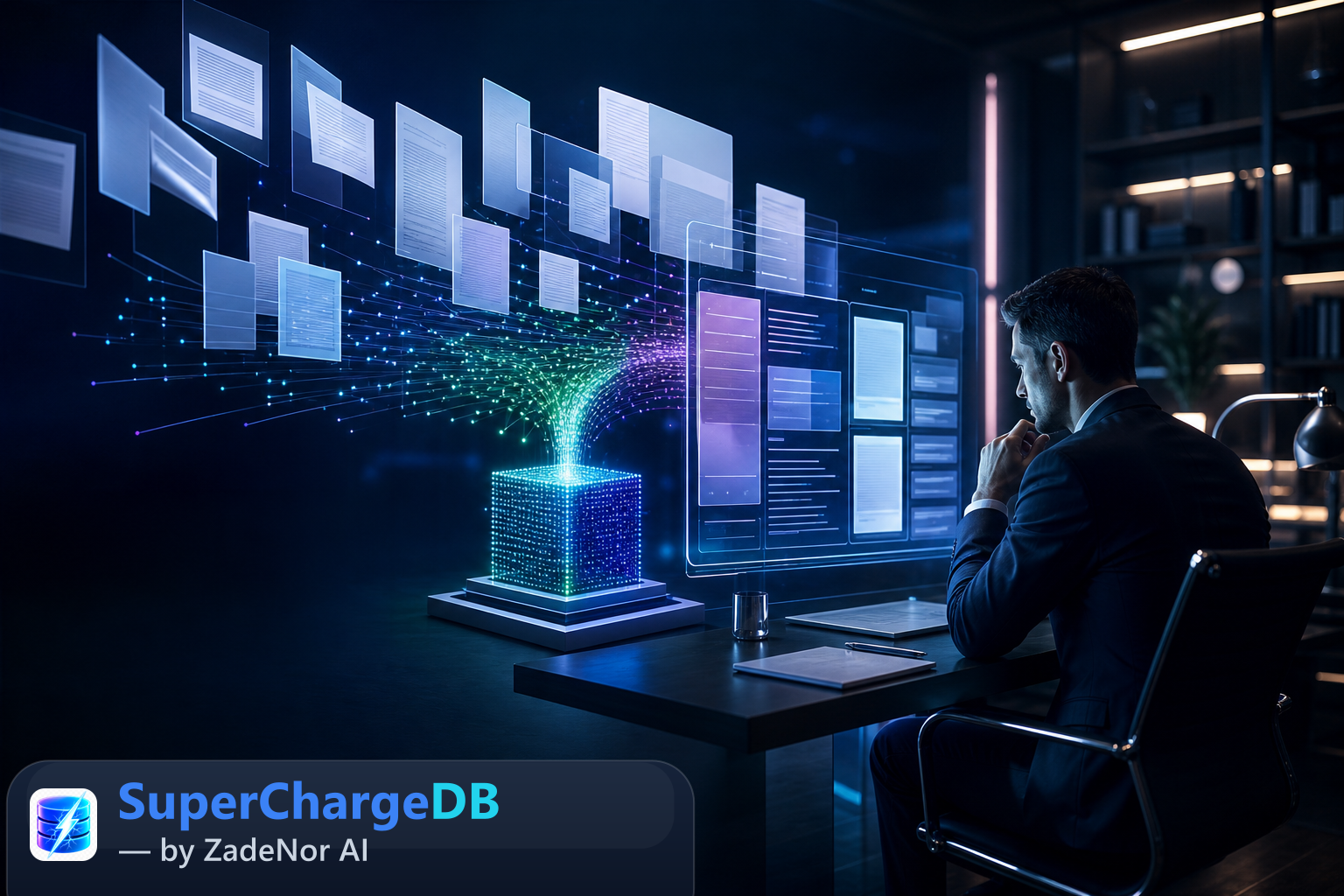
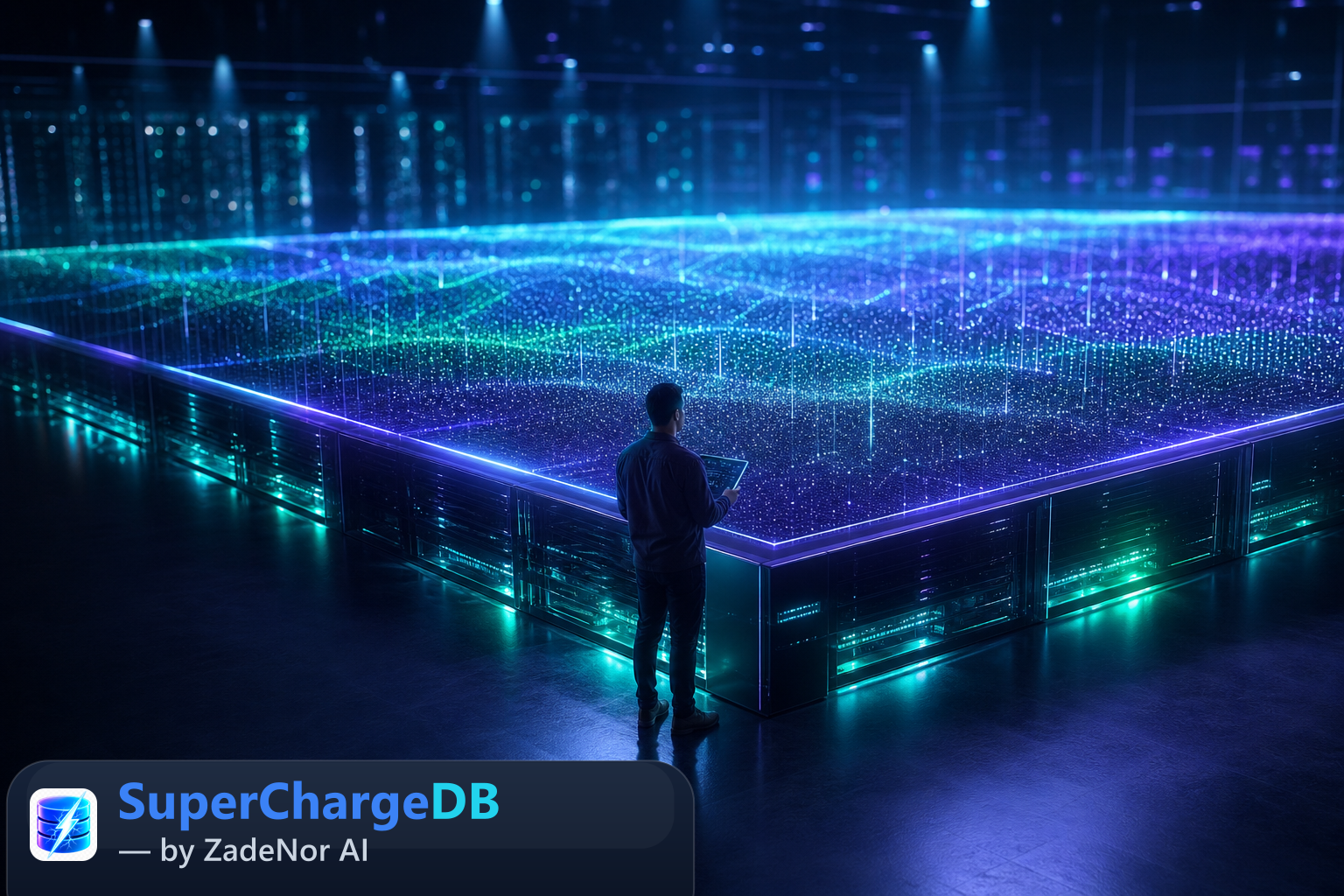
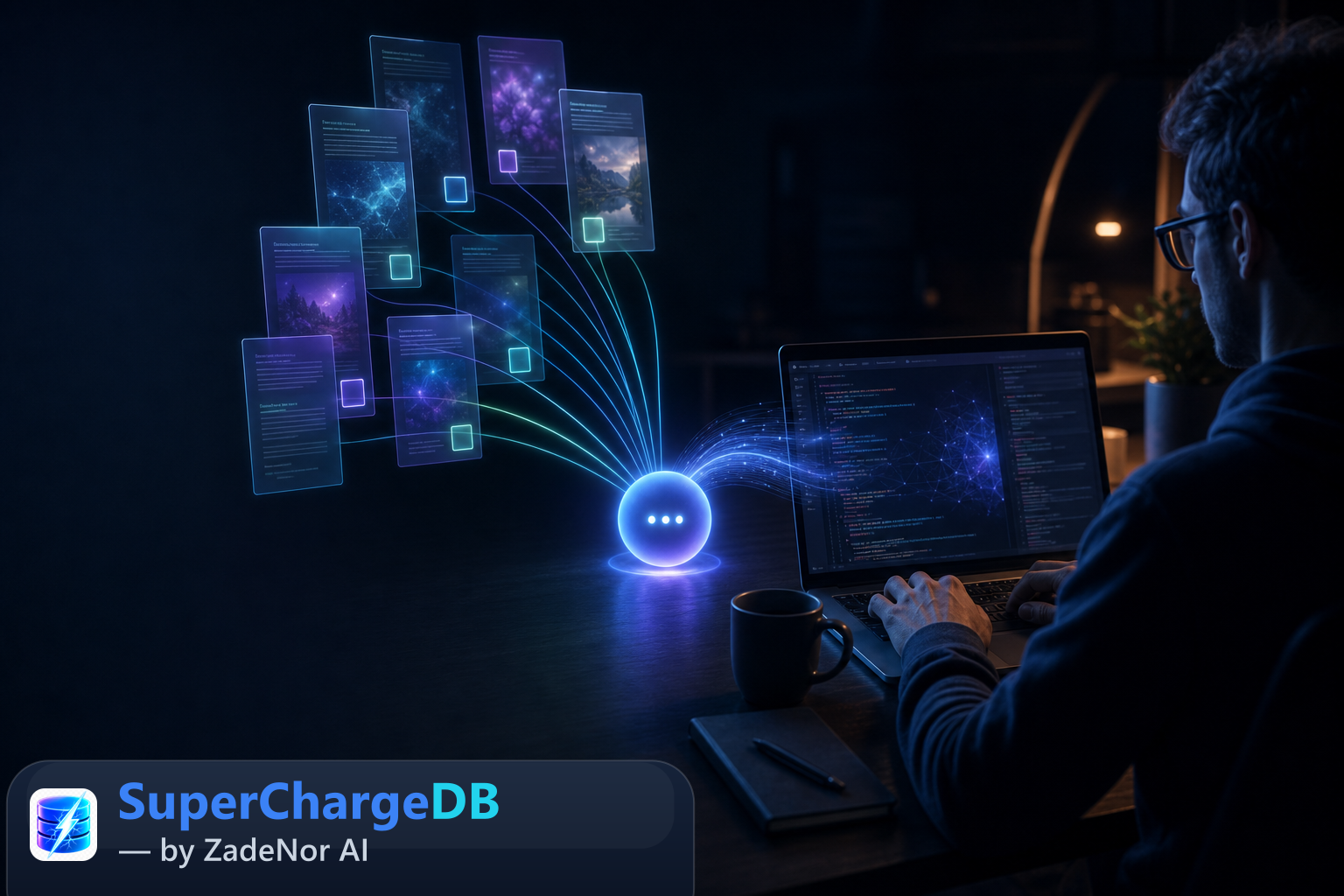
This is where SuperChargeDB comes in — the object-storage-native, multimodal vector + document search engine built by ZadeNor AI. SuperChargeDB tackles this with Predictable usage-based pricing: Cost tracks actual usage on low-cost storage, so scaling to millions of vectors stays affordable and predictable. Since predictable usage-based pricing sits within the Scale & Ops capability set, it fits naturally into how enterprise it teams already build. SuperChargeDB connects automatic embeddings, fast retrieval, and grounded RAG, so the whole search workflow moves as one. Rather than another self-managed cluster, SuperChargeDB puts semantic, hybrid and multimodal search behind one clean API.
What Changes
You get relevant results in milliseconds; your users find what they need and your answers stay grounded. For enterprise it teams, that means a knowledge base that answers questions you can actually rely on. The numbers follow the relevance: fewer failed searches, cleaner RAG answers, and latency you can plan around. The result is a knowledge base that answers questions, without standing up a search team or a fragile pipeline. Teams using this approach see A knowledge base that answers questions during a migration.
Next Steps
From raw data to a grounded answer, SuperChargeDB by ZadeNor AI keeps Enterprise IT Teams retrieval fast, relevant and cited. Launch SuperChargeDB and add semantic search in a few calls.
Over time, paying translates into worse relevance, higher latency, and infrastructure no one wants to own. For leaders, the real risk is strategic: retrieval quality becomes a ceiling on what the product can do. The cost of paying is rarely a single number — it is failed searches, abandoned sessions, and answers no one trusts. Search stops being a maintenance burden and starts being a competitive advantage. For enterprise it teams, that means a knowledge base that answers questions you can actually rely on.
The cost of paying is rarely a single number — it is failed searches, abandoned sessions, and answers no one trusts. Teams end up bolting on workarounds instead of shipping the feature that matters. The result is a knowledge base that answers questions, without standing up a search team or a fragile pipeline. Search stops being a maintenance burden and starts being a competitive advantage.
Teams end up bolting on workarounds instead of shipping the feature that matters. For leaders, the real risk is strategic: retrieval quality becomes a ceiling on what the product can do. You get relevant results in milliseconds; your users find what they need and your answers stay grounded. The numbers follow the relevance: fewer failed searches, cleaner RAG answers, and latency you can plan around.
For leaders, the real risk is strategic: retrieval quality becomes a ceiling on what the product can do. The cost of paying is rarely a single number — it is failed searches, abandoned sessions, and answers no one trusts. The numbers follow the relevance: fewer failed searches, cleaner RAG answers, and latency you can plan around. Teams using this approach see A knowledge base that answers questions during a migration. You get relevant results in milliseconds; your users find what they need and your answers stay grounded.
Teams end up bolting on workarounds instead of shipping the feature that matters. Over time, paying translates into worse relevance, higher latency, and infrastructure no one wants to own. The numbers follow the relevance: fewer failed searches, cleaner RAG answers, and latency you can plan around. The result is a knowledge base that answers questions, without standing up a search team or a fragile pipeline. You get relevant results in milliseconds; your users find what they need and your answers stay grounded.
The cost of paying is rarely a single number — it is failed searches, abandoned sessions, and answers no one trusts. Teams end up bolting on workarounds instead of shipping the feature that matters. Over time, paying translates into worse relevance, higher latency, and infrastructure no one wants to own. The result is a knowledge base that answers questions, without standing up a search team or a fragile pipeline. For enterprise it teams, that means a knowledge base that answers questions you can actually rely on.