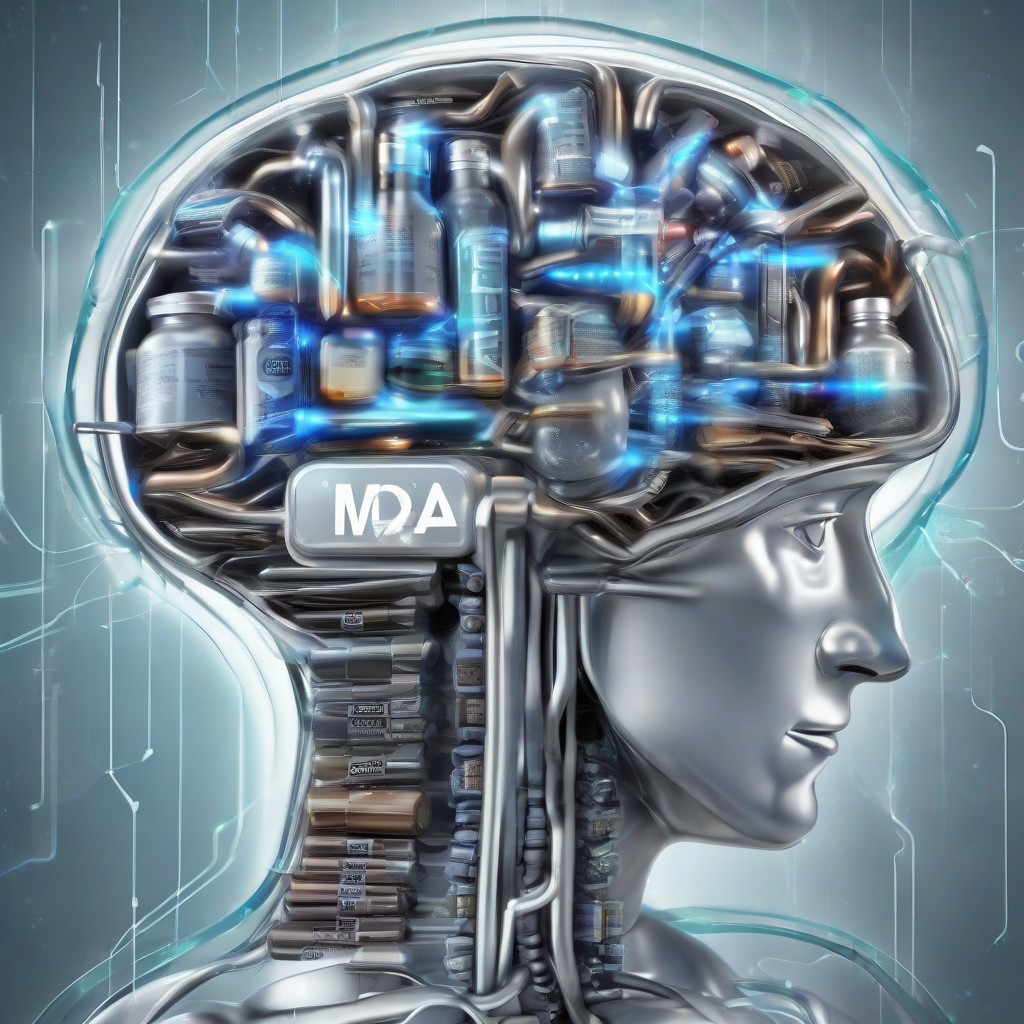
Data Holds the Key in Slowing Age-Related Illnesses
The Future of Medicine: Unlocking the Power of Data to Prevent Age-Related Illnesses
In the not-so-distant future, we will witness a revolution in the field of medicine, one that will change the way we approach healthcare and disease prevention. The convergence of cutting-edge technologies, including artificial intelligence (AI), precision medicine, and the science of aging, will enable us to predict and prevent age-related illnesses with unprecedented accuracy. At the heart of this revolution lies the power of data, which will be harnessed to create personalized forecasts of an individual's risk of developing major age-related diseases, such as cancer, cardiovascular disease, and neurodegenerative disorders.
The Science of Aging: Unlocking the Secrets of Immunosenescence and Inflammaging
The science of aging has made tremendous progress in recent years, revealing the underlying mechanisms that drive the aging process. Immunosenescence, the decline in immune function with age, and inflammaging, the chronic low-grade inflammation that accompanies aging, are two key factors that contribute to the development of age-related diseases. By tracking these processes using body-wide and organ clocks, along with specific protein biomarkers, researchers can determine whether an individual or an organ within a person is aging at an accelerated pace.
The Role of AI in Precision Medical Forecasting
AI algorithms will play a crucial role in precision medical forecasting, enabling us to accurately interpret medical images, such as retinal scans, to predict cardiovascular and neurodegenerative diseases many years in advance. By combining these AI-powered insights with a person's electronic medical records, which include structured and unstructured notes, lab results, scans, genetic results, wearable sensors, and environmental data, we can create a comprehensive picture of an individual's health status. This will enable us to forecast an individual's risk of developing age-related diseases and provide a personalized, aggressive preventive program.
The Potential for Primary Prevention
The potential for primary prevention of age-related diseases is vast, and the science of aging and AI will play a crucial role in making this a reality. By identifying individuals at risk and providing them with personalized preventive programs, we can reduce the incidence of these diseases and improve health outcomes. Lifestyle factors, such as an optimal anti-inflammatory diet, frequent exercise, and regular, high-quality sleep patterns, will be crucial in reducing the risk of age-related diseases. Additionally, medications that promote a healthy, protective immune system and reduce body-wide and brain inflammation will be developed and implemented.
The Future of Medicine: A New Frontier
The potential for precision medical forecasting is a new frontier in medicine, one that will revolutionize the way we approach healthcare and disease prevention. By harnessing the power of data and AI, we can create personalized forecasts of an individual's risk of developing age-related diseases and provide them with targeted preventive programs. This will enable us to prevent the major diseases that compromise our health span and quality of life, and improve health outcomes for individuals and society as a whole.
Conclusion
The future of medicine is bright, and the potential for precision medical forecasting is vast. By combining the science of aging, AI, and precision medicine, we can create a new era of healthcare that is personalized, proactive, and preventive. The implications of this revolution are far-reaching, and the potential for improving health outcomes and reducing the burden of age-related diseases is immense. As we look to the future, we must continue to invest in research and development, and work towards making precision medical forecasting a reality for all.
Source: https://www.wired.com/story/data-holds-the-key-in-slowing-age-related-illnesses/