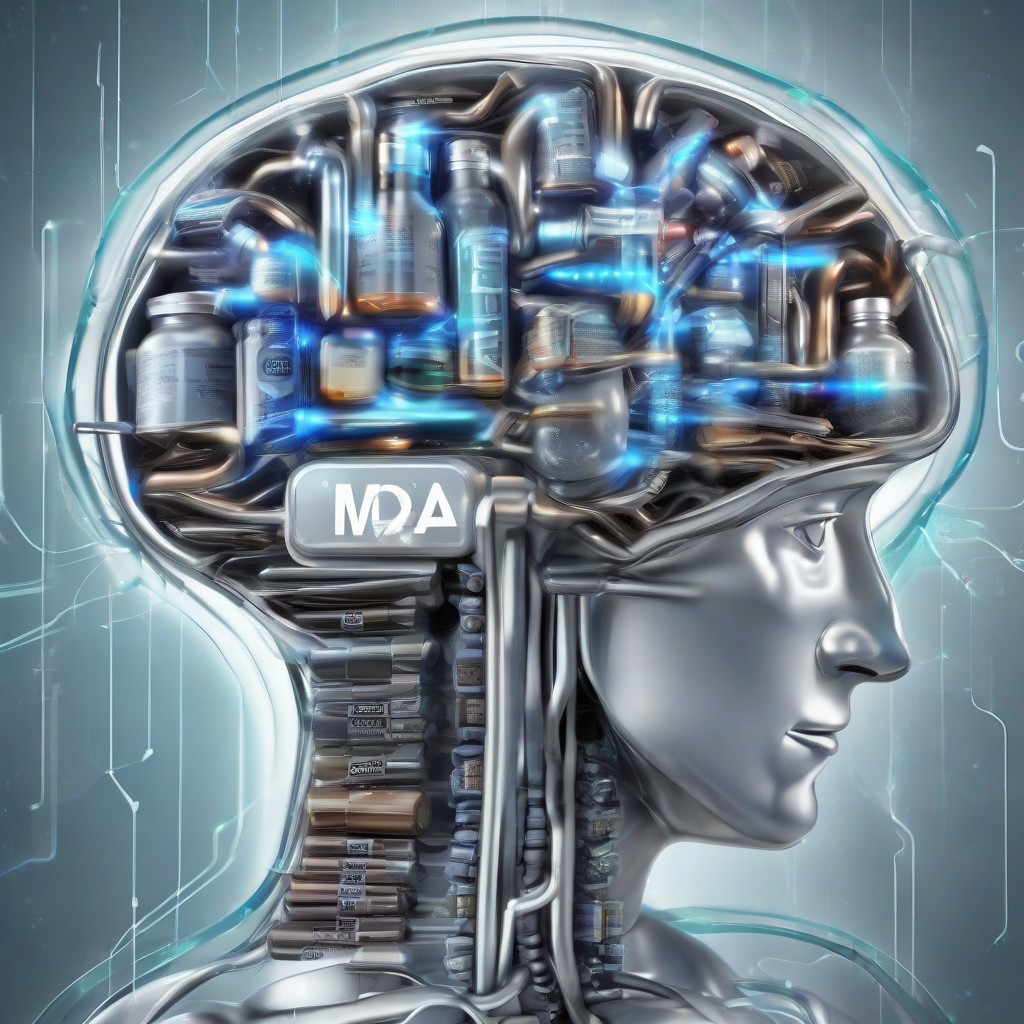
Brain Gear Is the Hot New Wearable
The Rise of Brain Gear: Wearable Neurotech Revolutionizes the Way We Think
Imagine a world where you can control devices with your mind, track your brain activity to boost productivity, or even receive treatment for depression with a wearable headset. Welcome to the future of wearable neurotech, where devices are being designed to read your brain waves and revolutionize the way we think.
From EEG to AI: The Technology Behind Brain Gear
At the heart of wearable neurotech lies electroencephalography (EEG), a technology that detects electrical impulses produced by the brain. EEG sensors are embedded in devices such as headbands, headphones, or even tattoos, which then use artificial intelligence (AI) to analyze the brain wave data and provide insights into a person's mental state.
Boosting Sleep with Elemind
One company, Elemind, has developed a headband that uses EEG to detect brain signals and deliver acoustic stimulation to improve sleep quality. The device, which costs $350, has been shown to help more than three-quarters of users fall asleep faster in a small trial of 21 participants. By tracking brain activity and providing personalized feedback, Elemind aims to help people achieve better sleep and wake up feeling refreshed.
Hacking Productivity with Neurable
Neurable, a Boston-based company, has developed a pair of EEG-enabled headphones that track brain activity associated with concentration. The device, which costs $500, provides users with real-time feedback on their focus levels and recommends breaks to prevent burnout. By using AI to analyze brain wave data, Neurable aims to help people work smarter and achieve more.
Apple Enters the Wearable Neurotech Market
Apple has filed a patent for EEG-sensing AirPods, which could potentially revolutionize the way we interact with devices. The company has also unveiled a new accessibility feature that allows its Vision Pro to be controlled with brain waves instead of physical movement. This integration with brain-computer interfaces (BCIs) could enable users to control devices with their thoughts, opening up new possibilities for gaming, texting, and other applications.
The Open Internet of Brains
Elata Biosciences, a nonprofit organization, is building an open-source network where anyone can create a neuro app that can run on an EEG device. The company has developed its own device and a Pong app, which was demoed at a crypto conference in Singapore. Around 30 people competed in a Pong tournament using their brain signals, demonstrating the potential of wearable neurotech for gaming and other applications.
Flow Neuroscience: Treating Depression with Wearable Neurotech
Flow Neuroscience, a Swedish company, has developed a headset that emits a type of low-intensity electrical current called transcranial direct current stimulation (tDCS) to treat depression. The device, which has been approved by the US FDA, provides behavioral therapy, guidance, and monitoring to help users manage their symptoms. In a clinical trial of 174 people, 45% of participants who received Flow's device experienced a remission in symptoms at 10 weeks compared to 22% of those in a control group.
The Future of Wearable Neurotech
As wearable neurotech continues to evolve, we can expect to see more devices that can read brain waves and provide insights into a person's mental state. These devices will have the potential to revolutionize the way we think, interact with devices, and even treat mental health conditions. However, as Nita Farahany, a professor of law and philosophy at Duke University, notes, "The brain is the last frontier of privacy." As we move forward with wearable neurotech, we must ensure that the data collected from these devices is stored and protected securely.
Practical Implications
The implications of wearable neurotech are far-reaching and multifaceted. On one hand, these devices have the potential to revolutionize the way we think and interact with devices. On the other hand, they raise important questions about data privacy and security. As we move forward with wearable neurotech, we must ensure that these devices are designed with the user's best interests in mind and that the data collected from them is stored and protected securely.
Forward-Looking Thoughts
As wearable neurotech continues to evolve, we can expect to see more devices that can read brain waves and provide insights into a person's mental state. These devices will have the potential to revolutionize the way we think, interact with devices, and even treat mental health conditions. However, as we move forward with wearable neurotech, we must ensure that the data collected from these devices is stored and protected securely. The future of wearable neurotech is bright, but it is also fraught with challenges. As we navigate this new frontier, we must prioritize the user's best interests and ensure that these devices are designed with the utmost care and consideration.
Source: https://www.wired.com/story/expired-tired-wired-wearables/