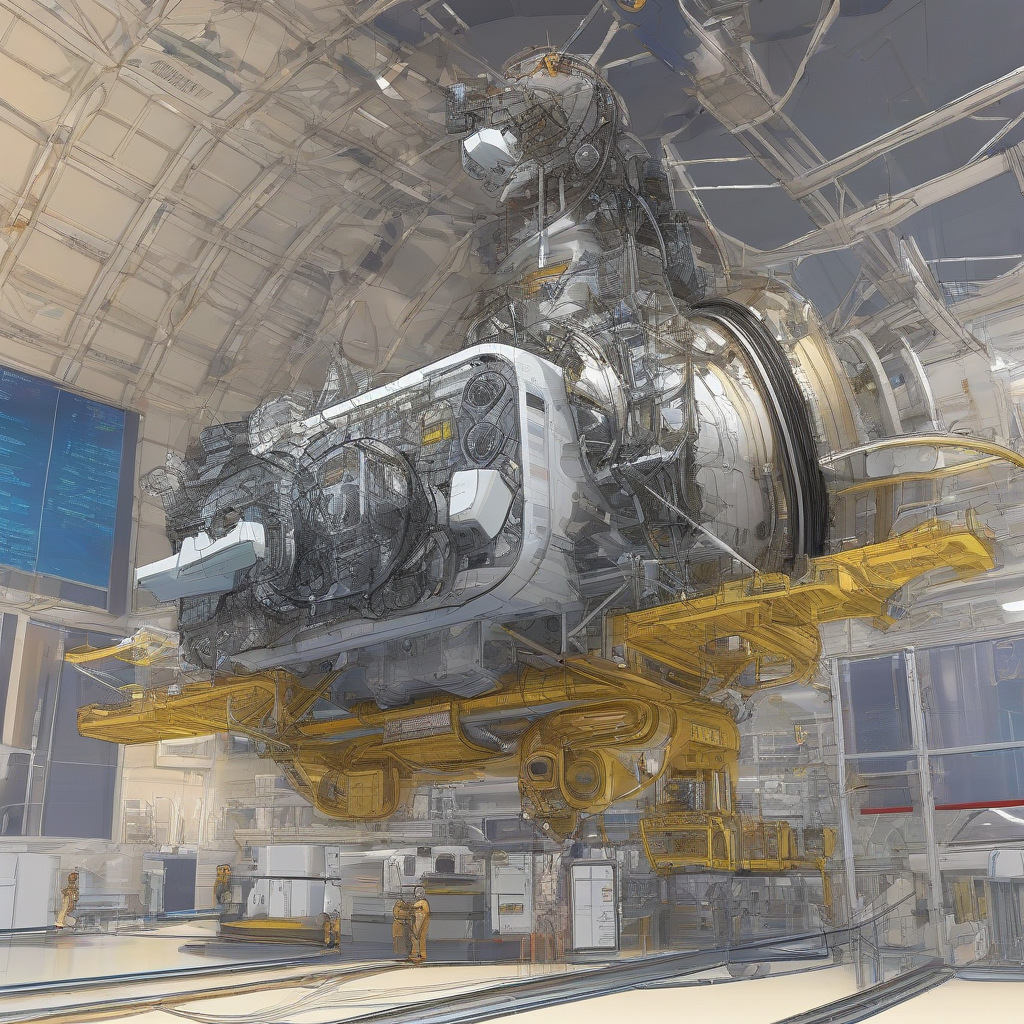
Artemis II Recovery Training
Artemis II Recovery Training: A Critical Component of NASA's Ambitious Mission
As NASA's Artemis program continues to push the boundaries of space exploration, a crucial aspect of the mission is often overlooked: recovery. The Artemis II mission, set to send the first crewed spacecraft to the Moon since the Apollo era, requires a sophisticated recovery system to safely retrieve the crew and Orion spacecraft upon their return to Earth. To ensure a seamless and successful recovery, NASA's Landing and Recovery team and the Department of War are conducting a final simulation of their activities, known as a just-in-time training, off the coast of California.
The Importance of Recovery Training
Recovery training is a critical component of any space mission, as it ensures the safe return of the crew and spacecraft. In the case of Artemis II, the recovery team will face unique challenges, including the Orion spacecraft's high-speed splashdown in the Pacific Ocean. The Crew Module Test Article (CMTA), a full-scale mockup of the Orion spacecraft, will be used to simulate the conditions the recovery team can expect to encounter.
The Crew Module Test Article: A Key Component of Recovery Training
The CMTA is a critical tool in the recovery training process. This full-scale mockup of the Orion spacecraft is designed to mimic the real thing, allowing the recovery team to practice their procedures in a realistic environment. The CMTA is equipped with all the necessary systems and features of the actual Orion spacecraft, including the crew compartment, life support systems, and communication equipment.
The Recovery Team: A Collaborative Effort
The recovery team is a collaborative effort between NASA's Landing and Recovery team and the Department of War. This partnership is essential to ensuring a successful recovery, as it brings together the expertise and resources of both organizations. The recovery team will be responsible for retrieving the Orion spacecraft and crew from the Pacific Ocean, where they will have splashed down at high speed.
The Recovery Process: A Complex and Challenging Task
The recovery process is a complex and challenging task that requires careful planning and execution. The recovery team will need to navigate the recovery ship to the splashdown site, where they will deploy a recovery basket to retrieve the Orion spacecraft. Once the spacecraft is secure, the recovery team will transfer the crew to the recovery ship, where they will receive medical attention and begin their journey back to shore.
The Implications of Artemis II Recovery Training
The Artemis II recovery training has significant implications for the future of space exploration. As NASA continues to push the boundaries of space travel, the need for sophisticated recovery systems will only increase. The success of the Artemis II recovery training will set the stage for future missions, including the Artemis III mission, which will send the first woman and the first person of color to the Moon.
Forward-Looking Thoughts
The Artemis II recovery training is a critical component of NASA's ambitious mission to return humans to the Moon. As the recovery team continues to prepare for the challenges ahead, it is clear that the success of this mission will have far-reaching implications for the future of space exploration. With the Artemis II mission, NASA is not only pushing the boundaries of space travel but also paving the way for a new era of space exploration and discovery.
Conclusion
The Artemis II recovery training is a critical component of NASA's ambitious mission to return humans to the Moon. The success of this mission will have far-reaching implications for the future of space exploration, and the recovery team's hard work and dedication will be essential to ensuring a safe and successful recovery. As the Artemis II mission continues to push the boundaries of space travel, it is clear that the recovery team's expertise and resources will be crucial to the success of future missions.
Source: https://www.nasa.gov/image-article/artemis-ii-recovery-training/