The Capability in Focus
For fashion design studios & ateliers, the moment a shopper imagines a piece on their own body is the moment a sale is won or lost. Fit and confidence have quietly become the biggest swing factors in fashion design studios & ateliers. Expectations in Fashion Design Studios & Ateliers have shifted, and the tools brands use to show their pieces have to keep up. In Fashion Design Studios & Ateliers, the product page has to do what a fitting room once did — and flat photos rarely manage it. The way a fashion design studios & ateliers brand lets people picture a garment on themselves says a lot about how it converts.
The Reason
Left unaddressed, generic recommendations that ignore the body in front of them compounds: confidence drops, returns rise, and the catalog feels flat. It rarely starts as a crisis; generic recommendations that ignore the body in front of them builds quietly until a returns report or a soft launch makes it impossible to ignore. When generic recommendations that ignore the body in front of them sets in, shoppers hesitate, baskets stall, and returns climb. A recurring challenge for fashion design studios & ateliers is generic recommendations that ignore the body in front of them. For a Lead, Customer Experience, generic recommendations that ignore the body in front of them is more than an annoyance — it is a steady drag on conversion and margin.
The Detail
Since expressive 3D avatar try-on sits within the Live Try-On part of Mirari, it fits naturally into how fashion design studios & ateliers teams already work. Mirari pairs a believable try-on with a design studio, so the same tool that shoppers try on in is the one your team designs in. This is where Mirari comes in — the AI-powered virtual try-on and garment-design app built by ZadeNor AI. Mirari tackles this with Expressive 3D avatar try-on: A rigged 3D avatar mirrors the shopper’s pose, 52 ARKit face blendshapes and hand articulation, with flowy spring-bone cloth motion.
How It Runs
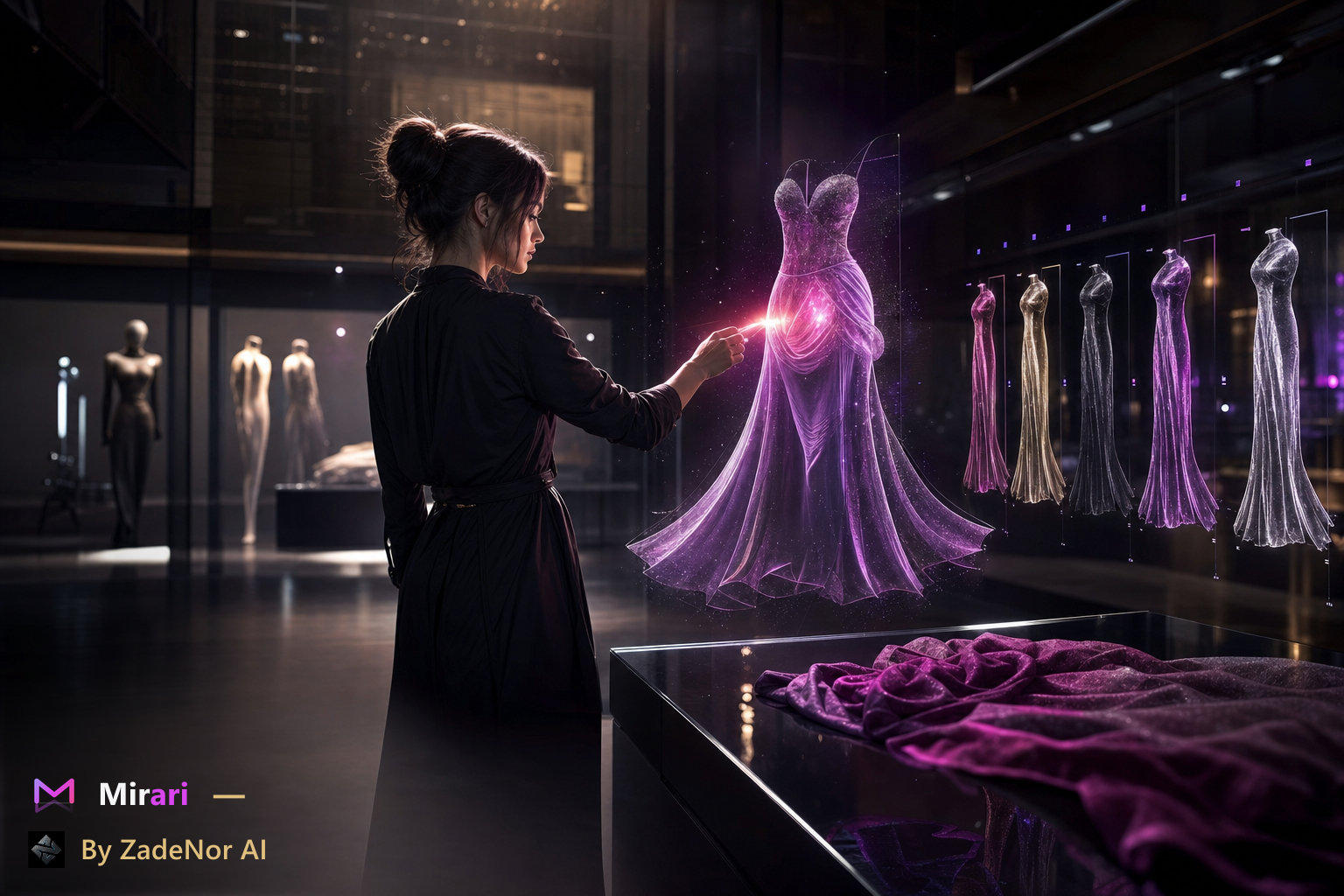
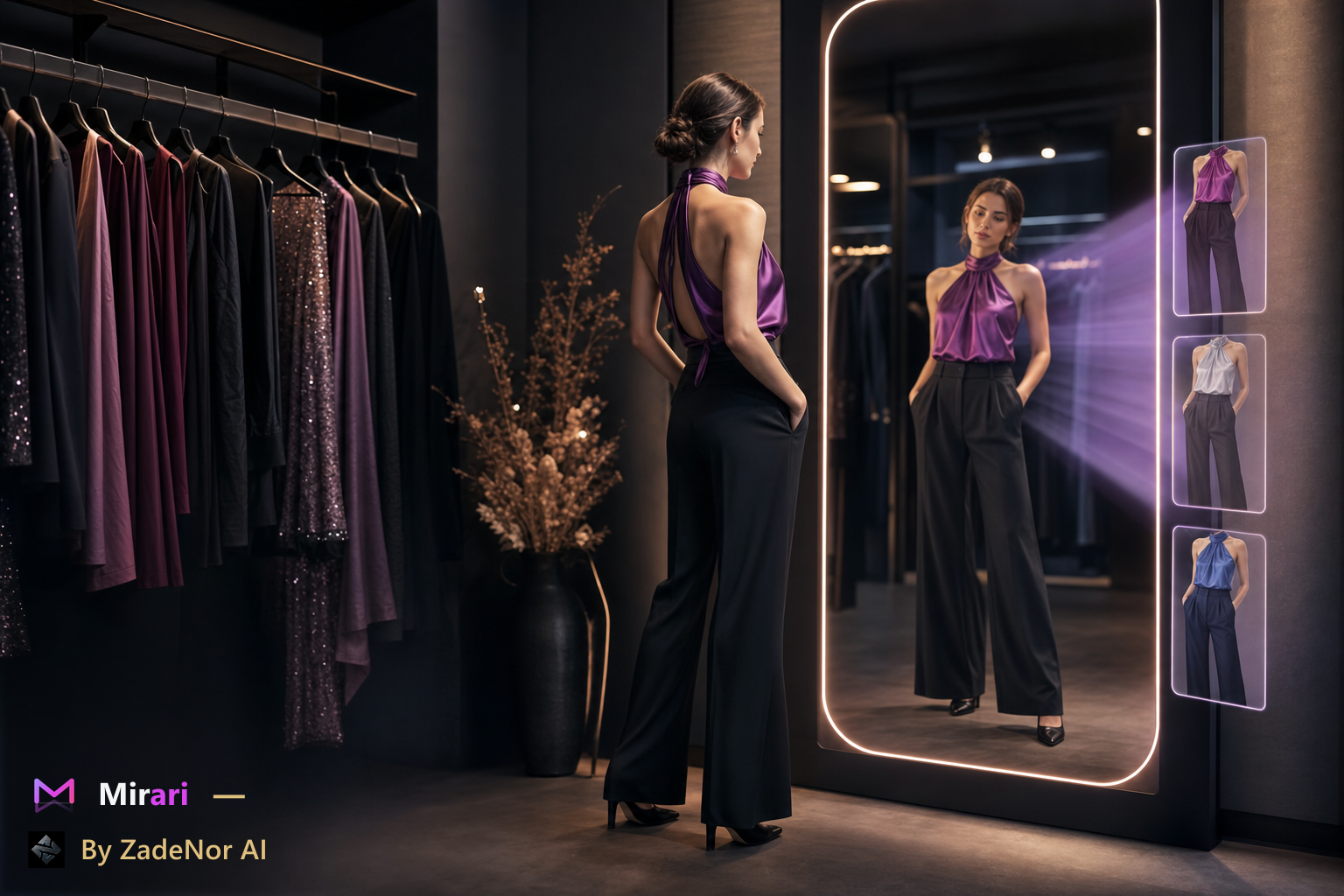
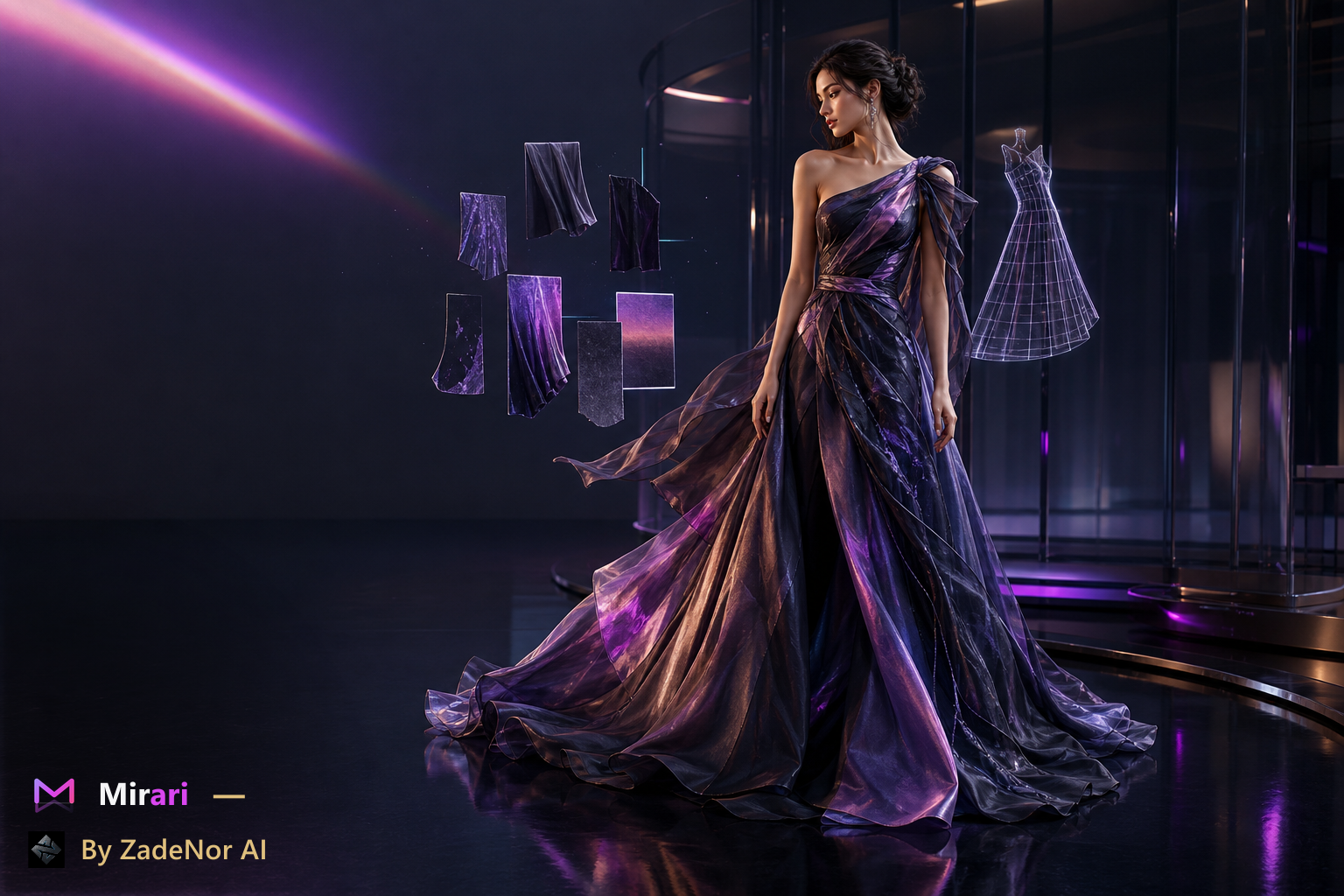
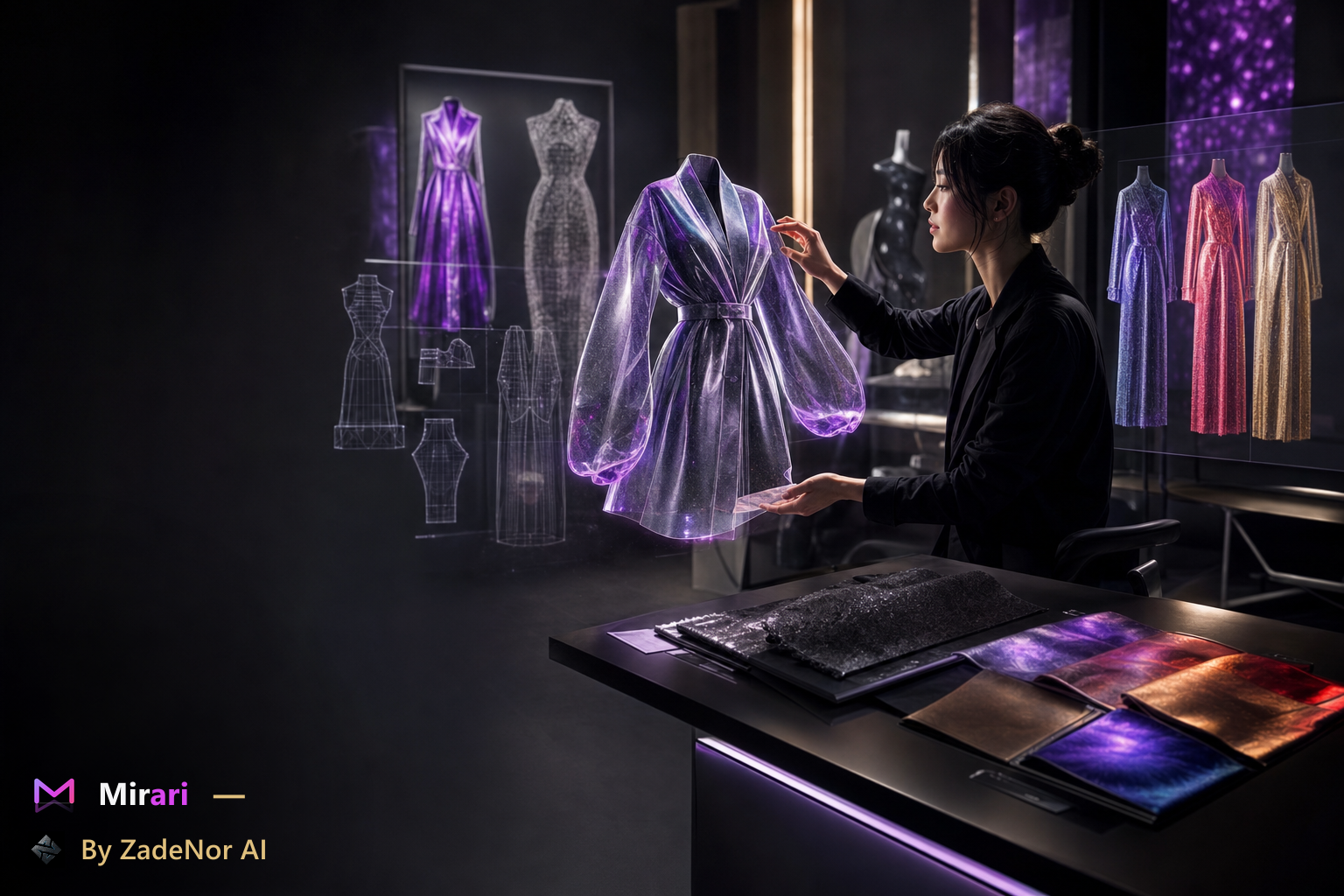
On the product page, the shopper opens their camera and sees the piece on their own body, anchored to their pose in real time. Prefer an avatar? A rigged 3D model mirrors pose, face and hands, with flowy spring-bone cloth motion. In the studio, recolor, swap fabric, place a print or switch colorways — then push the result straight to the catalog. A segmentation pass lets their real arms, hands and hair render in front of the garment, so it reads like a mirror, not a sticker.
The Impact
Try-on stops being a gimmick and starts being a default on every product page. Shoppers get a believable look at the fit; the brand gets fewer returns and more confident checkouts. For fashion design studios & ateliers, that means fewer size-and-fit returns the whole team can rely on. The numbers follow the confidence: higher add-to-cart, fewer bracketed orders, and drops that land.
Where to Begin
See how Mirari — the AI-powered virtual try-on & garment-design app by ZadeNor AI — lets shoppers see your pieces on their own body, live, and lets your team recolor and design in the same tool. Try it free, no render farm required.
Teams end up reshooting and discounting instead of merchandising with confidence. The cost of generic recommendations that ignore the body in front of them is rarely a single number — it is lost conversion, return shipping, and a catalog that underperforms. For leaders, the real risk is strategic: a try-on gap becomes a ceiling on how far the brand can scale online. The result is fewer size-and-fit returns, without a render farm or a per-session GPU bill. Brands using this approach see Fewer size-and-fit returns for made-to-order work. The numbers follow the confidence: higher add-to-cart, fewer bracketed orders, and drops that land.
Over time, generic recommendations that ignore the body in front of them translates into bracketed orders, costly reverse logistics, and drops that never find their audience. The cost of generic recommendations that ignore the body in front of them is rarely a single number — it is lost conversion, return shipping, and a catalog that underperforms. Every shopper who cannot picture the fit is a basket left half-built. Try-on stops being a gimmick and starts being a default on every product page. The numbers follow the confidence: higher add-to-cart, fewer bracketed orders, and drops that land. For fashion design studios & ateliers, that means fewer size-and-fit returns the whole team can rely on.
Every shopper who cannot picture the fit is a basket left half-built. Teams end up reshooting and discounting instead of merchandising with confidence. The cost of generic recommendations that ignore the body in front of them is rarely a single number — it is lost conversion, return shipping, and a catalog that underperforms. Shoppers get a believable look at the fit; the brand gets fewer returns and more confident checkouts. For fashion design studios & ateliers, that means fewer size-and-fit returns the whole team can rely on.
What looks like a product-page problem is often a fit, confidence and returns problem in disguise. Over time, generic recommendations that ignore the body in front of them translates into bracketed orders, costly reverse logistics, and drops that never find their audience. Brands using this approach see Fewer size-and-fit returns for made-to-order work. Shoppers get a believable look at the fit; the brand gets fewer returns and more confident checkouts.