The Scenario
For ml engineering teams, the difference between shipping calmly and firefighting often comes down to how many agents you can run at once and how safely you can merge their work. In modern development, the pressure is constant: move fast, keep the main branch green, and let AI agents help without stepping on each other. The way you orchestrate parallel work says a lot about how confidently you can scale AI-assisted development. Most ml engineering teams know the feeling: one agent runs, everyone else waits, and merges turn into a scramble.
The Problem
A recurring challenge for ml engineering teams is scaling from one agent to a whole fleet feels impossible. When scaling from one agent to a whole fleet feels impossible sets in, the day tightens and the risk of a broken build or lost work grows. It rarely starts as a crisis; scaling from one agent to a whole fleet feels impossible builds quietly until a big merge makes it impossible to ignore. Left unaddressed, scaling from one agent to a whole fleet feels impossible compounds: work stalls, conflicts pile up, and confidence in AI agents erodes.
How MergeHarbor Handles It
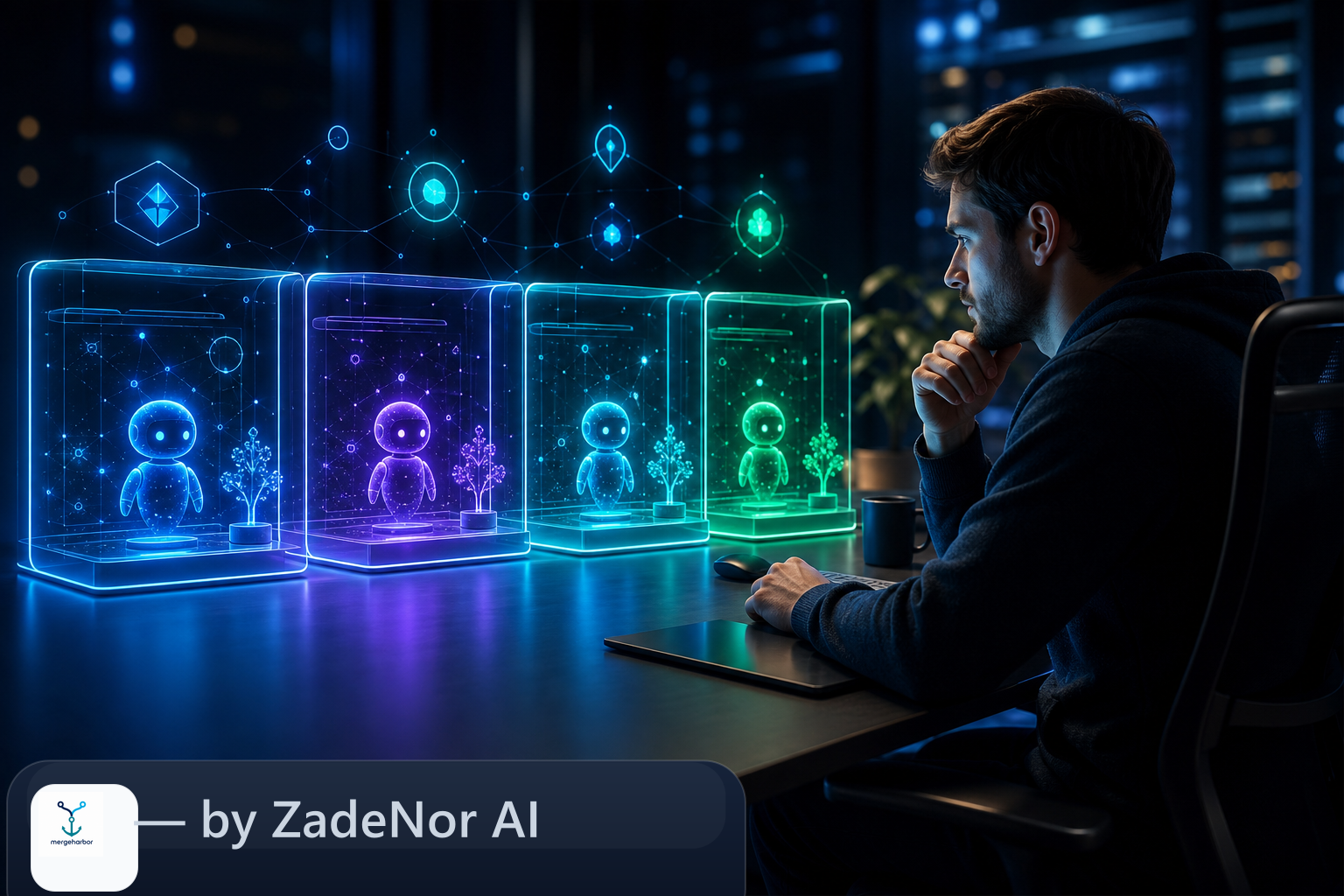
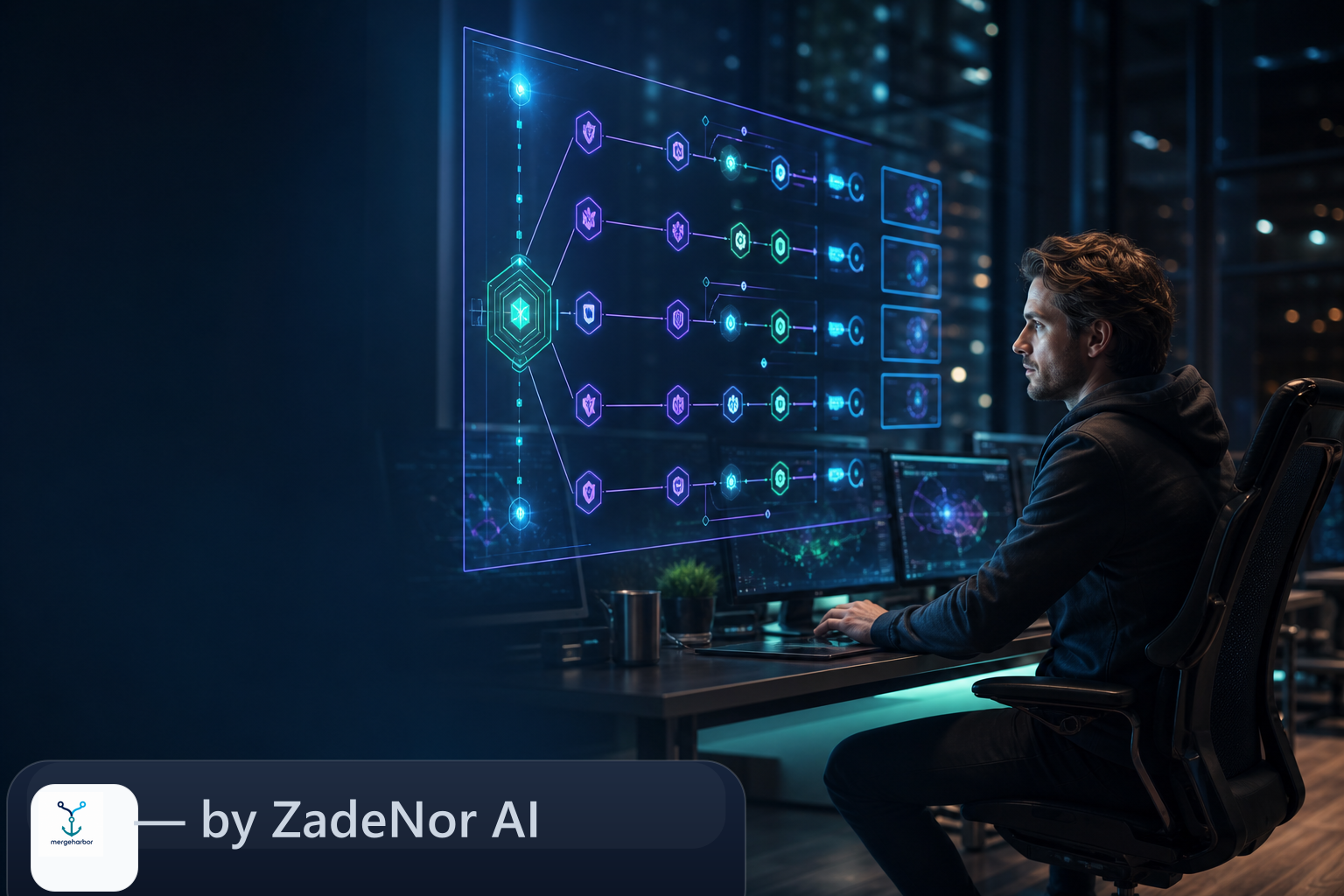
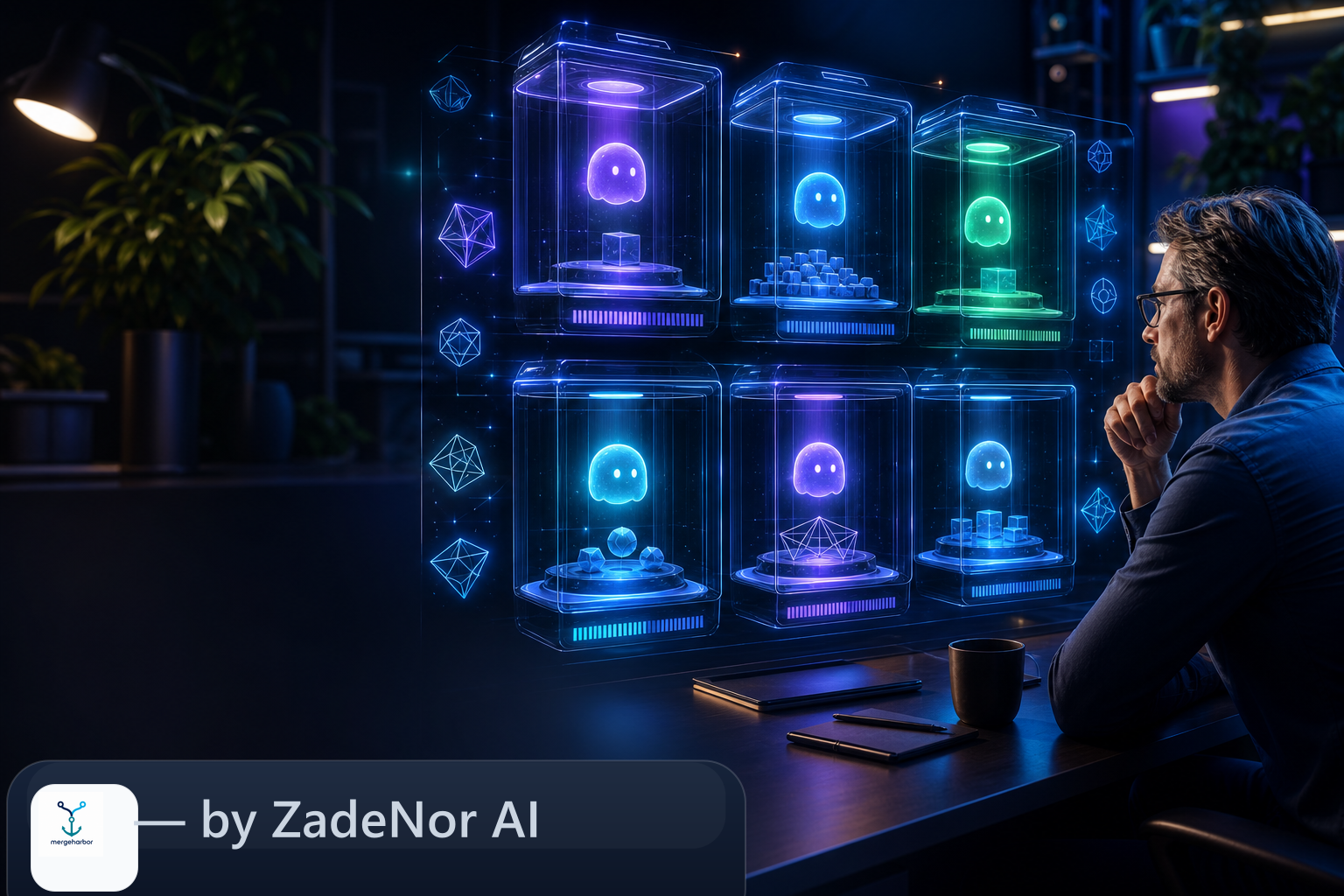
Rather than one agent in one shared tree, MergeHarbor runs many agents in parallel, each isolated in its own git worktree. MergeHarbor tackles this with Task queue & scheduling: Queue, prioritize and sequence agent tasks so the orchestrator decides what runs when, keeping throughput high without manual babysitting. Because every task is isolated and merged back safely, you work from a clean, coordinated flow instead of a tangled working directory.
How It Works
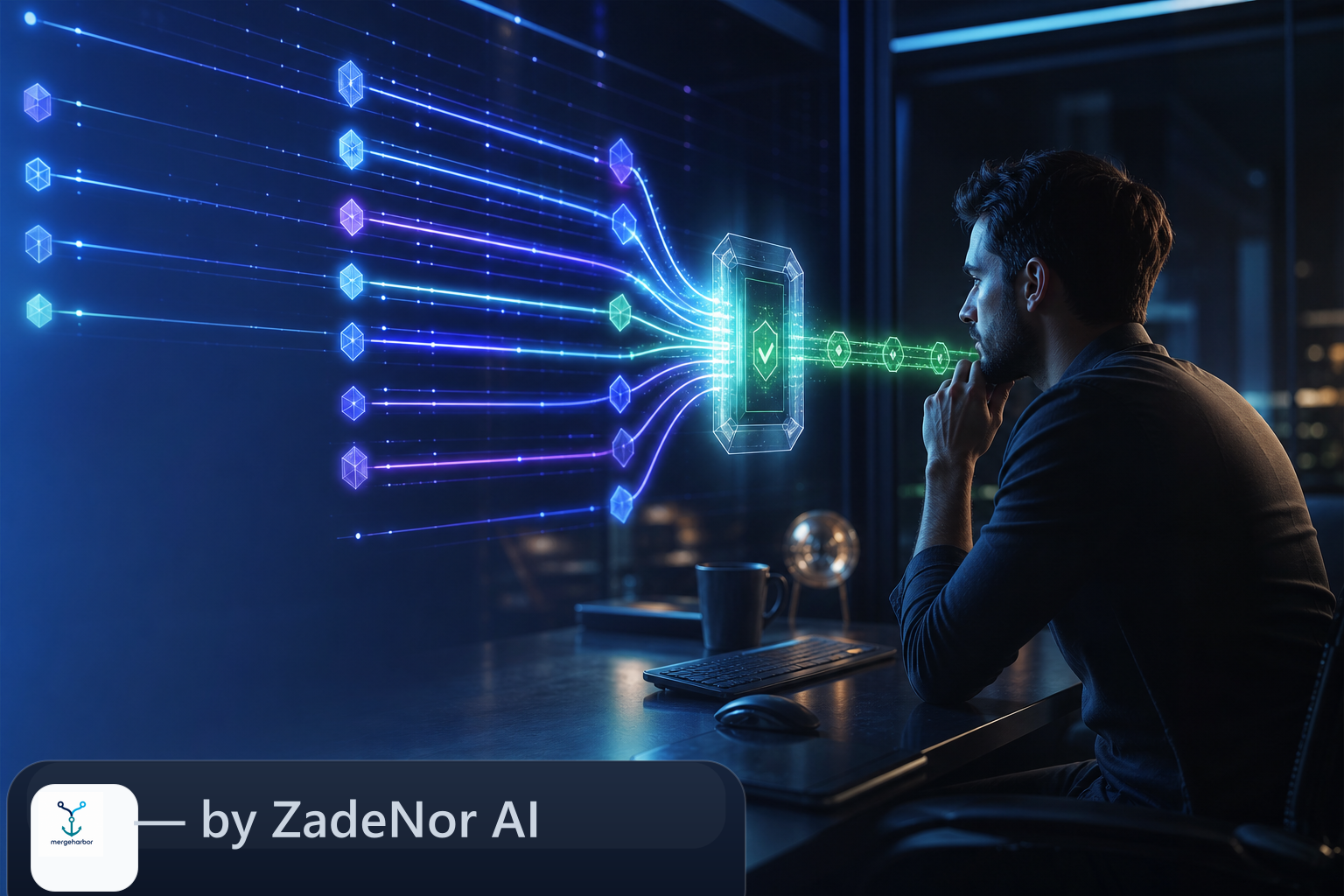
While agents work, MergeHarbor watches for overlapping edits and flags conflicts early — long before the final merge. When tasks complete, a safe, serialized merge queue lands them one at a time, rechecking for conflicts so the main branch stays green. Getting started is straightforward: point MergeHarbor at your repo and it spins up an isolated git worktree per task, so agents never share a working tree. Each agent runs in full runtime isolation with its own dependencies and build state, so one task can never corrupt another. You can drive the whole fleet from the CLI (mergeharbor, or mh), or let any MCP-compatible AI tool orchestrate it through the built-in MCP server.
The Outcome
Teams using this approach see Confident, reviewable agent output for maintained libraries. Coordination stops being a daily scramble and starts being a competitive advantage. For ml engineering teams, that means confident, reviewable agent output you can actually rely on. The result is confident, reviewable agent output, without trading away isolation or safety. The numbers follow the rigour: more work shipped in parallel, fewer late conflicts, and a main branch you can trust.
Try It Yourself
See it for yourself: MergeHarbor by ZadeNor AI fans work out across many agents, isolates every task, and lands it back through a safe, serialized merge. Open source (BSD-3-Clause) — clone it today.
For leaders, the real risk is strategic: coordination drag becomes a ceiling on how much AI-assisted work the team can take on. Every minute lost to scaling from one agent to a whole fleet feels impossible is a minute not spent on the change that actually matters. The cost of scaling from one agent to a whole fleet feels impossible is rarely a single number — it is stalled work, late conflicts, and avoidable rework. Coordination stops being a daily scramble and starts being a competitive advantage. Teams using this approach see Confident, reviewable agent output for maintained libraries.
Teams end up serializing everything by hand instead of running agents in parallel with confidence. For leaders, the real risk is strategic: coordination drag becomes a ceiling on how much AI-assisted work the team can take on. For ml engineering teams, that means confident, reviewable agent output you can actually rely on. Coordination stops being a daily scramble and starts being a competitive advantage.
What looks like a tooling problem is often an isolation and merge problem in disguise. Teams end up serializing everything by hand instead of running agents in parallel with confidence. You get a calm, orchestrated flow; your throughput goes up and your merges stay clean. The result is confident, reviewable agent output, without trading away isolation or safety. Teams using this approach see Confident, reviewable agent output for maintained libraries.
Over time, scaling from one agent to a whole fleet feels impossible translates into slower cycles, hidden regressions, and throughput no one wants to give away. Every minute lost to scaling from one agent to a whole fleet feels impossible is a minute not spent on the change that actually matters. Teams end up serializing everything by hand instead of running agents in parallel with confidence. Teams using this approach see Confident, reviewable agent output for maintained libraries. Coordination stops being a daily scramble and starts being a competitive advantage. The result is confident, reviewable agent output, without trading away isolation or safety.
Over time, scaling from one agent to a whole fleet feels impossible translates into slower cycles, hidden regressions, and throughput no one wants to give away. What looks like a tooling problem is often an isolation and merge problem in disguise. Teams end up serializing everything by hand instead of running agents in parallel with confidence. You get a calm, orchestrated flow; your throughput goes up and your merges stay clean. Coordination stops being a daily scramble and starts being a competitive advantage.